
Month: August 2023

  • Exploring the Different Types of Mental Health Problems

    Exploring the Different Types of Mental Health Problems

    Mental health problems affect millions of people worldwide, yet they remain one of the most misunderstood and stigmatized conditions. From anxiety to sex addiction, bipolar disorder to schizophrenia, mental illnesses can take many forms.

    Mental illnesses can present themselves in various forms, impacting individuals across their personal, social, and professional domains. For example, consider sex addiction; individuals grappling with this condition may find their heightened libido not only distracts them during work or responsibilities but also has adverse effects on those in their immediate surroundings. This is particularly significant for the partners of sex addicts, who often grapple with a multitude of emotions including guilt, shame, confusion, betrayal, and anger. Additionally, they may experience feelings of loss and abandonment, which can potentially lead to depression and other mental health challenges.

    Given the wide range of symptoms and underlying causes of mental health issues, it’s crucial to have a grasp of the various types of these disorders. In this blog post, we’ll delve into some of the most prevalent mental health conditions, offering valuable insights into their effective management and treatment. So, without further ado, let’s get started!

    Anxiety Disorders

    Anxiety disorders are the most common type of mental health problem. They can cause a range of symptoms, including feeling anxious, stressed, or scared, and can make everyday activities feel difficult.

    There are different types of anxiety disorder, including Generalized Anxiety Disorder (GAD), Panic Disorder, Social Anxiety Disorder (SAD), and specific phobias. Symptoms can vary from mild to severe and can be short-lived or long-lasting.

    If you experience anxiety, you could do a couple of things to manage it better. First, you could try out breathing techniques that shift your focus to abdominal breathing movements, which can allow you to experience some tranquillity in your mind. Then, you could also avail certain marijuana strains from a cannabis dispensary Emeryville or an e-store to consume when the anxiety sinks in. These two methods should ideally help you decompress and bring yourself back to normalcy.

    However, if your anxiety reaches severe levels, it’s important to see your GP for diagnosis and treatment. There are a number of effective treatments available, including talking therapies and medication. Plus, with the option to consult with a recovery coach specialist, such as those available at goal coach, who can help you bring together all the support you need and track progress towards your recovery goals, you can make significant strides in your mental health journey. With the right support, most people with an anxiety disorder can manage their symptoms and lead a full and fulfilling life.

    Mood Disorders

    Mood disorders are mental health conditions that involve a change in mood. The most common types of mood disorders are depression and bipolar disorder.

    Depression is a mental health condition that is characterized by a persistent feeling of sadness or emptiness. People with depression may also experience other symptoms, such as fatigue, insomnia, or difficulty concentrating. Depression can interfere with a person’s ability to work, study, eat, and sleep.

    Extreme mood swings are a hallmark of the mental condition known as bipolar disorder. Bipolar disorder patients may experience mood swings from being extremely happy or ecstatic to being extremely sad or depressed. Bipolar disorder can interfere with a person’s ability to function in day-to-day life.

    Personality Disorders

    There are a variety of different personality disorders that can affect individuals. These disorders can range from mild to severe and can impact an individual’s ability to function in society. Some of the more common types of personality disorders include:

    • Borderline Personality Disorder: Individuals with this disorder often have difficulty regulating their emotions. They may experience intense mood swings and may engage in impulsive or risky behaviors.
    • Narcissistic Personality Disorder: Individuals with this disorder exhibit an inflated sense of self-importance, and require excessive admiration from others. They may be preoccupied with success, power, and beauty.
    • Antisocial Personality Disorder: Individuals with this disorder often disregard the rights of others, and may engage in criminal or manipulative behavior. They may be callous and unemotional, and often have a history of substance abuse.

    Eating Disorders

    Eating disorders are a type of mental health problem where someone has an unhealthy relationship with food. This can involve overeating or undereating and can be a way of coping with other problems in their life. Eating disorders can lead to serious health problems, both physically and mentally. If you think you might have an eating disorder, it’s important to get help from a doctor or therapist.

    Trauma and Stressor-Related Disorders

    Trauma and stressor-related disorders are a group of mental disorders that are characterized by symptoms that occur after exposure to a traumatic or stressful event. These disorders can include posttraumatic stress disorder (PTSD), acute stress disorder, and adjustment disorder.

    Symptoms of trauma and stressor-related disorders can include flashbacks, nightmares, anxiety, depression, irritability, and difficulty concentrating. These symptoms can interfere with a person’s ability to function at work or school and can cause problems in relationships.

    Trauma and stressor-related disorders are treatable with psychotherapy, medication, and support from family and friends. If you or someone you know is experiencing symptoms of a trauma or stressor-related disorder, please seek professional help.

    Understand Mental Illnesses to Get the Help You Need

    Mental health issues are incredibly common, yet often misunderstood or ignored. We hope that this article has been informative in helping you better understand the different types of mental health problems and how to recognize signs when it may be time to seek help from a professional.

    While there is still much we don’t know about these conditions, it is important to remember that they can affect anyone and should not be taken lightly. With the right support, resources, and help from those around us, we can learn more about mental health issues and work towards creating a healthier society for everyone.
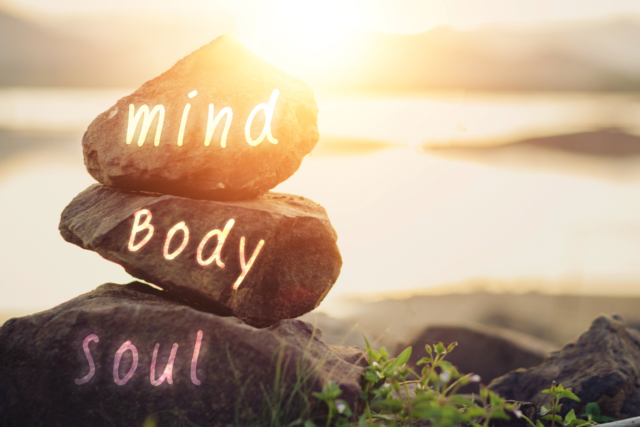
  • The Connection Between Mind & Body Health: Tips for Achieving Balance

    The Connection Between Mind & Body Health: Tips for Achieving Balance

    Are you feeling tired, stressed, or overwhelmed? It’s time to pay attention to the connection between your mind and body health. Achieving balance is essential for leading a healthy and happy life. In this blog post, we’ll share tips that will help you achieve harmony between your physical and mental well-being. You’ll learn how simple lifestyle changes can have a significant impact on your overall health, mood, and energy levels. So let’s dive in!

    The Connection Between Mind and Body Health

    It is widely accepted that there is a connection between mind and body health. This connection has been studied extensively and shown to have a significant impact on overall health and well-being. The mind-body connection is complex, but there are a few key points that are important to understand.

    First, the mind and body are interconnected and influence each other. This means that our thoughts, emotions, and behaviors can affect our physical health and vice versa. For example, chronic stress can lead to physical health problems like high blood pressure and heart disease. Conversely, physical issues can lead to mental health problems like anxiety and depression. So, you ought to address the issues you’re dealing with. If it is something like fatigue, you could allow yourself a full body massage from a reputed massage therapist in your area. Regular massages can lower stress levels and release tension from your muscles. However, if it is something more elaborate, like an illness, you ought to have it assessed by a medical professional.

    Second, mind-body interventions (MBIs) are effective ways to promote mind-body balance. MBIs are activities or techniques that help us become more aware of the mind-body connection and learn how to control it. Some examples of MBIs include yoga, meditation, Tai Chi, and Qigong.

    Third, achieving a balance between mind and body requires effort and commitment. It’s not something that will happen overnight – it takes time, patience, and practice. But it’s worth it! Achieving balance leads to improved physical health, mental well-being, and overall quality of life.

    What Factors Impact Mind and Body Health?

    There are many factors that can impact mind and body health. Some of these factors include diet, exercise, sleep, stress, and environment. By making healthy choices in these areas, you can help to improve your overall mind and body health.

    1. Diet: Eating a healthy diet is important for both your physical and mental health. Make sure to eat plenty of fruits, vegetables, whole grains, and lean protein. Avoid processed foods, sugary drinks, and excessive amounts of caffeine or alcohol. Unlike a nutrient-rich diet, bad eating can not only cause you weight gain and cardiovascular issues, but can also hinger your body’s function over time.
    2. Exercise: Exercise is not only good for your physical health but also your mental health. It can help to reduce stress levels, improve sleep quality, and boost mood. Aim for at least 30 minutes of moderate-intensity exercise most days of the week.
    3. Sleep: Getting enough sleep is crucial for both your physical and mental health. A lack of sleep hygiene can hinder your cognitive function, reduce your energy levels, and affect your mood too. Most adults need 7-8 hours of sleep per night. If you have trouble sleeping, try to establish a regular sleep schedule and create a relaxing bedtime routine. You could also take up some prescribed sleep supplements like melatonin gummies, which could help you fall asleep quicker and better.
    4. Stress: Too much stress can take a toll on your mind and body health. Try to find ways to manage stress through methods such as yoga, meditation, or journaling. Also, allow your mind and body some relaxation, perhaps with the help of alternative options such as cannabis. You could avail certain potent strains for relaxation at a dispensary near you, or opt for an Oakland weed delivery, if that’s where you live. Regardless of the approach you take, you should ensure that it is a method that suits you, so that it is a more seamless release of stress.
    5. Environment: The environment you live in can also impact your mind and body health. Make sure you live in a safe and clean home environment. Spend time outside in nature whenever possible.

    How to Achieve Balance Between Mind and Body Health

    What we think, feel, and believe can directly impact our physical health. Likewise, the state of our physical health can influence our mental and emotional well-being. This is why it is so important to find a balance between mind and body health.

    There are a number of ways to achieve a balance between mind and body health. One of the most important things you can do is to pay attention to your thoughts, feelings, and beliefs. If you find yourself constantly worrying or feeling down, take some time to focus on positive thinking and self-care.

    Mental and emotional issues stemming from stress and anxiety or worrying can be addressed by going to therapy, talking to friends and family, or taking the appropriate medication. Some healthcare professionals may also recommend finding a good thca concentrate online and trying it out to see how it improves your health. Additionally, make sure to schedule time for relaxation and fun activities that bring you joy.

    Physical activity is also key. Exercise not only benefits our physical health, but it can also help reduce stress, improve mood, and increase energy levels. Make sure to find an activity that you enjoy and that fits into your lifestyle so that it becomes a regular part of your routine.

    Nutrition is another important piece of the puzzle when it comes to achieving a balance between mind and body health. Eating nutritious foods helps our bodies function at their best while providing the fuel we need to power through our day-to-day activities. Conversely, unhealthy eating habits can lead to fatigue, low energy levels, and poor overall health. Be sure to nourish your body with plenty of fresh fruits, vegetables, whole grains, lean proteins, and healthy fats.

    Exercise Tips for Mental and Physical Wellness

    Achieving a balance between mental and physical wellness can seem like a daunting task, but there are some small changes you can make to your routine that can have a big impact. Here are a few tips:

    1. Get moving: Exercise is not only good for your physical health, but it can also improve your mental well-being. A moderate amount of exercise has been shown to reduce stress, improve mood, and increase energy levels.
    2. Make time for yourself: In the pursuit of a balanced and healthy lifestyle, it’s crucial to carve out time each day for activities that bring joy and foster well-being. Incorporating a yoga practice into your routine can be a transformative experience. Whether you choose to attend a yoga class or engage in a personal practice, yoga offers a harmonious blend of physical exercise, mental relaxation, and spiritual grounding. This intentional pause in your day not only contributes to physical health but also promotes overall balance and a sense of holistic well-being.
    3. Connect with others: Spending time with loved ones or close friends can help reduce stress and promote positive emotions. If you don’t have close friends or family nearby, consider joining a club or group that aligns with your interests.
    4. Be mindful: mindfulness is the practice of being present at the moment and observing your thoughts and emotions without judgment. Mindfulness has been shown to reduce stress, improve mood, and increase focus and concentration.
    5. Get enough sleep: Sleep plays an important role in both physical and mental health. Most adults need 7-8 hours of sleep each night for optimal health. If you’re having trouble sleeping, try making some changes to your sleep habits, such as avoiding caffeine before bed and establishing a regular routine.

    So, it’s clear that mind and body health are inextricably linked. Taking care of your physical health can have a profound effect on your mental well-being while looking after your mental health can help to improve overall physical fitness. Incorporating stress-relieving activities into your routine, such as yoga or meditation, and maintaining an active lifestyle through regular exercise should be enough to ensure both mind and body balance is achieved.