Category: Medications

  • Weighing the Pros and Cons of Legalizing Marijuana

    Weighing the Pros and Cons of Legalizing Marijuana

    Welcome to a topic that has been the subject of intense debate for years – marijuana legalization. With more and more states legalizing marijuana for both medicinal and recreational use, it’s time to weigh up the pros and cons of this controversial drug.

    From reducing crime rates to potential addiction problems, there are many sides to this issue. So, let’s dive in and explore what’s at stake when we consider whether or not marijuana should be legalized on a national level.

    The Different Types of Marijuana

    Marijuana comes in many different forms, each with its own set of pros and cons. Here are some of the most popular types of marijuana:

    1. Flower

    Flower is the traditional form of marijuana, and is typically smoked using a pipe or bong. It can also be vaporized using a special device designed for this purpose. The main advantage of the smoking flower is that it provides the fastest onset of effects, which can help treat conditions like pain or anxiety. However, the smoking flower can also be harsh on the lungs and can potentially lead to respiratory problems.

    2. Edibles

    Edibles are food items that have been infused with marijuana extract. They are typically much more potent than flowers, meaning that they can provide longer-lasting effects. However, they can also take longer to kick in (up to two hours), which can be difficult to manage if you’re trying to treat a sudden onset condition like pain or anxiety.

    3. Oils

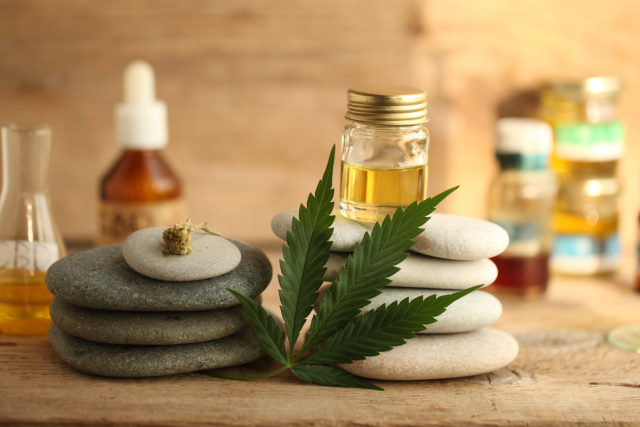
    Marijuana oils are extracts that contain high levels of THC or CBD. They can be taken orally, used in vaporizers, or applied topically. Oils provide many of the same benefits as edibles, but with even more potent effects. However, they can also be very expensive and difficult to find in some areas.

    4. Topicals

    Topical products infused with marijuana extract are applied directly to the skin. They are typically used to treat localized conditions like pain or inflammation.

    5. Tinctures

    Tinctures are extracts that are taken orally, usually under the tongue. They provide a fast-acting solution for conditions like pain or anxiety but tend to be less potent than edibles or oils.

    No matter which type of marijuana you choose, it’s important to start with a low dose and work your way up until you find the right amount for your needs. Different types of marijuana can provide different effects, so experimentation is key to finding the best one for you.

    The Health Benefits of Marijuana

    There are several potential health benefits associated with marijuana use. These include:

    1. Pain Relief: Marijuana is effective in treating a variety of chronic pain conditions, including arthritis, cancer pain, and nerve pain.
    2. Anxiety Relief: Cannabis has long been used as a treatment for anxiety and panic disorders.
    3. Appetite Stimulation: Marijuana can increase appetite and help with weight gain in those who need it, such as cancer patients undergoing chemotherapy.
    4. Nausea Relief: Cannabis is an effective anti-nausea medication and can be helpful for cancer patients undergoing chemotherapy or other treatments that cause nausea.
    5. Neurological Protection: Marijuana use has been linked with a reduced risk of developing Alzheimer’s disease and other forms of dementia. THC, the main psychoactive compound in cannabis, has been shown to protect brain cells from damage caused by inflammation and oxidative stress.
    6. Improved Sleep: Cannabis helps treat insomnia and other sleep disorders.
    7. Anti-inflammatory Effects: Cannabinoids have been shown to reduce inflammation in the body, which can help with conditions like lupus and Crohn’s disease.
    8. Reduced Risk of Cancer: Studies have suggested that cannabis use may reduce the risk of certain types of cancer, such as lung and prostate cancer.

    The Pros of Legalizing Marijuana

    There are many pros to legalizing marijuana. One of the most significant pros is that it would generate a lot of revenue for state and local governments. Taxing marijuana could bring in much-needed money to help fund schools, roads, and other public services. Legalizing marijuana would also create jobs in the legal cannabis industry. This would be a boon for the economy, as well as for individual workers.

    Another pro of legalizing marijuana is that it would take the drug out of the hands of criminals and into the hands of regulated businesses. This would make it safer for people to obtain and use marijuana, as they would know exactly what they were getting. Additionally, it would allow law enforcement to focus on more serious crimes.

    Many people believe that marijuana has medicinal benefits. If it were legal, patients who could benefit from its use would have easier access to it. Additionally, researchers would be able to study marijuana more easily, which could lead to new medical breakthroughs.

    Overall, there are many good reasons to legalize marijuana. It could help boost the economy, make communities safer, and improve public health.

    The Cons of Legalizing Marijuana

    Marijuana is often heralded as a harmless drug, but there are many potential drawbacks to legalizing it. One of the biggest concerns is that marijuana can be a gateway drug. Studies have shown that people who use marijuana are more likely to go on to use other, more dangerous drugs.

    Another downside to legalizing marijuana is that it would make the drug more accessible to young people. Currently, minors have a hard time getting their hands on marijuana. But if it were legal, it would be much easier for them to obtain it. This could lead to increased use among teenagers and young adults, which could in turn lead to more health and behavioral problems.

    It’s also important to consider the negative effects of marijuana on the user’s health. The drug can cause anxiety and paranoia, and studies have linked it to an increased risk of psychotic disorders like schizophrenia. Marijuana smoke contains many of the same harmful chemicals as tobacco smoke, so regular users may be at risk for lung cancer and other respiratory diseases.

    Finally, there’s the issue of drugged driving. If marijuana were legalized, there would likely be an increase in the number of drivers operating vehicles while under the influence of the drug. This would create a danger not just for those drivers, but for everyone else on the roadways as well.

    The Risks Associated With Marijuana Use

    While marijuana use is not without its risks, these risks are often overstated by opponents of legalization. Below we outline some of the potential risks associated with marijuana use:

    1. Short-term memory impairment – One of the most well-known effects of marijuana is its impact on short-term memory. However, this effect is typically only temporary and disappears once the individual stops using marijuana.
    2. Increased anxiety – Some individuals may experience increased anxiety levels when using marijuana, particularly if they are new to its use or have a history of anxiety disorders. However, this effect is typically mild and goes away once the individual becomes more accustomed to using marijuana.
    3. Impaired coordination – Marijuana can impair an individual’s coordination, which can lead to accidents or injuries. This effect is usually temporary and fades as the individual sobers up.
    4. Paranoia – Some people may experience paranoia or delusions when using marijuana, especially if they are new to its use or have a history of mental illness. However, this effect is typically mild and goes away once the individual stops using marijuana.

    Weighing the pros and cons of legalizing marijuana is an incredibly complex conversation that involves both moral and legal implications. Everyone needs to consider the potential ramifications of making this substance available on a larger scale, especially when it comes to our youth.

    In evaluating whether or not the benefits of legalization outweigh any risks, we must keep in mind that marijuana has been used medicinally for centuries and many states have already successfully implemented laws regulating its use.

    Ultimately, it will be up to each state legislature to decide if they deem marijuana safe enough for their residents and whether or not they feel comfortable with such legislation.


  • What is The Most Addictive Drug?

    What is The Most Addictive Drug?

    Substance abuse in America is rife, and according to the National Survey on Drug Use and Health, in 2017, 19.7 million Americans (age 12 and over), battled drug abuse.

    Whilst this survey is a few years old at this point, that doesn’t mean that addiction has settled down, and in some respects, it can be even higher in certain areas.

    Today’s article is about what the most addictive drugs are and how they affect people.

    Whilst there is no one addictive drug, there are quite a few that are very close together, and with some users, their abuse does not stop at drugs and can lead to other disorders such as alcohol addiction and prescription drugs.

    Addiction is harmful in various ways, as it can profoundly impact an individual’s physical, mental, and social well-being. Firstly, addiction often leads to deteriorating physical health due to the harmful effects of substance abuse on the body. It can also cause severe mental health issues, including anxiety, depression, and cognitive impairment. Additionally, addiction can strain relationships, isolate individuals from their support networks, and disrupt their ability to fulfill responsibilities, such as work or family obligations. This in turn can lead to financial instability and legal problems. In sum, addiction is detrimental because it compromises an individual’s health, mental state, relationships, and overall quality of life.

    Many workplaces have drug testing policies to ensure the well-being and productivity of their employees. These policies are even more strict in certain employment sectors. For instance, the Department of Transportation (DOT) has a strict drug testing policy in place for employees in safety-sensitive positions, such as commercial vehicle operators (e.g., truck drivers) and employees involved in aviation, maritime, and railroad operations. This is because safety is paramount in the transportation industry, and any impairment caused by drug use can lead to catastrophic accidents and loss of life. FMCSA oral fluid drug testing can be administered at any time to ensure the employees are not under the influence at any point. This is only one example; substance abuse can affect any sector at any point, which is why most companies have a very strict anti-drugs stance.

    Before indulging in any new substance, it’s important to understand how it works, and the potentially harmful effect it could have on your body. Addiction is a disease, and staying safe from it is necessary to live a happy and fulfilling life.

    What is Drug Addiction?

    Drug addiction, whether to substances like crack cocaine, crystal meth, heroin, or others, is recognized as a disease that profoundly alters both brain circuitry and behavior. Individuals find it increasingly challenging to regulate their drug consumption, leading to not only psychological but also physical dependence. This dependency significantly impairs the brain’s reward system, intensifying cravings for the drug of choice. Over time, this can manifest as chronic drug use, often accompanied by withdrawal symptoms and persistent cravings even in the absence of the addictive substance. Therefore, seeking help from professionals who can offer services like detox boston (or similar treatment elsewhere), becomes crucial in breaking the cycle of addiction and restoring both physical and mental well-being.

    What is Drug Testing?

    Drug testing is a procedure aimed at identifying the presence of drugs or their metabolites in a sample provided by an individual, such as blood, urine, saliva, or hair. This process is commonly employed in various workplace environments. Utilizing methods like drug and alcohol reasonable suspicion testing (or similar approaches), employers can ascertain the presence of illicit or prohibited substances, and assess whether an individual is impaired or influenced by drugs. This serves the crucial purpose of establishing a secure and safe working environment for all employees. Apart from the workplace, drug testing is also routinely carried out by law enforcement and governmental agencies as a means to uncover potential involvement in criminal activities.

    What Are The Most Addictive Substances?

    Whilst we will be talking about the most addictive drugs out there, we will also be talking about other substances like alcohol, which may not technically be considered a drug, but it is still a substance that can cause physical and psychological dependence.

    All drugs will have a variety of effects, and in some cases, there are drugs available that have been known to help people, however, further study is still needed and they will not be discussed today.

    Cocaine

    This drug, like some other drugs on this list, is classed as a stimulant drug.

    It is quite common on the streets and is taken from the coca plant which grows in South America. It is normally distributed in white powder form and it is quite noticeable in its clear packet.

    Whilst it is a drug that is well-known and used a lot, it is unfortunately not always pure for users. It can be cut with other substances like opioids and amphetamines, and in some cases to bulk it out, it can be mixed using starches and flours.

    The unfortunate side to this is that this can cause people to overdose if it is used with other drugs that hit them hard.

    People will snort cocaine which will spike dopamine levels in the brain resulting in a very quick high that becomes short-lived, making users want more.

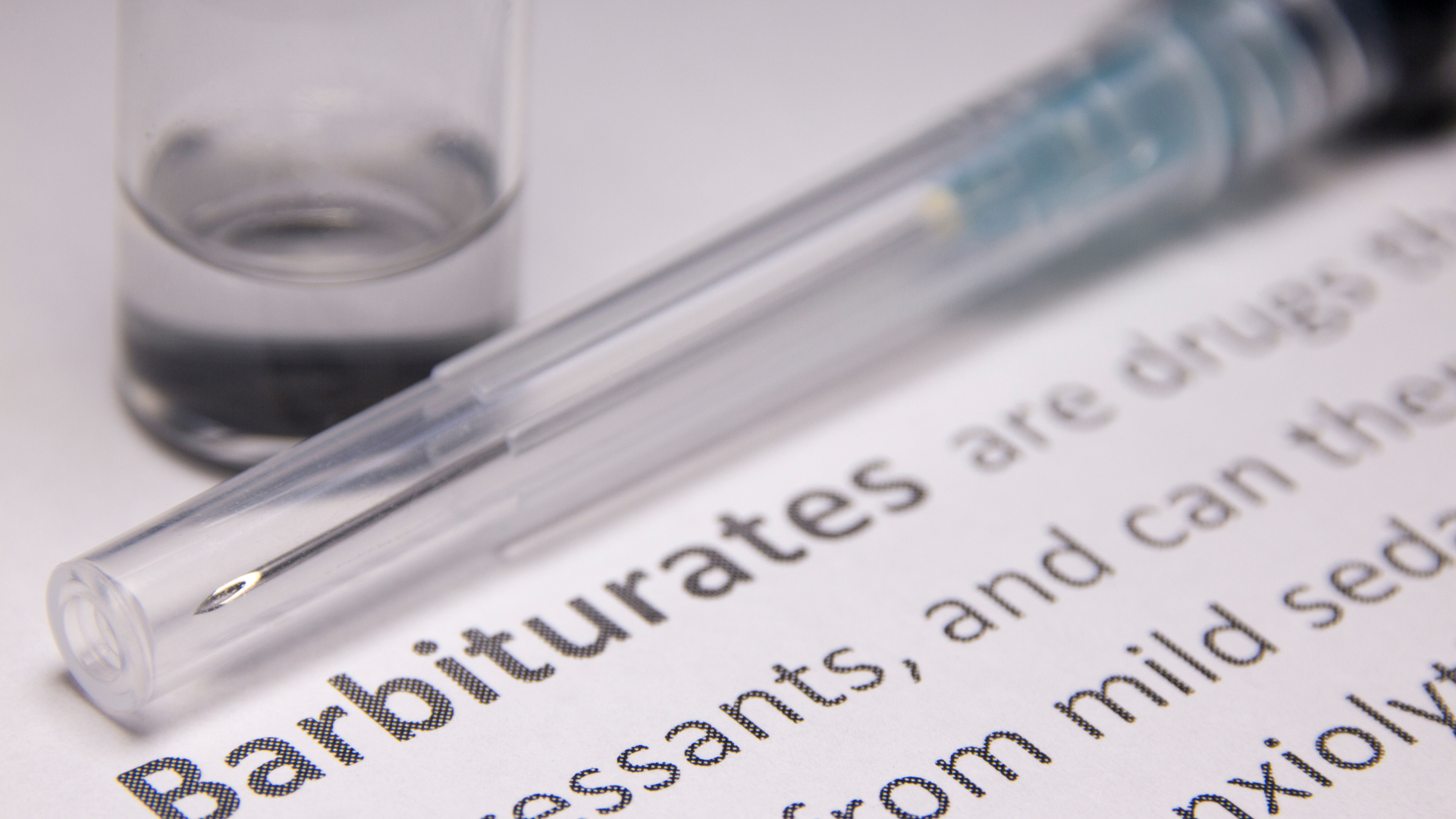
    Barbiturates

    These are known as central nervous system depressants.

    They are commonly prescribed by doctors to help people who experience anxiety and need to calm down their anxious responses.

    These types of depressants can also be used for epilepsy treatment, however, that is not always the case because of their addictive traits.

    Even though they can be prescribed, they are not always, which is why they can be sold on the streets with other illegal drugs and be highly addictive to those who use them.

    They are a class of drugs also called “downers” which can calm people down who have had stimulant drugs such as cocaine or methamphetamines.

    Those who are trying to withdraw from these drugs will have the same symptoms as those who are going through alcohol withdrawal which can be quite dangerous without proper supervision.

    Heroin

    This is a type of opiate drug made from morphine.

    Heroin addiction is easily achieved when taking this drug as it provides an intense high to the opioid receptors which makes people crave it again and again.

    People become physically dependent because the natural supply of dopamine gets depleted each time it is used, so people need to keep taking it consistently for them to feel these effects.

    The powder is either white or brown and comes with another substance called black tar.

    This is a serious drug to be addicted to and America is currently dealing with a heroin epidemic similar to their addiction to opioid drugs such as painkillers.

    Alcohol

    It may not technically be a drug, but it is highly addictive with millions of adults having an alcohol use disorder.

    It is a legal substance and easy for people to get their hands on. Despite the age limits, it is not hard for young people to procure any type of alcohol.

    It releases dopamine into the brain and helps people decrease their social anxiety so they feel relaxed when they are in social situations.

    This can make people crave it more so they can get that relaxed feeling along with a high so they can get that rush of endorphins.

    Detoxing from alcohol addiction can be very intense and it should be handled by professionals who can help them get clean safely.

    Crystal Meth

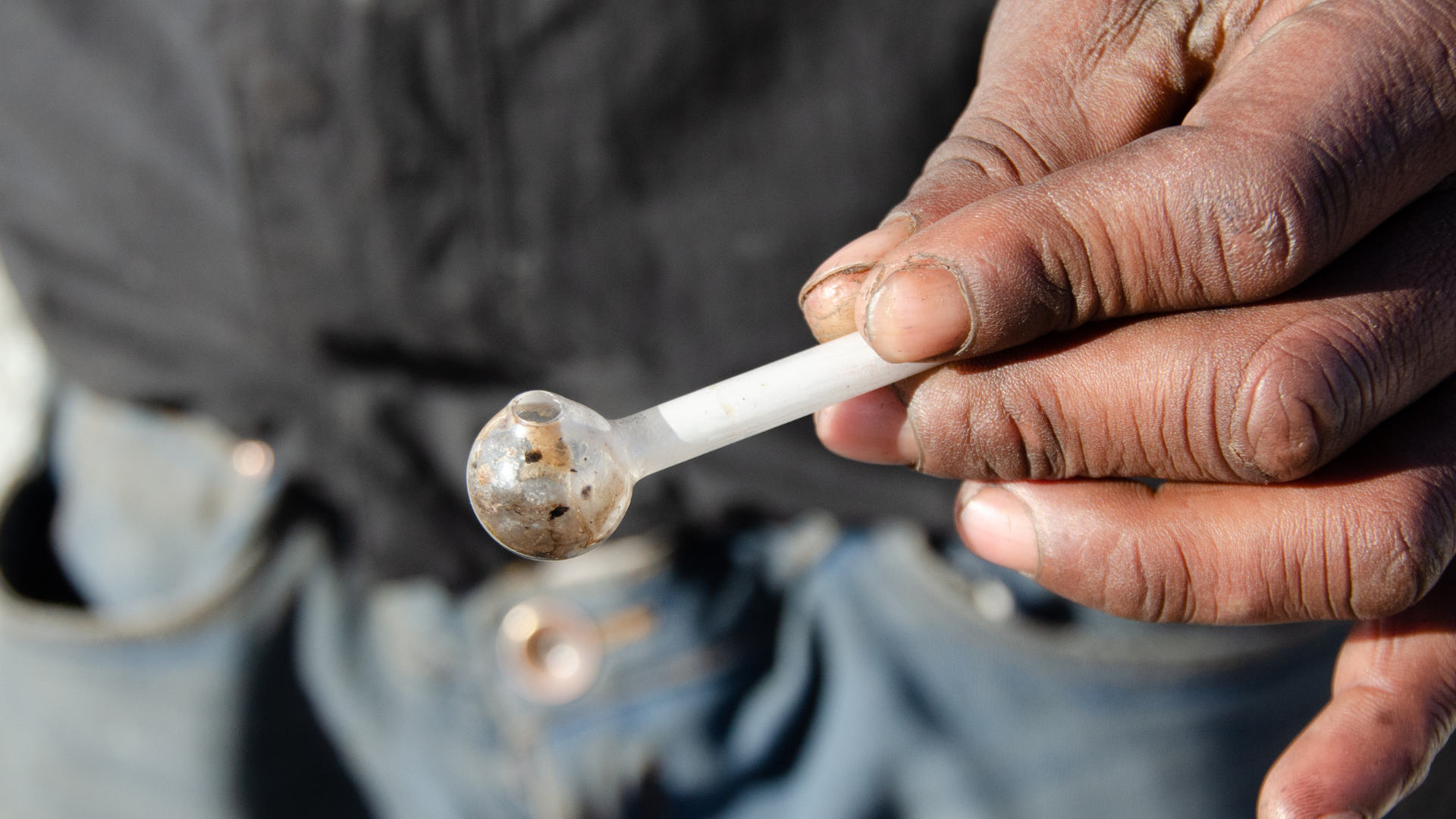
    This is a man-made drug and is incredibly harmful to those who take it.

    Any type of meth is a stimulant, however, this particular one is the strongest and most dangerous to the body.

    It can be used in a variety of ways, whether people want to snort it, inject it, or smoke it, there are multiple uses.

    It brings euphoria to the body and produces an intense high which makes people crave that feeling over and over.

    However, if too much is taken then it can produce aggressive or violent behavior as well as psychosis.

    Methadone

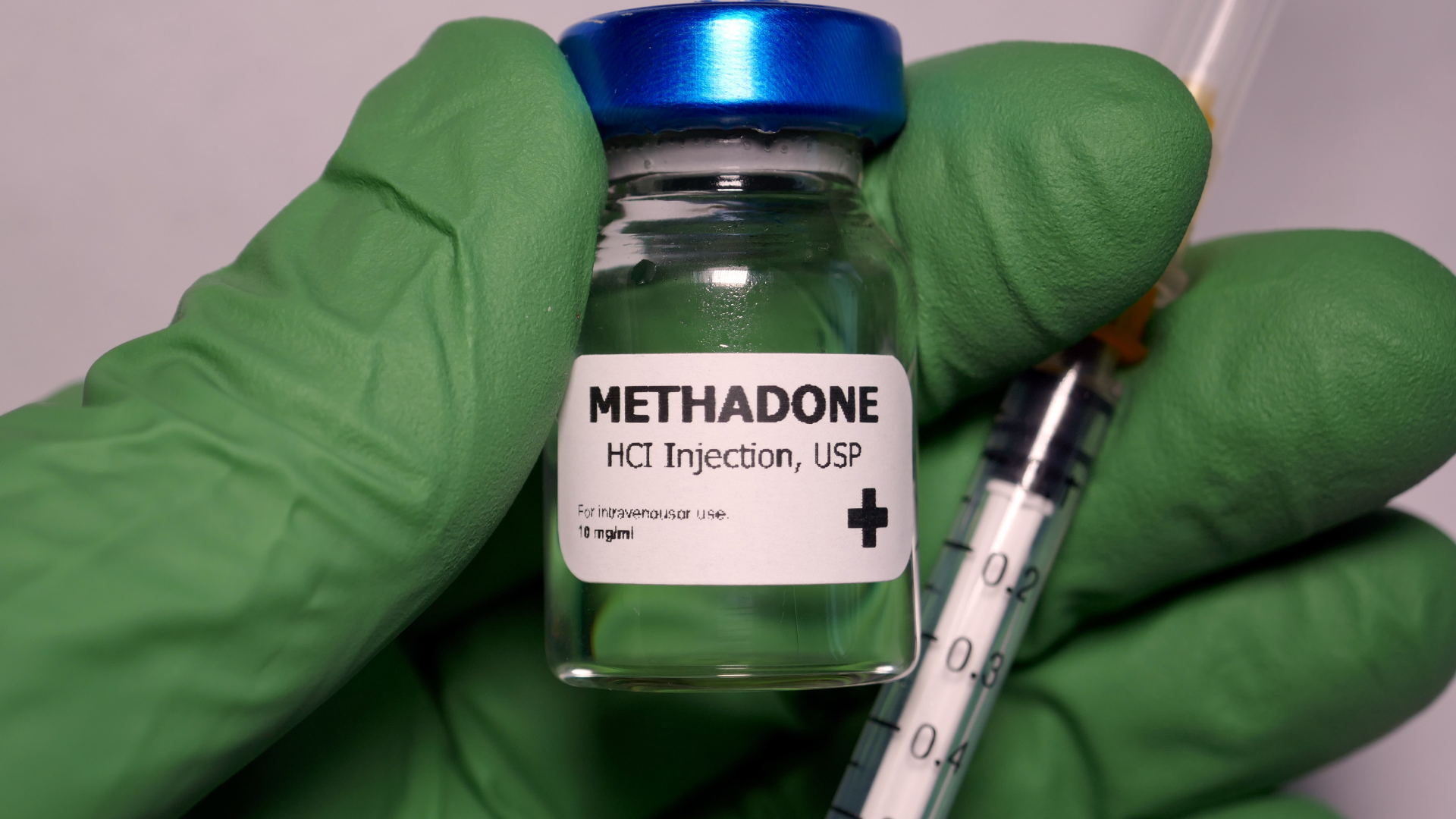
    People with heroin addiction will be given methadone to help them get off heroin, however, despite the fact that this is supposed to help, it can still be highly addictive when used alone.

    Patients who are given this as a form of treatment will need to be very closely monitored by medical professionals to ensure they are using it correctly and at the right dose.

    There are other drugs that can be used instead of methadone to help heroin users, and they have fewer concerns, but the treatment depends on the individual and what the doctor will think is best for their recovery.

    Benzodiazepines

    These are prescription drugs that are given to patients who are going through feelings such as anxiety.

    Xanax is one of the most widely known types of benzodiazepine. They have replaced barbiturates mostly but still have the same addictive effects.

    People will not always use them in the way they are intended and will get addicted to the way that they can make them feel, so they will be sold to people if they are unable to get a prescription for them.

    Getting Help

    If you or someone you know uses addictive drugs and/or has an alcohol abuse problem, it is important to reach out and get the right help.

    There are many addiction hotlines that you can call as well as websites with all the right information for you to access if you need it.

    Moreover, you can also find a center for Substance Abuse treatment in New Jersey (or your local area) that specializes in helping individuals overcome addiction. This center can provide the necessary support to aid you or your loved ones in breaking free from addiction.

    Remember, you are not alone, and the drug and alcohol abuse you are dealing with can be helped by the right professionals.

    Conclusion

    So, what is the most addictive drug? Well, unfortunately, there is no one drug that is the most addictive, and across the board, there are many out there that can cause people to get addicted and develop serious issues.

    It is never easy to get off any type of drug or substance that evokes feel-good chemicals, people want to chase that as much as possible, and with increasing problems in the world, people will turn to things that make them feel a sense of happiness.

    If you are someone who is going through this now, then know that there is help out there for you and you are not alone in your journey to recovery.

    Take care of yourself and know that you do matter and your life matters, so get the right help to set you on a better path.

  • The Ultimate Guide To Choosing A Hospital For Emergency Treatment

    The Ultimate Guide To Choosing A Hospital For Emergency Treatment

    Healthcare is a complicated topic. There’s a lot of information to consider, and the quality of health care varies greatly – there are hospitals that can offer the best medical treatments, while others might not be as reliable. In this article, we’ll provide you with all the important information on comparing hospitals, as well as some information on how to choose one in case you’re ever injured or need emergency care.

    Things To Consider When Choosing A Hospital

    When it comes to choosing a hospital for emergency medical treatment, there are a few things you should consider. Here are four tips:

    1. Location

    The first thing you need to think about is where the hospital is located. You don’t want to end up driving hours away if the hospital is relatively close by.

    2. Staff

    Another important factor to consider is the quality of the hospital staff. It is imperative to make sure that the hospital you are considering has qualified and experienced medical personnel.

    3. Equipment

    Make sure the hospital has the necessary equipment and supplies needed for emergency medical treatments. This includes beds, stretchers, and other necessary equipment like vital signs monitors, defibrillators, ventilators and more.

    4. RNs On-Call

    One of the most important factors when choosing a hospital for emergency medical treatment is having an RN on call 24/7 in case anything goes wrong.

    5. Cleanliness

    Maintaining hygiene is essential in a healthcare facility to prevent the spread of infections. There are many commercial cleaning services that do hospital cleaning in Des Moines, IA and other locations. Ensure that the hospital you choose maintains their cleanliness.

    Differences Between Hospitals

    When deciding which hospital to go to for emergency medical treatment, it’s important to understand the differences between them.

    There are three main types of hospitals: general hospitals, specialist hospitals, and rural hospitals.

    • General hospitals provide care for all types of illnesses and injuries and can be found all over the country.
    • Specialist hospitals focus on specific areas of medicine, such as cardiology or pediatrics, and are often more expensive than general hospitals.
    • Rural hospitals are specifically designed for treating patients who live in rural areas and offer a wider range of services than either general or specialist hospitals.

    If you’re traveling far away from home, it might be best to go to a general hospital rather than a specialist hospital. General hospitals have a much wider range of facilities and are more likely to have specialists on staff who can treat your particular condition.

    Finally, it’s important to note that not all injuries require admission to a hospital. If you only have minor injuries that don’t require attention from a doctor immediately, you can usually treat them at home with medication or rest. If the injury is more serious or if you don’t feel well enough to take care of yourself, then you should probably call an ambulance and head straight to the nearest hospital.

    What Happens When You Get To The Hospital?

    If you’re having a medical emergency and find yourself in need of hospitalization, you’ll likely want to choose the most appropriate facility. To make an informed decision, it’s important to know what happens when you get to the hospital. Here are five things that typically happen:

    1. You’ll be assessed by a doctor or nurse. This will include a physical examination and checking for any obvious signs of illness or injury.
    2. If you require surgery, you may be given a pre-operative assessment questionnaire. This will help the doctors or surgeons plan the operation in as efficient and safe a way as possible.
    3. You may be admitted to the hospital immediately if there is an immediate health risk, such as severe bleeding or poisoning from ingesting poison ivy toxins. In most cases, however, patients are first assessed and then admitted based on their condition and needs. This admission process also involves verifying your insurance or discussing financial arrangements if necessary.
    4. Once admitted, you’ll undergo treatment according to your condition and any medications you’re taking. If necessary, you may also receive specialized care, such as radiation therapy or heart surgery.
    5. If your condition improves after admission to the hospital, you may be discharged home or transferred to another facility where your specific care needs can be met more closely acquainted with your condition.

    As a patient nears the point of discharge, the healthcare team not only focuses on ensuring their physical well-being but also initiates the billing procedure to address the financial side of their care. Hospitals typically have dedicated billing departments or teams that work to ensure that all charges are accurate and that insurance claims are processed correctly. However, some of them opt to outsource their medical billing functions to specialized companies, which can help streamline this process and reduce administrative burdens. Patients must review the final bill, clarify any insurance-related queries, and discuss payment options before leaving the hospital.

    What Kind of Care do You Receive?

    If you have an emergency, the first thing you need to do is find a hospital. This is not always easy, as hospitals charge different rates for different types of care. The type of care you receive also depends on the hospital.

    Some hospitals specialize in providing emergency medical treatment while others are more oriented toward long-term care or rehabilitation. You should also consider what kind of equipment and facilities the hospital has available for treating emergencies.

    Here are some tips to help you choose the right hospital:

    1. Look at the rating system

    Every state has its own rating system for hospitals, and it’s important to use this information when choosing one. The Centers for Medicare and Medicaid Services (CMS) assigns a rating to each hospital according to its performance in various areas such as safety, efficiency, and quality of care. The higher the rating, the better the hospital is performing.

    2. Check out online reviews

    A quick way to find out a hospital’s quality (or lack thereof) is to read online reviews. Make sure that you read both positive and negative reviews, so that you have a comprehensive understanding of what others think about the facility before making your decision. Also, keep an eye out for words like “medical negligence” while going through the reviews. If you find someone talking about how they have been a victim of delayed diagnosis or failure of the surgeon to adhere to the standards of medical practices during the surgery, for which they might now be fighting a legal battle with the help of a medical malpractice attorney Atlanta (or elsewhere), then you better think twice about your decision of choosing this hospital.

    3. Consider your needs

    When looking at ratings, it’s important to take into account things like patient satisfaction rates, staff-to-patient ratios, and average wait times for services. Some patients may prefer a hospital with high ratings but low patient satisfaction.

    As someone who has had experience with both the private and public hospitals in the area, I can tell you that there is a lot to consider when choosing which hospital to go to for emergency medical treatment. In this guide, we have outlined some of the key factors you should take into account when making your decision. From location to staff availability, this guide has it all.

  • Cannabidiol Oil: A Versatile Supplement with Many Benefits

    Cannabidiol Oil: A Versatile Supplement with Many Benefits

    Cannabidiol oil is a versatile supplement with many benefits. Research has shown that CBD oil can help to treat a variety of conditions and ailments including depression, fatigue, insomnia, chronic pain, and in some cases cancer. Learn more about CBD oil in this blog post!

    Cannabidiol Oil: What is it?

    Cannabidiol oil is a versatile supplement with many benefits. It is effective in treating a variety of conditions, including anxiety, depression, chronic pain, and more. CBD oil is available in various forms, including capsules, tinctures, and liquid drops. Similarly, CBDa oil, also known as cannabidiolic acid oil, is a natural extract derived from the hemp plant. Unlike CBD (cannabidiol), CBDa is the acidic precursor to CBD and is typically found in raw hemp plants. CBDa oil is known for its anti-inflammatory, analgesic, and anti-nausea properties. Some of the best cbda oil may also have potential anti-anxiety and anti-depressant effects. While more studies are needed to fully understand its mechanisms and benefits, both forms of cannabidiol oil have shown promise as a natural supplement for individuals seeking alternative remedies for various health conditions.

    While many people are wary of cannabis products because of its psychoactive effects, CBD is one component of cannabis that does not cause this reaction. THC is the component that produces the “high” feeling and intoxication. THC also comes in a variety of forms, like oils, tinctures and vape pens that can be refilled with verano carts (or cartridges from other brands). Some people consumeTHC for its health properties, as it has pain-relieving and stress-alleviating characteristics (if taken in the right dosages). They may also enjoy the intoxicating effects that it provides as a by-product.

    How CBD Oil Can Help

    CBD oil has been shown to have a wide range of benefits for both the body and mind. It can help reduce inflammation, improve anxiety and mood disorders, and support healthy cognitive function.
    The use of CBD has seen its fair share of success with animals too. Products with different concentrations of cbd for pets that are used to take care of similar issues as those with humans. Oils based on CBD can be used to help pets with stiff muscles and joints, as well as those with age-related issues. Besides, it could help improve gut health by reducing gas, acidity, and other digestive issues as well.

    CBD oil is also known to help treat various other health conditions, such as chronic pain, seizures, and more. There are many ways that CBD oil can help you.

    Reduce Inflammation

    To start, it can help reduce inflammation throughout your body. Inflammation is responsible for a wide range of symptoms, including pain, swelling, and difficulty breathing. CBD oil helps reduce inflammation in different parts of the body, including the gut, joints, and skin. In addition to reducing inflammation, CBD oil can also help improve overall nerve function and circulation.

    Support Cognitive Function

    CBD oil can also help support healthy cognitive function. Cognitive function refers to your ability to think clearly and make decisions effectively. Many people experience difficulties with cognitive function as they age, which can lead to problems with daily life tasks such as cooking or managing finances. CBD oil helps improve cognitive function in several different ways.

    For example, it has been found to support memory formation and recall abilities in humans. Additionally, CBD oil has been shown to improve attention span and focus in individuals with Attention Deficit Hyperactivity Disorder (ADHD).

    Overall, there are many ways that CBD oil can help you. Whether you’re looking to reduce inflammation or support cognitive function, CBD oil can be a helpful tool. However, it’s important to remember that you’ll need a medical card in most states if you want to purchase CBD products. To obtain one, you can consult a marijuana doctor brandon (if that’s where you live). He would likely issue you the card after administering your condition, and would even suggest the dosage.

    That said, let’s check out some more benefits of CBD oil, some well-known and others less known:

    • CBD can help reduce anxiety.
    • CBD can help reduce inflammation.
    • CBD can help improve sleep quality.
    • CBD can help improve mental health.
    • CBD can help reduce the symptoms of multiple sclerosis.
    • CBD can help reduce the symptoms of epilepsy.
    • CBD can help reduce the symptoms of PTSD.
    • CBD can help improve cardiovascular health.
    • CBD can help improve psoriasis.
    • CBD can help reduce the symptoms of cancer.

    Uses for CBD Oil

    CBD oil is an extremely versatile supplement with many benefits. It can be used to relieve a variety of conditions, including:

    • Relieving pain
    • Reducing inflammation
    • Improving sleep quality
    • Preventing anxiety and depression
    • Helping to reduce seizures
    • Boosting the immune system
    • Reducing anxiety and stress
    • Helping to control epilepsy
    • Improving mood and cognitive function
    • Preventing cancer
    • Preventing Alzheimer’s disease

    CBD oil can be used in a variety of ways, including:

    • As a topical treatment for pain
    • As an edible supplement for reducing inflammation
    • As a topical treatment for epilepsy
    • As a topical treatment for anxiety and depression

    In combination with other treatments, such as antidepressants or anticonvulsants, to improve efficacy

    Disadvantages of CBD Oil

    There are a few disadvantages to CBD oil. The main one is that it isn’t as effective as other medications for treating serious medical conditions. For example, CBD oil doesn’t work as well to treat anxiety or chronic pain. Additionally, CBD oil isn’t regulated by the government like other medications, so it may not be available in all locations. Finally, there is a risk that using CBD oil could cause psychoactive effects, such as changes in mood or behavior.

    Can You Get Too Much CBD?

    CBD oil is a versatile supplement with many benefits. Some people use it to relieve pain, reduce anxiety, and improve sleep. It can also help treat conditions like multiple sclerosis and epilepsy. However, too much CBD can have negative consequences.

    When using CBD oil, it’s important to be aware of the dosage you’re taking. Some people find that taking a small amount of CBD oil daily is enough to achieve the desired results. Others may need to take more than twice the recommended dose to feel the same effects.

    If you’re using CBD oil to treat a medical condition, be sure to speak with your doctor about how much CBD oil is safe for you to take and how often you should take it.

  • Common Conditions That Can Affect Your Health

    Common Conditions That Can Affect Your Health

    After the flu season, it’s common to be in a state of low immunity. This can leave you vulnerable to other ailments, like hay fever and colds. In this article, we will outline what the most common diseases are and how to avoid them.

    Autoimmune Disease

    Autoimmune diseases occur when the immune system mistakenly attacks healthy tissues in the body. These conditions can cause severe health problems. These include joint pain, skin rashes, and neurological problems.

    There is no cure for autoimmune diseases. But treatment options include medication, surgery, and therapy. There can also be other unconventional methods to treat autoimmune issues like psoriasis, eczema, and acne. One such option could be using horse milk capsules, which can help improve various skin conditions. Other benefits of horse milk may include an improved immune system, better digestion, easing symptoms of asthma and respiratory disorders, and many more.

    While it is hard to completely cure autoimmune diseases, there can be ways to manage the symptoms and prevent them from becoming severe. Moreover, autoimmune diseases are more common in women than men and can affect people of any age.

    Cardiovascular Disease

    Heart disease is the leading cause of death in the United States. More than 1 million Americans die from heart disease each year, and the number is increasing. Heart disease can occur due to many factors, including genetics, age, lifestyle, and environment.

    There are a few things you can do to reduce your risk of heart disease: eat a healthy diet, exercise regularly, and avoid smoking. If you have heart disease or are at risk for it, be sure to see your doctor regularly for checkups and treatments.

    Cancer

    Many conditions can affect your health. Some are common, and others are not so common. Conditions that can affect your health include cancer.

    Cancer is a disease that affects the cells in your body. There are many different types of cancer, and each type has its symptoms. Those affected with cancer should seek the appropriate treatment at a radiotherapy centre or an oncology clinic. While there is no known cure for the disease, there are ways to manage it.

    Some cancers can be cured, while others may require treatment to control the disease. In most cases, chemotherapy can help to treat and potentially cure certain types of cancer. Chemotherapy works by targeting and destroying the cancer cells, while also helping to reduce the size of the tumor. It can also be used in combination with other treatments, such as surgery or radiation, to further increase the chances of a successful outcome. In the following months after chemotherapy, the patients usually will go through a period of recovery where they will likely need assistance from home care providers and medication from Care Packages for Chemo Patients.

    Diabetes

    Diabetes is a chronic medical condition that affects the body’s ability to regulate blood sugar levels, either due to insufficient insulin production (Type 1 diabetes) or an inability to use insulin effectively (Type 2 diabetes). When not properly managed, diabetes can lead to a range of serious health problems that affect various parts of the body. Here, we’ll delve into some of the problems individuals with diabetes may encounter, including foot problems, skin problems, and stomach problems.

    Foot Problems
  • Neuropathy: Diabetes can damage nerves, leading to a condition known as diabetic neuropathy. This can result in numbness, tingling, or loss of sensation in the feet, making it difficult for individuals to notice injuries, blisters, or sores.
  • Poor circulation: Diabetes can also cause damage to blood vessels, impairing blood flow to the feet. Reduced blood circulation can slow down the healing process, increasing the risk of infections and ulcers.
  • Foot ulcers: Due to reduced sensation and circulation, minor injuries can develop into foot ulcers, which are slow-healing sores. In severe cases, these ulcers may lead to amputation if not treated promptly. To prevent this from happening, many individuals often opt for Circufiber socks, which typically feature a unique blend of materials, including fibers that promote better blood flow and offer extra padding to reduce pressure points. By enhancing circulation and minimizing friction, they can reduce the risk of foot problems, including ulcers and infections.
  • Skin Problems
  • Dry skin: Diabetes can lead to dry and itchy skin due to reduced moisture retention. Dry skin can crack and become more susceptible to infections.
    Infections: Individuals with diabetes are at a higher risk of skin infections, including bacterial and fungal infections. These infections can be more challenging to treat and may require longer courses of medication.
  • Stomach Problems

  • Gastroparesis: Diabetes can affect the nerves that control the stomach muscles, leading to a condition called gastroparesis. This results in delayed emptying of the stomach, causing symptoms such as nausea, vomiting, bloating, and difficulty digesting food.
    Diabetic diarrhea: Some individuals with diabetes may experience chronic diarrhea, which can be caused by nerve damage affecting the intestines.
  • Cardiovascular Problems

  • Heart disease: Diabetes is a major risk factor for heart disease. High blood sugar levels can damage blood vessels and lead to the buildup of plaque, increasing the risk of heart attacks and other cardiovascular problems.
    Stroke: Individuals with diabetes have an elevated risk of stroke due to the impact of diabetes on blood vessels and clotting factors.
  • Eye Problems

  • Blindness: Diabetes can damage the blood vessels in the retina, a condition known as diabetic retinopathy. If left untreated, diabetic retinopathy can lead to vision loss and even blindness.
  • Kidney Problems

  • Kidney disease: Diabetes is a leading cause of kidney disease (diabetic nephropathy), which can progress to kidney failure if not managed properly.
  • It’s crucial for individuals with diabetes to manage their condition through lifestyle changes, medication, and regular medical check-ups. Maintaining good blood sugar control, managing blood pressure and cholesterol levels, and adopting a healthy diet and exercise routine are essential steps to reduce the risk of complications associated with diabetes. Regular monitoring and early intervention can also help prevent or mitigate many of these diabetes-related problems.

    Inflammatory Bowel Disease

    Inflammatory bowel disease (IBD) is a serious condition that can affect your health. IBD includes Crohn’s disease and ulcerative colitis, two of the most common forms of the condition.

    There isn’t one cause for IBD, but it can stem from a combination of factors, including genetics, lifestyle choices, and environment. The good news is that there are treatments available that can help improve your quality of life.

    If you’re diagnosed with IBD, it’s important to seek out professional help as soon as possible. Treatment options vary depending on the type of IBD you have, but typically involve surgery, medication, or a combination of both. If you’re experiencing regular symptoms or if your health is in danger, it’s best to see a doctor as soon as possible.

    Kidney Failure

    Kidney failure is a serious problem that can lead to death if not treated. Many conditions can cause kidney failure. These include dehydration, diabetes, and high blood pressure.

    Some of the most common symptoms of kidney failure include nausea, vomiting, and lightheadedness. If you experience any of these symptoms, it is important to see a doctor right away.

    If you’re diagnosed with kidney failure, your doctor will likely prescribe dialysis or a renal transplant to help restore your health. Dialysis uses machines to remove waste from the blood and filters it so that the patient can survive. A renal transplant is a procedure in which a healthy kidney from someone else is placed into the patient’s body.

    Lymphoma and Leukemia

    While most cancers are caused by the accumulation of mutations in a person’s DNA, lymphoma and leukemia are both cancers of the immune system. These diseases develop when abnormal cells in the lymph nodes and other tissues of the body start to divide uncontrollably. Lymphoma is more common than leukemia, but both can be deadly if not treated.

    Lymphoma treatments typically involve chemotherapy and radiation therapy, but leukemia treatments often include a combination of chemo and radiation therapy. Early detection is key to preventing these diseases from becoming fatal. So it’s important to know if you’re at risk for either cancer and to get checked regularly.

    Malnutrition and Obesity

    Malnutrition and obesity are two of the most common conditions that can affect your health. Obesity is a problem where people have too much body fat. This can lead to health problems, such as high blood pressure, heart disease, stroke, type 2 diabetes, and some types of cancer.

    Malnutrition is a problem where people don’t get enough nutrients from food. This can lead to problems like low energy levels, poor mental health, and bone loss. Malnutrition can be caused by things like not having enough money or access to food, being a refugee or immigrant, being in a war zone, or being in a famine.

    There are ways to prevent both malnutrition and obesity. You can eat healthy foods every day, exercise regularly, and get medical help if you have any problems with your health.

  • Gummies vs. Oils: What CBD Products Are Out There?

    Gummies vs. Oils: What CBD Products Are Out There?

    CBD, or cannabidiol, is the hottest new thing in the health sector right now. It’s said to have potential therapeutic qualities and is touted as a natural way to treat everything from anxiety to arthritis, to epilepsy, to even cancer. But cannabidiol is only derived from marijuana, which some Americans still perceive as dangerous, so cannabidiol products have been largely prohibited, making the CBD boom a black-market business. But cannabidiol-related products, such as gummies, are emerging as an alternative to CBD oil, which has the added benefit of being edible and makes it much easier for people to incorporate CBD into their diets.

    Cannabidiol-related products, such as gummies, however, are emerging as an alternative to CBD oil, which has the added benefit of being edible and makes it much easier for people to incorporate CBD into their diets. The infusion of CBD into different products like syrups, baked goods, and chocolates have also helped throw some variation in the different types of edibles available on online portals like skyhigh dispensary as well as in retail storefronts. So, for an avid user of CBD, there may be many product options to choose from, but the one most used is a matter of preference.

    CBD Oil vs. CBD Gummies: Product Definitions

    CBD is an acronym for cannabidiol, a non-psychoactive compound found in cannabis plants. The oil that is extracted from cannabis plants largely contains CBD. Nowadays, you can also find gummies that are CBD-infused. A CBD tincture is a mixture of Cannabis and hemp seed oil and is meant to be taken orally. As CBD use becomes more common, there has been an increase in sales of CBD gummies, which come in different flavors (strawberry, blueberry, lemon, orange, and cherry, to name a few) and colors (blue, orange, pink, and green). So, before you go shopping for CBD gummies at an online cannabis store, it might be important to learn the differences between CBD hemp oil and CBD gummies, so you can choose between products that offer the same benefits.

    What’s the Difference Between CBD Oil and CBD Gummies? Both CBD oil and CBD gummies come from the exact same plant, Cannabis sativa, which is cultivated specifically for its high concentration of cannabidiol (CBD). CBD comes from the same plant as marijuana. Still, hemp plants are bred to contain less of the psychoactive cannabinoid tetrahydrocannabinol (THC), making the hemp plant suitable for making CBD extracts.

    CBD Oil vs. CBD Gummies: Dosage

    The medical benefits of CBD are well documented, making it a popular choice for treating a variety of conditions and symptoms. CBD derived from hemp, like CBD oil, is legally available across the country. It can be bought from a local dispensary as well as an e-store, such as Canna Union (click here to explore some products, if interested). Other than CBD oil, cannabidiol gummies are also very popular. However, unlike CBD oil, gummies are infused with CBD rather than the natural plant extract itself. With both products, nevertheless, it’s important to understand the right dosage. If you’re using CBD oil or CBD gummies to treat a medical condition, it’s critical that you follow the directions provided on the label./span>

    CBD Oil vs. CBD Gummies: Lifestyle Choices

    CBD oil is extracted from the cannabis plant and is used in treating various conditions. CBD oil comes in a variety of forms, including capsules, tinctures, and topical treatments. But no matter which form you use, the best way to get the full benefits of CBD oil is to use it regularly. There are different methods to consume CBD oil, including applying it to the skin, consuming it in oil form, or using the liquid in capsules. CBD oil can be found in liquid, capsules, lotions, ointments, and sprays. It can be taken orally or applied directly to the skin.

    As the US cannabis market continues to expand, CBD gummies and edibles are becoming more popular as people find ways to ingest the ingredient in a less harsh form than smoking it. CBD gummies are a great option as they have a taste that mimics candy but still provide the health benefits of CBD. If you are interested in buying high-quality CBD gummies, you can order them from portals like https://leiffa.com/recreational/.

    Use CBD gummies to get relief for ailments like anxiety, insomnia, and chronic pain. CBD gummies are easy to take and do not contain psychoactive ingredients. These gummies are fat-soluble, which means that they absorb into the bloodstream faster than other CBD products, like tinctures and oils.

  • CBD Cream for Pain: Do You Have Any CBD Topical Cream Questions?

    CBD Cream for Pain: Do You Have Any CBD Topical Cream Questions?

    Whether your reason for turning to CBD is pain, inflammation, or anxiety, there are plenty of ways to consume it. Did you know there are also countless ways to use CBD topically? CBD topical creams, salves, and ointments-both in pure CBD extracts and in combination with essential oils and other cannabinoids-are some of the most popular ways to use CBD.

    When most people hear the term “CBD cream,” they likely start thinking of cannabis, a marijuana plant. While cannabis also contains CBD, the marijuana plant also contains THC (the active ingredient in marijuana). CBD is the non-psychoactive compound found in marijuana and hemp products. Though it’s also found in many other plants, marijuana and hemp products are considered safe, high-quality sources of CBD. Trusting these products as anxiety cream or cream for pain is the smarter choice, especially if you were thinking of trying marijuana “pain cream” or “anxiety cream.”

    Some CBD Topical Cream Questions:

    What Types of CBD Topical Creams Are Available?

    CBD, or cannabidiol, is a cannabis compound that is renowned for its ability to relieve pain, reduce inflammation, reduce anxiety, and help sleep. Using CBD topically is a great way to target specific areas of pain or discomfort, like sore muscles, aching joints, headaches, and skin conditions like eczema and psoriasis. CBD topical creams are easy to use and come in wide varieties, including balms, lotions, salves, and creams. Most of these products can be purchased online by looking for local sellers with keywords like cannabis dispensary delivery near me. With the help of search terms, you can get various brand options that will deliver products like CBD gel, pain relief cream, hydrating lotion, THC oil, and more to your doorstep.

    How Effective Is CBD Topical Cream?

    Have you heard of CBD topical creams? These creams contain cannabidiol, also known as CBD, and are made from all-natural plant extract. While CBD has been studied extensively for its medicinal uses, the extent of what it can do is still being studied, so researchers are still unsure about how effective it is for topical use. However, doctors use CBD creams for everything from dry or chapped skin to treating chronic skin conditions such as psoriasis. Since CBD creams are easily available at dispensaries these days, people are interested in finding out more about them, thereby increasing its popularity.

    What Ingredients Are in CBD Topical Cream?

    CBD topical cream is swiftly emerging as a popular solution for various ailments, spanning from muscle pain to arthritis. Derived from hemp, this natural remedy is applied directly to the skin to provide temporary relief. Packed with significant CBD content extracted from non-psychoactive hemp plants, it offers therapeutic benefits without the “high.” You can acquire this product from CBD Wellness and similar dispensaries in your area.

    What Topical Cream Is Best for Your Skin?

    There are many CBD topical creams on the market, each with its own individual benefits. It’s important to note, however, that CBD topicals will not deliver psychoactive effects. And while many people use topical creams to alleviate joint pain and inflammation, CBD topicals are equally useful for relieving your aches, pains, and discomforts in other areas, such as your skin.

    • Cornbread Hemp CBD Lotion, Menthol Formula
    • Naternal Rescue CBD Muscle Cream
    • FAB CBD Topical CBD Cream
    • Extract Labs Muscle Cream
    • CBDfx Muscle & Joint CBD Hemp Cream
    • Aspen Green Muscle Relief Cooling Cream

    How Much CBD Topical Cream Should I Use?

    In order for CBD topicals to work, they must first be absorbed into the bloodstream. This is where the CBD topical cream comes in. The cream is placed on the area where inflammation is present, and the CBD travels directly to the site. If you are using the cream for chronic pain, then 1-2 applications a day are suggested. For swelling, wrap it a few times a day until the swelling subsides. You will need to apply more cream per application for insect bites, stings, and broken skin. 4-6 mg per application is recommended.

    Are CBD Creams Worth Your Time and Money?

    If you’ve ever used a CBD product before, chances are pretty good that you’ve come across CBD creams. These creams are a great way to deliver CBD to your skin since the skin sits below your top layers of skin and gets around 75% of the nutrients that your body absorbs. But whether CBD creams are worth your time and money depends largely on what you’re hoping to achieve.

    Topical cannabidiol (CBD) cream has become a popular way for people with tattoos, bone spurs, or other painful ailments to apply CBD directly to sore spots. The most common way to use CBD topical cream is with a salve roller, but you can also buy it in a tube or in a jar. Because CBD cream is topical, it can’t enter the bloodstream, so it doesn’t produce the euphoric effects of cannabis. Instead, CBD cream is believed to be able to alleviate aches, pains, and anxiety, and assist with muscle relaxation and recovery.

  • How Safe Is Telemedicine?

    How Safe Is Telemedicine?

    Telemedicine-the practice of using a video chat room to consult with a doctor via a smartphone-is quickly becoming a popular way to consult with a doctor, with even major airlines making it an in-flight option. But is it safe?

    More about Telemedicine

    Telemedicine is the use of Internet technologies (such as telephones, computer networks, and videoconferencing) to provide healthcare services from a distance. This type of software, more can be read about it on websites such as https://www.agora.io/en/developer/webrtc/, has been able to help many businesses and individuals connect with others in real-time without having to leave home or be delayed in being helped.

    Telemedicine is a broad term that includes a wide range of non-traditional methods for sending health care advice and medical records, teaching patients about their conditions, or simply connecting people with health care professionals. It is a term that encompasses talking to your doctor via video or audio chat. It can encompass a number of different approaches, including teleconsultations, videoconferencing, electronic medical records, and video or video-recorded form filling. Some people may consider telemedicine to be a bit unsafe in regard to online data safety but most healthcare organizations have to adhere to some sort of compliance that makes them responsible to ensure patients’ data safety. For instance, they may employ resources like hipaa risk assessment training to secure public health records.

    Today, there are a number of tools and services that make Telemedicine possible, from Skype to mobile devices like the iPhone to sophisticated medical software that connects medical professionals to patients over the Internet. Any of these services can be used to connect patients with doctors, nurses, or other health care professionals over the Internet. Still, they also can be used to deliver health care advice to patients without a physical connection. Currently, Telemedicine is used in a range of settings, such as long-term care, medicine, and dentistry.

    Telemedicine, or remote medical care, is becoming increasingly popular. The idea behind it is that, instead of going to a doctor’s office, you can simply access medical resources from the comfort of your home online. When it was first introduced, the concept of “healthcare in the cloud” sounded pretty futuristic. But now that we’ve seen how well the iPhone works for real-time, hands-free maps, it’s not so hard to imagine a future where our phones are the key to accessing medical services.

    What Are the Health Concerns That Telemedicine Can Be A Reliable Option?

    Telemedicine is an electronic means of transmitting healthcare information and care. Doctors can evaluate patients remotely via the Internet. Americans use telemedicine services for many reasons, including medical care, patient education, and convenience.

    Also, Telemedicine is good for those who can benefit from it. But there are certain health conditions that can be treated without a visit to the doctor. Some of these concerns are chronic and continually bother you. Other concerns, however, are not so regular. For instance, you might be concerned about weight loss.

    Telemedicine: How safe is this medical care?

    Telemedicine is a form of medical communication that allows a healthcare professional to provide medical care and treatment remotely. Telemedicine has been around for decades and has now advanced so far that it is being used for things like a remote diagnosis of medical conditions and even surgeries. And the benefits are just as good as those from traditional medical practices.

    Even if you don’t have an urgent medical condition, your doctor can consult with one via video chat, meaning that you can get a second opinion on anything. While it may be more convenient, how safe is Telemedicine?

    Suppose you or a loved one has experienced any symptoms of a medical condition. In that case, you may not be aware of it because Telemedicine allows medical specialists to diagnose and treat you remotely, even if you are located in another part of the world. However, Telemedicine is not without its risks.

    Can telemedicine increase the chances of medical errors?

    The medical industry is known to be highly dependent on telemedicine to provide remote care because of the benefits of using telemedicine, including increased access to healthcare for people who reside in remote or rural areas. But some types of medical services benefit better from in-person care instead of virtual diagnostics. This is because a video chat over the phone might limit a doctor’s ability to make a full physical examination. Needless to say, when doctors make mistakes over the phone, the risk of medical harm increases exponentially. One of the common areas where medical errors can take place in telemedicine is Genitourinary radiology.

    Radiology usually involves reviewing medical imaging. Therefore, it happens to be one of the most commonly performed telemedicine services. A competent radiologist can obtain imaging tests and review them from anywhere in the world, provided that he has an internet connection. This means a radiologist can take a look at your CT scan by sitting on a beach in Hawaii regardless of where you went through the scan, be it at a Chicago hospital or Cape Town nursing home.

    Experienced radiologists often make use of this technological advancement to treat those with no access to land-based hospitals. But not always can telemedicine bear fruitful results, especially when a radiologist is inexperienced and new to this field. In such cases, the chances of the healthcare professional misinterpreting an imaging test can increase by ten folds. The radiologist might miss the signs of a possible tumor in the Genitourinary radiology imaging scan, which may delay the diagnosis of cancer in a patient. A delayed diagnosis could enable the cancerous tumor to further spread to other parts of the body causing the patient to suffer physical injury and pain. Plus, this can directly impact their chances of recovery. In such situations, the concerned individual can consult with delayed treatment solicitors so that they can hold the healthcare professional accountable and get the desired compensation.

    Anyway, the bottom line is that even telemedicine can be prone to medical errors. Though it is a noble way of reaching those who cannot access hospitals, the negligence of a doctor can have repercussions beyond imagination.

    Telemedicine in a Nutshell

    For years, Telemedicine has been touted as the solution to many healthcare problems. Doctors have been able to diagnose patients remotely and offer treatment remotely. For example, a patient with a tumor in their lung can be diagnosed by a specialist online by recommending a few tests and then be referred to an oncologist for treatment. After that patient can either go for the recommended medical professional or explore a few private oncologists in their neighborhood. In many ways, Telemedicine can reduce the cost of healthcare, improve convenience, and allow doctors to see more patients without making them wait for hours..

    Telemedicine has been around for a while and is used in many different settings: in the military on bases overseas, in industries where workers are stationed far away, and in many different settings where regular visits are not feasible. While some countries have adopted this technology more seriously than others, it is still too new to be a “mainstream” option.

    Telemedicine means communicating with a health professional remotely. This is becoming more and more popular as technology becomes more advanced. Doctors have always been able to communicate with patients and listen to their problems, but now, they can do so from anywhere in the world. Doctors and patients can work together to solve problems, which can be very helpful.

  •  What Are Intrusive Thoughts, And How Can We Deal with Them?

     What Are Intrusive Thoughts, And How Can We Deal with Them?

    An intrusive thought is when our minds are consumed with an idea or thought that we’d rather keep to ourselves. This kind of thinking can be dangerous and can lead to anxiety or depression.

    We all have occasional thoughts that we find intrusive, though some are more intrusive than others. For example, you may have a thought like, “I’m fat,” “I’m stupid,” or “I’m a loser.” Intrusive thoughts are the kind of thoughts that we can’t get rid of on our own, such as “I’m ugly” or “I’m boring,” or “I’m stupid.” Intrusive thoughts are the kind of thoughts that keep us from having the realizations and opportunities that can make us happier.

    Intrusive thoughts are unwelcome and bothersome thoughts that can disrupt your peace of mind. They often pop up unexpectedly, ranging from minor worries to distressing thoughts. For example, if you’re faced with a heavy workload and a tight deadline, you might experience intrusive thoughts related to anxiety and worry about completing the tasks on time. In such situations, you will likely have two options. First, have open communication with your manager to find a solution and reduce work-related stress. Second, you can engage in relaxing activities like vaping (for which you can check all Lost Mary disposable vapes), which can help alleviate some of the stress and anxiety associated with intrusive thoughts.

    However, this is just one example of how intrusive thoughts can arise in your life, and each situation requires a different approach for coping. Intrusive thoughts are a common issue, impacting millions of individuals worldwide. These thoughts can have significant consequences, potentially leading to conditions like depression, anxiety, and various other negative emotional states.

    The idea of intrusive thoughts can be a very difficult topic to talk about and can be a challenge to understand. However, these are thoughts that are occurring to you. They are not “you” being bad or a bad person. Intrusive thoughts are simply the product of your mind. To stop these thoughts from recurring, you need to learn how to deal with them.

    Intrusive thoughts are one of those things that every human being has experienced at some time or another. We all know a day when our mind isn’t fully focused on the present moment because we’re still thinking about something from the past or worrying about something in the future. Intrusive thoughts are thoughts that invade your mind without any warning or provocation, and they are usually unwanted and unpleasant.

    The intrusive thoughts that haunt us can be terrifying. They can make us feel like we are going mad or like something bad will happen to us. With intrusive thoughts, we may feel paranoid, anxious, sad, or desperate. We may even feel like we are losing control. But there is something we can do about this.

    Many people experience intrusive thoughts. These thoughts can appear in your mind out of the blue and have an impact that can last all day. They can also distract you and make you feel anxious. The good news is that you can learn to recognize these thoughts and develop healthy ways to handle them. For one, you can start exercising. Studies show that working out can release endorphins in the brain, which can in turn reduce anxiety, stress, or sadness. On the other hand, you can also try cannabis products (visit online stores like cheap weed or similar others to buy some) to calm your mind as these tend to have a relaxing effect and can help ease intrusive and anxious thoughts. Similarly, there are plenty of ways to manage repetitive and anxiety-provoking thoughts. Although, if you feel them at extreme levels, it might be better to visit a mental health professional instead, as you might need a particular kind of treatment to help your situation.

    Intrusive thoughts are among the most common mental health problems for people of all ages. These thoughts interfere with your ability to think about, or focus on, other things. Often, people with intrusive thoughts can’t bring themselves to read or watch TV because they find their minds going back to intrusive thoughts. But the solution lies not in ignoring intrusive thoughts but in facing them.

    One of the ways to deal with this is to have a strong sense of self. You wouldn’t want to be someone you are not, so when you are feeling anxious, it is easy to deny that you are feeling anxious, and when you are feeling depressed, you can deny that you are feeling depressed. This is not a healthy way to live. We should always admit to ourselves when we are feeling something.

    Intrusive thoughts can be disturbing, upsetting, distressing, and they can even cause you to experience difficulty understanding reality. Many people deal with intrusive thoughts of this nature daily. Still, the truth is that it is a very treatable condition, and over-the-counter medications such as selective serotonin reuptake inhibitors (SSRIs) are very effective in helping you to combat it.

    People who suffer from intrusive thoughts often reach out to support groups where they can talk about their experiences. Being in a group can sometimes provide a solution, but it may also be a way to add to their problems.

    Thoughts and feelings are natural, but some thoughts and feelings can be intrusive. Intrusive thoughts are recurring thoughts that we don’t like and that can cause us distress. We can recognize intrusive thoughts and know that they are not helpful, but that doesn’t make them disappear. We have to learn how to manage intrusive thoughts.

  • What’s the Difference Between Ibuprofen and Paracetamol?

    What’s the Difference Between Ibuprofen and Paracetamol?

    Ibuprofen and paracetamol (acetaminophen) are two common over-the-counter medicines used to treat pain and fever and are sometimes used to treat other health conditions. Both medicines come in tablet form, although paracetamol can also be sold in liquid form. However, the active ingredients in both medicines are the same.

    Ibuprofen and paracetamol are one of the most common medications used to treat pain and inflammation. The first is a non-steroidal anti-inflammatory drug (NSAID), while the other is a non-steroidal anti-inflammatory and antipyretic drug (NSAID AND ANTI-PROTRIPTY). Both drugs have been in use for many years and have similar effects, but do you know the difference between the two?

    What is Ibuprofen?

    Ibuprofen is a yellow-orange crystalline powder that’s a widely used anti-inflammatory pain reliever. It’s a member of the Non-steroidal anti-inflammatory drug (NSAID) family, along with aspirin, acetaminophen, and naproxen. NSAIDs are commonly used to relieve mild to moderate pain and to reduce fever. They work by inhibiting the formation of prostaglandin, a naturally occurring chemical messenger responsible for pain and fever.

    Ibuprofen (trade name Ibuprofen, also sold under the trade names Advil, Nuprin, Midol, Motrin, and others) is a non-steroidal anti-inflammatory drug (NSAID) or painkiller. The drug is widely used in medicine and is available over the counter. It is used to treat a number of conditions, such as fever, inflammation, headaches, and menstrual pain.

    What is Paracetamol?

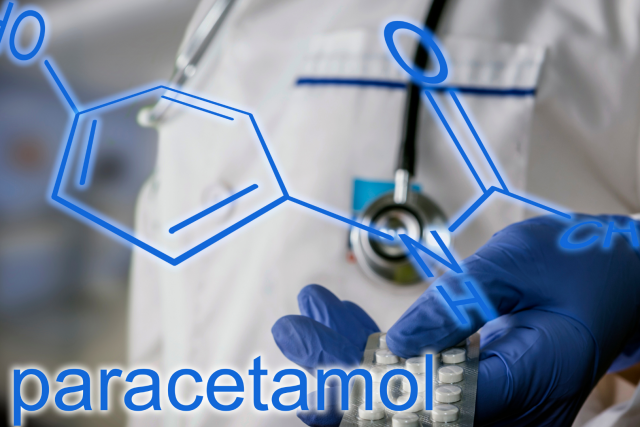
    Paracetamol is the brand name for a group of painkiller drugs known as acetaminophen (or paracetamol). The active ingredient in these medications is usually specified as either “paracetamol” or “acetaminophen.” Paracetamol is a non-prescription drug that comes in the form of tablets, capsules, and liquid. It works by blocking the production of chemicals in the body that is responsible for pain. These chemicals are called “prostaglandins.”

    Paracetamol (also known as acetaminophen) is a medication in the non-steroidal anti-inflammatory drug (NSAID) family – a type of drug that is used to relieve mild to moderate pain and reduce fever. It is sold in tablet, capsule, and liquid form. At what dose should you take it? This depends on the type of pain being treated. For example, a person may only need a tablet or capsule of paracetamol for mild pain, whereas a person with a head injury may need a different dose for each symptom at the time.

    How do you take them?

    Ibuprofen and paracetamol are the most common over-the-counter painkillers, and there are basically two ways of taking them. If you take them with water (i.e., ibuprofen), you swallow them. If you take them with food (i.e., paracetamol), you take them in capsules or tablets and put them under your tongue. 

    So, what is the difference between Ibuprofen and Paracetamol?

    There are a lot of different over-the-counter pain relievers on the market, each with its own unique strengths. Ibuprofen (or Advil) is a synthetic non-steroidal anti-inflammatory (NSAID) that can be taken as a tablet, a chewable, or a liquid. Paracetamol is a natural pain reliever made from pain-relieving chemicals found in plants. Ibuprofen has a lot of uses and is generally safe to use. Paracetamol is relatively safe but can cause drowsiness and is not as effective as ibuprofen.

    Ibuprofen and paracetamol are both commonly used as painkillers, but the two are very different. Ibuprofen helps reduce pain by inhibiting enzymes that cause inflammation, while paracetamol reduces pain by suppressing the release of certain chemicals in the brain. Ibuprofen is generally taken for longer periods of time, while paracetamol is generally taken in smaller doses. The differences between these painkillers may seem insignificant, but they can have a noticeable impact on your health.

    But what’s the difference between the two? Health professionals say the biggest difference is the way they work. For example, paracetamol can stay in your system for up to 8 hours, while ibuprofen goes only 3. Ibuprofen also works by blocking substances (such as prostaglandins and hormones)

    There are many different types of painkillers on the market, and some of them are quite similar to each other, but one that is often confused for the other is ibuprofen and paracetamol. Both drugs are completely different types of painkillers used to help people with different types of pain, but they do have some similarities.