Blog

  • Do Vegans Need to Take Supplements?

    Do Vegans Need to Take Supplements?

    Do vegans need to take supplements? That’s the question that’s on many people’s minds who are either considering going vegan or are already vegan. Vegans need to pay attention to certain nutrients and take appropriate supplements to ensure they get enough of them. However, it is also important to remember that supplements are not a replacement for a healthy, balanced vegan diet. If you’re a vegan who wants to know if you need to take supplements-and which ones-read on.

    Vegans are often asked whether or not they need to take supplements. Some people are surprised to learn that some vitamins and minerals can only be obtained through animal products. Yet a varied diet including grains, legumes, nuts, seeds, fruits, vegetables, and herbs and spices can help to cover nutrient needs.

    There are many people that would like to live a vegetarian lifestyle but aren’t sure if they are getting everything they need from their food. It can be a little confusing to know exactly what a vegan needs to take a supplement for because there are so many different nutrients that are not found in the food we eat (vitamin B12 and Calcium are the most common).

    Since vegans do not consume any meat or seafood, their diet may lack some necessary fatty acids. Because of this, omega-3 supplements are beneficial for vegan individuals as they provide a concentrated and reliable source of essential fatty acids, particularly EPA (eicosapentaenoic acid) and DHA (docosahexaenoic acid), which are predominantly found in fish oil. Vegan individuals often turn to omega-3 supplements derived from algae, like omega 3 with astaxanthin, which provide a direct and bioavailable source of EPA and DHA without relying on fish or other animal products.

    Being a vegan is more than just a diet. It’s a lifestyle that emphasizes respect for all living things. Vegans not only avoid eating meat and animal byproducts, but they also avoid products that are tested on animals and buy products that are cruelty-free. While many people follow a vegan-friendly diet for health reasons, vegans choose to be vegan for ethical reasons and are, therefore, the most likely population to worry about developing a vitamin or other nutrient deficiency.

    A vegan diet includes only plant-based foods and, unlike vegetarian diets, excludes eggs, dairy, and other animal products. It is also the only diet that requires you to get all of your nutrients from plant-based sources. While it is true that a vegan diet is both healthful and environmentally friendly, some vegans may not be getting all the nutrients they need. Many nutrients are only found in animal products, such as vitamin B12, so this will need to be replaced in an alternative way.

    If you have a well-prepared and well-thought-out diet, you will be able to get all the nutrients you need for your body without getting any sort of vitamins or supplements. However, if your meals aren’t the best, then you might consider taking supplements. For people who are just starting out, I think that you should go ahead and buy supplements to make things easier for you, especially at the beginning. In case you are very particular about what you put in your body, you might also consider making supplements yourself using empty vegan capsules (that could be purchased from e-stores like Capsule Supplies) and herbs or other ingredients of your choice. So, I guess the answer to the title question is whether or not you feel like you need the supplements. But as you learn more and more about how to prepare vegan meals with the right amount of nutrients for your body, you won’t even need these supplements anymore.

    How Do You Know Whether or Not You Need to Take Supplements?

    For most people, a healthy diet and regular exercise are all you need to stay healthy. However, there are some instances where you may need to take certain vitamins or minerals-or even supplements that contain more than one ingredient, like a multivitamin to ensure you’re getting all the nutrients and minerals you need (and, yes, it’s possible to get too many vitamins or minerals in your diet, so it’s important to have an understanding of how your diet and health factors can affect your need for supplements.).

    Finding the right diet can be a challenge, as nutrition experts continue to debate the role of specific nutrients in promoting health. If you take nutritional supplements, you may be wondering how to choose the right ones-and whether you need them at all. There are some basic guidelines that can help you decide. Supplements fall into one of two categories:

    (1) vitamin and mineral supplements, which typically provide doses of specific nutrients

    (2) other nutritional supplements, which provide a variety of non-vitamin nutrients, herbs, and botanicals.

    Both types can help fill a nutrient gap, and both can have beneficial effects on health. Moreover, you can also opt for a vegan supplement to fulfill your nutrition needs. You can visit websites like https://cleanwellness.com/garden-of-life-vegan-dha-supplement-minami-algae-omega-3.html to order a vegan supplement pack. There are some other types of nutritional supplements that have been proved to help individuals with specific health needs, such as treating iron deficiencies.

    Are you vegan? How do you ensure that you have all the vitamins and minerals you need? I would be really interested to learn more about the vegan diet and how to stay healthy whilst changing your lifestyle!
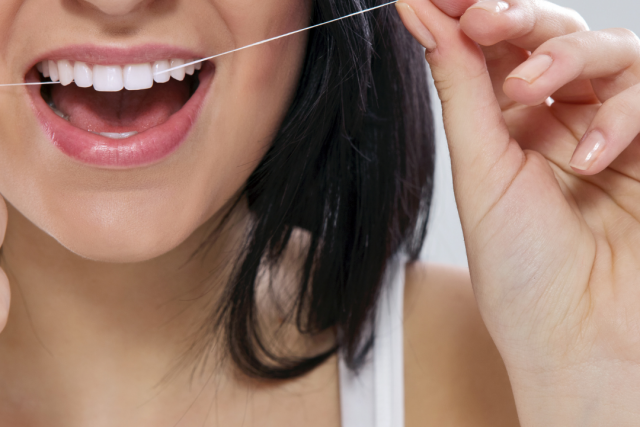

  • Best Ways to Floss

    Best Ways to Floss

    Flossing, like most things, is something you’re probably not doing correctly. And if you’re not flossing correctly, it’s probably not giving you the results you want. Here’s how you can start getting the best results from flossing and make your mouth feel super clean and fresh.

    Most people use plain old string floss, which is OK to use for a while, but it can damage the gums and is a bit rough on your teeth. If you’ve got sensitive teeth, this may not be the best option for you. Instead, find floss that’s made of high-quality material like silk or polymer.

    After you’ve brushed, flossing is the next most important thing you can do to take care of your teeth and gums. There are lots of ways to floss. Flossing can be quick and easy when you find a technique that works for you. When choosing between floss, water flossers, and string floss, it’s important to think about what’s most important to you.

    Most people already know they need to floss regularly to keep their teeth and gums healthy, but they usually don’t do it-or they simply aren’t very good at it. If you’re looking for the best way to floss, there are a few considerations to take into account, including whether or not you have a flexible toothbrush.

    For the past few decades, dentists and Ortodoncista alike have recommended flossing as the best way to remove debris and food between teeth. But flossing can be a hassle-the string can break, and it can be difficult to reach every tooth. Newer methods that come in the form of brushes and sprays may make this better.

    • What are the benefits of flossing?

    Flossing is an effective way to prevent plaque and tartar build-up in between your teeth, but did you know it can offer other benefits too? Here are just a few of the benefits of flossing.

    Getting in the habit of flossing isn’t easy, but the benefits can be hard to ignore: less plaque build-up, fewer cavities, and better gum health. Plaque build-up and cavities could lead to more serious issues like gum recession and tooth decay, which would require you to get some sort of dental treatment from your local dentist jackson ms (or where you are located). Despite these risks, many of us have trouble taking the time to floss every day. Studies show that flossing just 5 times a week is enough to prevent most issues related to gum disease and tooth decay.

    The benefits of flossing are undeniable. Flossing helps remove plaque, food particles, and bacteria from between your teeth, which can help prevent tooth decay and gum disease. If you don’t floss, you’re missing out: flossing doesn’t just remove food particles from between your teeth but also helps scrape away plaque, which is the sticky film of bacteria that builds upon our teeth every day. Lack of flossing can cause severe oral health issues such as gingivitis, for which you may have to get gum disease treatment. However, if you’re just starting out, it might seem like there are a lot of different flossing methods, and they all kind of seem complicated.

    Flossing is an essential part of taking care of your teeth, yet it is one of the most neglected parts of dental care. It’s easy to forget about flossing when there are so many other things to do, like brushing, which takes longer. But, if you ever find yourself with a mouthful of food particles, you’ll be glad that you did take the time to floss.

    • How to find the right dental floss

    Flossing is essential to maintaining good oral hygiene, but finding the right dental floss can sometimes be a challenge. With options like waxed, unwaxed, flavored, and tooth-strengthening floss available, it’s important to choose the type that suits your personal preferences. If you prefer flossing daily but find waxed floss difficult to use, consider trying unwaxed floss. Keep in mind, if you’ve recently undergone any dental treatment, it’s wise to consult a medical professional before using any floss. For example, if you’ve had treatment associated with restorative dentistry paso robles (or elsewhere), it’s a good idea to seek guidance from your dentist. They can help you choose the right floss that won’t impact any teeth restorations you have received.

    If you have a reason to floss (i.e., to prevent cavities and gum disease), then you also have a reason to find a brand of dental floss that’s best for you. There are many things to consider: price, flavor, the material the floss is made from, and of course if you prefer waxed or unwaxed floss.

    Flossing is honestly such a satisfying thing to do after you brush your teeth because you feel twice as clean, and you can go to sleep or wake up feeling happy and clean! Personally, I like minty breath so I always choose flavored floss, what’s your preference?

  • 5 Ways to Cope with Anxiety During Coronavirus

    5 Ways to Cope with Anxiety During Coronavirus

    It is understandable that you are worried about getting sick – especially when you consider how serious the Coronavirus can be. For some people, just knowing they have contracted the illness is enough to trigger an anxiety attack – and we are not just talking about fleeting anxiety about whether you are going to be okay. But the fact is, anxiety doesn’t help anyone.

    If you have been following the devastating news about the Coronavirus, it could be very likely that you are feeling anxious. It is easy to worry about what might happen, but there are some things you can do to help keep your anxiety from controlling you.

    Anxiety is a normal reaction to stress. It is a feeling of worry and unease, usually generalized and unfocused. In some cases, anxiety can be beneficial as it can act as an alert system, letting a person know when things are not as they should be or when changes in the environment need to be made. Anxiety can also motivate a person to take action to address a problem and find a solution. Anxiety becomes problematic when it is excessive, persistent, or uncontrollable. If one experiences any of the latter, it would be advisable to consult an Online Psychiatrist or an easily accessible medic, who can listen to the concerns raised and offer viable solutions.

    The rapid spread of the Coronavirus highlights how quickly disease can become epidemic and the power of the Internet to spread information quickly, and viral, as it can be. But as millions of people are infected with the Coronavirus, and new cases are reported daily, what can you do to cope with the anxiety that might be growing as you read this? When anxiety becomes overwhelming, it can be hard to think clearly. It is important to focus on your well-being.

    The following are some suggestions for effective ways to cope with anxiety.

    1. Keep a detailed diary of your anxiety symptoms and triggers. Anxiety can often feel like an invisible illness. Keeping track of what triggers your anxiety allows you to be proactive in your treatment.
    2. Consider taking an antidepressant medication. Sometimes, anxiety can be linked to other health conditions, such as depression. In these instances, taking antidepressant medication can help relieve both your anxiety and depression symptoms. This might seem a bit unnecessary to some people, but if you feel overly anxious every single day, then maybe you should consider taking them. Alternatively, if you don’t fancy that idea, there are alternative treatments that can be used instead. For example, this website – https://cfah.org/best-cbd-oil-for-anxiety/ – suggests that CBD oil can be used to help to treat anxiety. There is also a lot of scientific evidence and studies, which you can find online, to back this up. Actually, there are even more medical cannabis-derived products that can be used for the purpose. Delta 8 THC, which can be found online from vendors such as https://area52.com/, has the same effect and has taken centre stage during the wellness boom within Coronavirus. Everyone knows that cannabis has proven benefits when it comes to reducing anxiety so why not try some recreational marijuana in denver (or somewhere local to you)?
    3. Avoid activities that trigger your anxiety. If you notice a specific activity increasing your anxiety, avoid doing it for a while. And you should also try your best to keep your mind from thinking of things that make your anxiety go through the roof.
    4. It might seem like the best way to cope with anxiety during Coronavirus is to avoid it completely. While you might be able to avoid the virus, you can’t always avoid anxiety, especially when it comes up unexpectedly. For example, you might experience a case of nerves while you are in a packed elevator, or you might start to feel anxious while you are stuck in a traffic jam because you are worried you won’t get to your appointment on time. The good news is that you can do things to cope with your anxiety when it comes up. For example, you can try redirecting your thoughts to something you find soothing. You can also try to distract yourself from your anxiety with a hobby you enjoy, like knitting, for example.
    5. Talk to people around you or talk to people online. This can help you manage the stress or anxiety that you are experiencing from the coronavirus outbreak. Talking to someone might even make things easier for you and will definitely help you cope during these stressful times. Isolating yourself from people and not talking to anyone might even make things worse, especially if you don’t have any distractions against your negative thoughts.

    Coping with anxiety during Coronavirus can be especially challenging since the very nature of the disease causes you to worry about the possibility of getting sick. Anxiety, which is one of the most common reactions to the Coronavirus, can strike anyone. Still, the risk of developing an anxiety disorder is much greater among people who have a family history of anxiety disorders. If you think you may be developing an anxiety disorder, don’t wait to seek help! The sooner you get treatment, the easier it will be for you to cope with anxiety during Coronavirus.

  • 3 Ways to Make a Mask from Items Around Your House

    3 Ways to Make a Mask from Items Around Your House

    The recent outbreak of the Middle Eastern Respiratory Syndrome Coronavirus (MERS-CoV) has experts worried about a pandemic and with good reason. (MERS-CoV), which is a SARS-like virus that causes coughing, fever, and shortness of breath, has infected more than 600 people—and killed more than 100. (MERS-CoV) is easily spread from one person to another, and the good news is that it doesn’t appear to transmit through the air. There are vaccines that you can get. However, it is still necessary for you to wear a mask whenever you are outside.

    The coronavirus is a respiratory illness that can cause fever, headache, diarrhea, stomach pain, and vomiting, leading to more serious complications, such as pneumonia. In some cases, it can lead to heart failure or even death. The virus is spread through contact with infected respiratory secretions, such as coughing, sneezing, or touching contaminated surfaces. Thankfully, it is relatively easy to protect yourself from the virus by using simple precautions, such as wearing a mask to prevent the spread of respiratory secretions.

    Masks are a protective respiratory device worn to protect the face or nose from inhaling airborne particles and help prevent the spread of germs such as colds and the flu. Masks are an important part of any preparation for a pandemic, such as the current outbreak of the coronavirus. In fact, they are one of the simplest items you can make yourself with items you have around the house.

    Everyone knows that the most important step of any disease-related plan is prevention. If you have contracted the coronavirus, for instance, you may be wondering what you can do to prevent it from spreading. One easy way to reduce the risk of transmitting this infectious disease is to make sure you use a mask when you are around anyone who has it. While surgical masks and N95 respirators are effective, they are also bulky. Fortunately, it is easy to make your own disposable mask from household items.

    If you are tight on money, then maybe you should just make your own DIY facemasks at home to save yourself a few dollars. Here are a few ways you can make your own masks at home.

    • A simple way to make a mask is to pretty much just use a cloth that is laying around your home and a string that is preferably elastic, such as elastic bands or hair bands that you can find lying around. You can also use a coffee filter or a tissue, although these materials are optional. All you really must do is to fold that cloth, preferably like a bandana, and fold it again twice. Afterward, place your elastic band around the cloth to make a mask. That wasn’t difficult at all. So, let’s look at another way you can make a mask.
    • This time let’s learn how you can make a mask just from an old shirt you may have lying around that you don’t even use. So, for this, we obviously need a shirt that you don’t use and, once again, a coffee filter or tissue if you want to make it stronger and make your mask more resilient. To start on this little project, first cut the bottom half of the shirt. The amount that you are going to use should be enough to cover your nose to your chin. After that, cut into your shirt to make the straps that wrap around your head. After that last step, you are basically done!
    • As the saying goes, a stitch in time saves nine, but let’s face it, no one has the time to sit around sewing all day long. Fortunately, there are plenty of ways to make a cloth mask without a sewing machine — by stitching, gluing, knotting, or even using a standard paper clip. There is a simple way to make a cloth mask that does not involve sewing. First, you need to prepare the necessary tools and materials. You will also need a sewing machine, scissors, and a needle. On the other hand, producing a cloth mask does not require a sewing machine. The mask will be made using your hands.
  • How to Treat and Relieve Your Muscle Soreness

    How to Treat and Relieve Your Muscle Soreness

    After a few hours of intense training, I feel sore. It hurts. My shoulders, hips, neck, calves, legs, and triceps ache. It is very inconvenient, especially when I need to work in the office or attend an out-of-town business meeting the next day.

    How Long Does the Pain Last?

    My trainer said that the pain disappears after a few days. Usually, the muscle soreness starts from 12 to 24 hours after a strenuous exercise. The inflammation tends to peak from 24 to 72 hours. Then, the pain begins to decline.

    What if the inflammation continues for an extended period? What are you going to do? Muscle soreness is normal, particularly when you exercise. If the pain persists for a few weeks or months, it’s time to get some Pain Treatment Therapy or visit a doctor. Don’t leave it too late!

    Instead of following what you research online, although some information is reliable, do not be afraid to contact your physical therapist and other trusted health professionals.

    Some Expert-Recommended Treatments for Muscle Pain

    Who wants to endure muscle pain after an intense workout routine? No one likes that. While it is part of the process, it can interfere with your life. You may encounter some trouble concentrating. Your productivity will decrease. Plus, your relationship with your family, colleagues, and friends may change.

    Do not wait for that time to happen! Below are some treatments that may provide muscle pain relief:

    Take Pain Medication

    People after a workout feel different pains. While the soreness subsides after a few days, you might not endure the discomfort.

    Usually, licensed health professionals advise patients to consider and take nonsteroidal anti-inflammatory drugs to relieve the inflammation and pain. Some may also advise taking an alternative product if they are available in your area. For instance, some may opt for delta 8 gummies if medical marijuana products are available in their area.

    Over-the-counter medications are naproxen sodium, ibuprofen, and aspirin. If it does not work, prescription NSAIDs are your last resort. Common brands are Oxaprozin, Vimovo, Etodolac, Diclofenac, Indomethacin, and Naproxen. Ask your doctor’s prescription before you take any of these medications.

    Massage Affected Areas

    Typically, after a long workout, I would go to massage parlors for some relaxation. But because of Covid-19, my partner is my masseuse. Before, we only used sports cream. Now, we employ essential oil, and here are some of my top choices:

    –Clary Sage. This is rich with potent antimicrobial properties that help control soreness.

    –Roman Chamomile. Similar to Clary Sage, Roman Chamomile is soothing. I love its daisy-like flower scent, and it is very addicting.

    –Rose Oil. Relaxing effect? Good scent? Cheap? Effective? Highly accessible? Name it! Rose oil got them all.

    –Lavender. Lavender oil is also one of the best choices you can ever have. Its scent is soothing. It does not relieve painful muscles but eases my mind.

    Heat Therapy

    After a massage, how does it feel? Perhaps, you experience pain relief. Alternatively, you also consider heat therapy. Once an inflamed area is exposed to enough heat, it will dilate blood vessels, promote good blood flow, and help tightened muscles relax.

    With improved circulation, lactic acid waste will not build up. Taking a bath is the most common type of heat therapy. But it won’t work for some people. You can apply a safe heating device to the sore area instead. If you are on a budget, a hot compress or water bottle is a perfect idea. You can also try electrical heating pads if you have an extra budget.

    Cold Treatment

    On the other hand, cold therapy reduces blood flow to a swollen area, slowing the rate of inflammation and tissue damage. Considered a good local anesthetic, it numbs sore tissues. It is most effective after 48 hours of a severe injury.

    You can use a chemical cold pack and cold compress. Also, you can soak the affected area in cold water. Cold therapy is ideal for sprains, osteoarthritis, gout, and tendinitis.

    Avoid cold therapy when you have blistered skin, any kind of vascular disease, or are sensitive to cold.

    What Are The Other Options?

    There are natural remedies you can try. Bromelain, an enzyme found in pineapple and other fruits, is proven to relieve muscle soreness, bruising, and swelling. You can take at least 500 mg of bromelain twice a day. Other natural remedies could include using CBD-related products like cbd salve to relax temporary muscle soreness, provided that CBD products are legal in your current location.

    You can even try out some other professional treatments like dry needling over at LifeMotion, as this is known to reduce pain tremendously and some say pain is severely reduced after just one session.

    Stretching may also help. But do not overdo it. Instead of resistance training, just take a walk. Be gentle, and do not go out of your boundaries.

  • Keto Diet Aiding Diabetes Management

    Keto Diet Aiding Diabetes Management

    Once upon a time, diabetes had a reputation as a “rich man’s disease” because the earliest cases of the disease were found in wealthier communities like the Pima Indians in Arizona, which were more likely to be affected by obesity and gout. Today, diabetes is found in all communities, across all income levels and ethnic groups. Rates are also increasing worldwide, with the International Diabetes Federation estimating that more than 387 million people worldwide live with diabetes in 2012 alone. With numbers like that, we could all be at risk.

    Are you searching for an alternative diet and lifestyle to improve your health and well-being? If you have diabetes, you may need to take part in a Diabetes Education Program or consult an endocrinologist to learn about various diets and lifestyle changes that can help. However, to make things easy for you, this blog will introduce you to a diet plan that helps you manage diabetes. It is possible you may have heard of the keto diet, and some accounts say it can aid with diabetes management. Is it legit? Let’s read more about it in the following paragraphs.

    What is Keto Diet?

    The Ketogenic diet or keto diet is high in fat, adequate in protein, and low in carbohydrates. More specifically, it is a diet that contains 75% fat, 20% protein, and 5% carbohydrates. The idea behind this diet is that a diet high in fat and low in carbohydrates is what the body needs to burn fat for fuel. The body converts fat into ketones, which are then used as fuel. This diet helps with weight loss since it burns more calories than a normal diet.

    The Ketogenic (or keto) diet has become increasingly popular in recent years. A keto diet is a diet that is high in fat and low in carbohydrates, which forces your body into a metabolic state called ketosis. This diet has been proven to be effective for weight loss and helps to reduce the number of seizures in people with epilepsy.

    What Research Says About Keto

    Although the keto diet has been gaining popularity in the last decade, it is still met with a lot of skepticism. After all, it can be hard to give up sugar and carbs, especially when they’re in almost everything we eat. But diabetes is one of the biggest reasons why doctors prescribe this diet.

    A recent study had shown that when people with Type 2 Diabetes followed the diet, it helped them manage their blood glucose levels. So, with more and more positive research results coming in about how the keto diet can help with diabetes, it’s likely that more doctors will turn to it as a possible treatment option. In addition to controlling blood sugar levels and helping prevent type 2 diabetes, the keto diet may also improve heart health, reduce stress levels and promote better sleep.

    Keto Diet – Is This The Diet Plan That You Have Been Waiting For?

    If you have diabetes, you may have heard of the keto diet as a potential treatment along with diet, exercise, and medications. If your doctor recommends this diet, it may be because you’ve had trouble managing your blood sugar levels even with the best treatment plan. The keto diet is gaining attention as a potential way to manage type 2 diabetes naturally. There are several reasons why it may work well for you:

    The ketogenic diet (KD) is a low carbohydrate, high-fat diet that has been used in the treatment of epilepsy in children since the 1920s. It has only been more recently that it has been suggested that a KD can also be used to help manage type 2 diabetes in adults, and there is some evidence that this can be effective. Following this diet is one way to manage diabetes. The ketogenic diet is a high-fat, low-carbohydrate diet that offers many health benefits. Also, it is potentially very easy to incorporate natural blood thinners such as ginger root tea into the diet, which could also have positive effects on diabetes prevention. Also, it will help you lose weight and improve your overall health.

    Before You Start the Diet

    The keto diet is an effective way of controlling and potentially eliminating the need for diabetic medications, particularly in Type 2 diabetics, but it may not be a panacea for everyone. This is not the first time the keto diet has made the news; a study published earlier this year showed that the keto diet could trigger the death of cancer cells. This study is one of many that has been conducted on the keto diet, and more are underway. However, despite the promising findings, there is still no clear answer about the long-term effects of the keto diet.

    It also may not be appropriate for certain people, such as pregnant women or people with a history of eating disorders. Still, it’s good to have another tool in the box to help manage what could be a life-threatening condition.

  • Engaging At-Home Couple Workout Ideas You Should Consider Now

    Engaging At-Home Couple Workout Ideas You Should Consider Now

    My partner and I have been a couple for years now. What I like in a relationship is that we do many things together. We travel together. We exercise together. It is entertaining having someone to rely on. Before, my life was boring. I did everything alone. I explored the world and hit the gym alone. Then, everything changed when my partner came into my life.

    If you live with your partner and want to strengthen your relationship more, doing these at-home workout ideas can make that goal happen:

    Push-Up Reach

    A push-up is a good workout routine that targets triceps and chest muscles. Traditionally, it requires an individual movement. But there is nothing wrong if you add a twist to the routine like a high-five, making it engaging with your routine partner. It also adds more intensity that both of you would love. How to do it, though? Well, it is not as complicated as it sounds. All you have to do is be in a usual push-up position (make sure to face each other). Next, both of you need to take each other’s left hand and then reach over for a high five. Repeat the same process with your right hand.

    Hook Squats

    Aside from a push-up reach, a hook squat is a perfect addition to your workout routine. In this exercise, you both have to stand with your backs touching while facing away from each other. To do this exercise, just hook your left arm with your special someone’s right arm. Do the same thing with the other side. Next, squat down. Once you are ready, try to turn in a clockwise direction. After that, do not forget to turn around in counterclockwise order. Repeat this exercise as much as you can. It does not only build your knee strength but also makes your connection more profound.

    Glute Ham Raise

    My partner and I work out a lot at home, and we also forget our hamstrings and glutes. If you are in the same situation, it is time to change your routine. In the gym, we use a GHR machine. But you do not need that. Your partner can do more than you imagine. In this exercise, kneel on your yoga mat, carpet, or floor. Be sure your body is upright. How about your partner? Do not worry, as he/she will hold on to your legs to give you enough support. Once you are ready, lower your upper body to the floor. After that, move your body back to the starting position. Repeat this exercise as long as you can. If you are done, switch places. Use your hands for enough control and support.

    Lying Leg Throwdown

    As the name of this exercise implies, you need to lie on your back while your legs are outstretched. Your partner will hold onto your legs for support. Yes, it sounds complicated. But there is nothing to feel afraid of. You can watch video tutorials online to avoid any guesswork and serious injuries. Do some research before you do a lying leg throwdown. If it is not your thing, try other fun and engaging alternatives instead.

    Wheelbarrow Walk

    You probably did this when you were young. But that does not mean a wheelbarrow walk is only for kids. You can do this with your partner. If you have an expansive living room, it is better to do it indoors. You could also do it in your backyard, depending on your preferences. If you forget how to do it, decide who will be the first to be in a plank position. The other person will hold your legs. To enjoy a better result, use your arms to walk a few meters away from the starting position. In this exercise, you do not have to be perfect. It is more interesting to commit mistakes.

    Boxing

    Do both of you love boxing? Do you have gloves and pads at home? If yes, you would love to do boxing together. If you do not have pads and gloves, you can use your bare hands. Additionally, consider hiring an online coach if you want to get trained by a professional. Also, check out Cepronda or another blog on fitness and boxing to learn about other boxing basics.

    Remember not to hit too hard. Doing this routine will get your heart rate up for sure. Plus, it can help release some tension due to lockdown.

    What are you going to do now? Try any of these exercises with your partner!

  • Exercises that Are Good for The Heart

    Exercises that Are Good for The Heart

    Lately, I have suffered from severe headaches, fatigue, and chest pain. I ignored them because I thought it was because of too much work in the office. There were symptoms of myocarditis (visit sites like myocarditis charity uk to find out more) After a few days, I noticed that there was blood in my urine. I started to struggle to breathe, and my heartbeat seemed not normal. I decided to go to my doctor, and I was diagnosed with advanced hypertension. I was not surprised because my parent also has the same condition.

    Instead of being afraid of the situation, I just followed what my physicians told me to do. I took his prescription, stayed hydrated, and took enough rest. After a few days, my blood pressure became normal. But I did not stop there. I began changing my diet and tried to be physically active. Yes, I started shedding some pounds, and I guess my weight is one reason my blood pressure went up.

    For those who have hypertension, I understand what you are going through right now. But instead of getting yourself locked in your room, go out, surround yourself with people, and hit the gym. When looking for exercises that may lower your high blood pressure and promote heart health, you have come to the right place! Below, I gather some workout routines I follow. You could also include any of them in your lifestyle! However, consult an expert before anything else!

    Aerobic Exercise

    There are many types of workout to choose from, but aerobic exercise is one of my favorites. Unlike the others, it focuses on cardiovascular conditioning. It improves circulation, leading to lowered blood pressure and improved heart rate, according to experts. It increases our overall aerobic fitness and cardiac output. Aerobic exercise is also found to minimize the risk of type 2 diabetes. If you already have diabetes, any aerobic-related workout may help control your blood glucose.

    Popular options include:

    –Running. A study found that runners have at least 29% or 50% lower cardiovascular mortality risks than non-runners.

    –Walking. According to Health Harvard, walking reduces any heart-related events by 31%. “The people who walked longer distances enjoyed the greatest health protection.”

    –Swimming. Research has confirmed that 30 minutes of swimming every day can prevent coronary heart disease by 40%.

    –Cycling. Cycle commuters have a 52% lower risk of dying from heart disease, experts say.

    –Jumping rope. “Regular use of a jumping rope is good for the heart,” says Peter Schuman, MD, associate professor at the University of Connecticut Health Center.

    Resistance Training

    Another exercise that I perform every week is resistance training. As the name implies, this workout routine uses resistance to muscular contraction developed to build anaerobic endurance, strength, and size of muscles. Like aerobic exercise, resistance training provides both mental and physical health benefits. Specifically, it can improve/tone muscle, maintain flexibility. Increase muscle-to-fat ratio, reduce cognitive decline, guarantee stamina, improve posture, and more.

    While there are various ways to try resistance training, here are what I enjoy:

    –Suspension equipment. This is a training tool that employs gravity and your body weight to complete different exercises. But be careful when looking for suspension equipment.

    –Free weights. Kettlebells, dumbbells, barbells, and other classic resistance training tools are used.

    –Weight machines. These are devices available with adjustable seats. They also come with handles to ensure a stress-free and convenient experience.

    –Resistance bands. When stretched, these strength training accessories provide resistance, which is good for our legs, arms, shoulders, core, and other parts of the body.

    Balance, Flexibility, and Stretching

    Flexibility workouts are a perfect addition to your exercise routines. As the name indicates, flexibility exercise benefits our musculoskeletal health, making us flexible. It also protects us from muscular issues, including joint pain and cramping. Although it targets our musculoskeletal health, it also contributes to our heart health in some ways.

    Of course, you want some intensity when exercising. So, you would choose aerobic and strength training exercises right away. But pause and prepare yourself. Flexibility activities can come to your rescue. When performed accordingly, this exercise would help you achieve a good musculoskeletal foundation, reducing severe injuries and enabling you to perform intense physical activity over time.

    Popular stretching exercises include cobra stretch, knees-to-chest, spinal twist, upper back stretch, neck stretch, shoulder stretch, etc. You can incorporate these exercises into your preliminary workout. That way, you can be confident the risks of any injury are minimized.

  • Is Stretching Important Before Intense Workout Exercises?

    Is Stretching Important Before Intense Workout Exercises?

    I have seen a workout online. I tried it myself right away because I was excited to see if I could do it. I did it, fortunately. But guess what happened. I sprained my ankle. It was my fault because I forgot one crucial thing – stretching. Yes, stretching is critical before any intense exercise. After my terrible experience, I now always perform stretching activities before the actual battle. Then, the risks of getting injured are lower.

    Apart from preventing any injury, here are the other reasons stretching is necessary:

    Reduce Fatigue

    Aside from an injury, another thing I experienced was extreme fatigue. Yes, I already felt exhausted even after a few minutes of my exercise. But when I perform some stretching activities, I always withstand long exercise sessions. What is the science behind that? Stretching just awakens and prepares our muscles and joints for an intense workout. That’s it! If you always feel super tired after aerobic or strength training, stretching will be a lifesaver. Trust me!

    Promote Smooth Oxygen Flow

    While multiple factors hinder our athletic performance, lack of oxygen flow is on top of the list. More than the decline in performance, it can result in serious joint injury that you do not want to encounter. Every time you start to exercise, you will feel excruciating pain and tension, especially when your circulation is not normal. But say bye to that discomfort with stretching. Studies have shown that stretching encourages a good flow of oxygen through our bloodstream. Then, it helps relieve pain, reduces injury, and guarantees our desired movement performance.

    Take our Motivation and Energy to the Next Level

    Research says that blood starts to accumulate in muscles that have not been used. But when our blood circulation is in perfect condition, we feel motivated and energetic. We also have increased concentration because the blood and oxygen in our brain flow without any trouble. Sometimes, we may feel sluggish and weak the moment we wake up. Stretching can play a critical role.

    Promote Coordination

    Usually, stretching is done before a workout session. In my case, I also stretch even during an exercise. But is it safe? Definitely! It is beneficial during resistance training. Let’s be honest, after a few minutes of exercise, our muscles get tired. With stretching, however, we can re-establish the pathways of our minds to our muscles. As a result, we feel more coordinated. Then, we can achieve our expected result with a 100% success rate.

    Reduce the Build-up of Lactic Acid

    When there is not enough oxygen in our muscles, lactic acid starts to build up. Oxygen does not flow normally when a person suffers from heart disease, cancer, short bowel syndrome, and chronic alcoholism. Research also suggests that intense physical activity is another contributing factor. Common symptoms include exhaustion, abdominal pain, decreased appetite, diarrhea, rapid heart rate, and headache. If you have a long and intense strength training and feel weak, it indicates that your system’s lactic acid has accumulated. Stretching has you covered. Once the muscles are relaxed, the lactic acid level begins to dissolve. Intake of electrolyte powders like Magnak, too, could prove effective in prevention of cramps and fatigue.

    Ensure Immediate Muscle Repair

    It is also recommended to stretch even after exercise because improved blood circulation allows our muscles to receive enough oxygen, making the recovery process faster than usual. Aside from stretching, getting hydrated can help. With enough fluid in our system, our muscle flexibility improves while we experience relief from soreness. That’s not all! I also encourage everyone to eat a healthy snack to replenish muscle energy. Enough carb intake restores glycogen levels, making us energetic. On the other hand, protein helps our muscles recover quickly.

    Achieve More Flexibility

    A flexible body allows you to get into complicated yoga shapes and prevents muscle tension. But let’s admit it, having good flexibility does not happen instantly. But with regular and proper stretching, you can see a huge difference. While it takes a few days for some, it may require other people to wait for weeks. In my case, I get flexible after two weeks, which is normal. If you want to be flexible quickly, you need to be more committed and persistent with your goal.