Blog

  • Low Libido Medication: Understanding Options and Effects

    Low libido can affect individuals’ sexual health and overall well-being. It may stem from various factors, including stress, hormonal changes, or underlying health conditions. Certain medications can help enhance sexual desire and address low libido, providing individuals with options to restore their sexual health.

    Understanding the different types of medications available is crucial for those experiencing this issue. From hormonal therapies to lifestyle medications, each option offers unique benefits and considerations. Awareness of these treatments can empower individuals to take proactive steps toward improving their sexual health.

    Addressing low libido is a vital part of maintaining a healthy and satisfying sexual life. With the right information and resources, individuals can find effective ways to enhance their sexual desire and improve their overall quality of life.

    Understanding Low Libido

    Low libido encompasses various factors impacting sexual desire significantly. The following key areas illustrate how personal health, age, and psychological aspects converge to influence libido levels.

    Factors Affecting Libido

    Several factors can significantly influence an individual’s libido. Stress and anxiety stand out as prominent contributors, leading to decreased interest in sexual activity. Chronic stress can affect hormone levels, further dampening desire.

    Hormonal changes, particularly during menopause or due to aging, may also impact libido. For instance, women often experience lowered estrogen levels during menopause, leading to reduced sexual interest. Similarly, men may experience declining testosterone levels as they age.

    Health conditions such as diabetes or cardiovascular diseases can impair circulation and nerve function, exacerbating sexual dysfunction. Medications for these conditions, particularly antidepressants and antihypertensives, can have side effects that reduce libido, necessitating careful management.

    Low Libido in Men and Women

    Low libido manifests differently in men and women. In men, decreased sexual desire often links to hormonal shifts, particularly with testosterone. Conditions such as low testosterone syndrome can lead to reduced libido and erectile dysfunction, creating a cycle of emotional distress.

    For women, factors like hormonal fluctuations during menstrual cycles or postpartum periods are critical influences. Menopause can cause significant decreases in libido due to reduced estrogen. Psychological factors, such as depression and anxiety, also heavily influence sexual desire in women, sometimes leading to a lack of responsiveness to sexual stimuli.

    Recognizing these differences is crucial for effective treatment strategies tailored to the specific needs of men and women.

    Mental and Physical Health Influences

    Mental health conditions profoundly affect libido, with depression and anxiety being key players. Depression may lead to a diminished interest in activities that once brought pleasure, including sex. Similarly, anxiety can create a fear of performance, further stifling desire.

    Physical health issues, such as diabetes or chronic illnesses, can contribute to low libido as well. These conditions often lead to fatigue, hormonal changes, or medications that dull sexual desire. Alcohol use can further complicate this landscape, as it may initially lower inhibitions but ultimately lead to decreased sexual performance and interest.

    Managing both mental and physical health is foundational in addressing issues related to libido. Seeking professional help can guide individuals toward effective treatments and coping strategies.

    For example, if hormonal imbalances are involved, consulting qualified specialists at reputable clinics that offer the best hormone therapy greenville (or elsewhere) can often be beneficial. Treatments like bioidentical hormone replacement therapy may help restore hormonal levels, improve mood and energy, and support a healthier sex drive.

    Similarly, working with a mental health professional through therapy or counseling can address emotional and psychological barriers, helping to rebuild confidence and reduce anxiety that may impact intimacy.

    Medical Evaluation and Diagnosis

    A thorough medical evaluation and diagnosis are crucial for addressing low libido. Identifying the underlying causes enhances the effectiveness of any treatment plan. Key components include consulting a healthcare provider and conducting physical examinations and tests.

    Consulting a Healthcare Provider

    The first step in addressing low libido is consulting a healthcare provider. This professional can assess symptoms and gather a comprehensive medical history. Important factors to discuss include:

    • Duration of the low libido
    • Associated symptoms, such as fatigue or mood changes
    • Any recent life events or stressors

    The healthcare provider may refer the individual to a gynecologist or specialist for further evaluation. Open communication about concerns helps identify potential underlying medical conditions contributing to sexual dysfunction, such as hormonal imbalances or chronic illnesses.

    Physical Examinations and Tests

    Physical examinations are essential for diagnosing the cause of low libido. A healthcare provider may conduct a pelvic exam to check the reproductive organs. Tests may include:

    • Blood tests to determine hormone levels
    • Assessments for thyroid function
    • Evaluation for conditions like diabetes or cardiovascular issues

    These examinations help identify any physiological factors impacting sexual desire. They also guide the development of a tailored treatment plan, ensuring a holistic approach to improving libido and overall sexual health.

    Treatment Options for Low Libido

    When addressing low libido, individuals may explore a variety of treatment options that range from medications to lifestyle changes. Each option targets different underlying causes and can be tailored to the specific needs of the individual.

    Medications and Hormone Therapy

    Medications play a significant role in treating low libido. For women, flibanserin (Addyi) is approved for the treatment of low sexual desire. It works on neurotransmitters in the brain, primarily targeting serotonin and dopamine levels. For men, testosterone replacement therapy can enhance libido when testosterone levels are found to be low.

    Many clinics, like Male Excel, provide symptoms-based hormone replacement programs that can not only boost libido but can also elevate the overall wellness of life. From increased strength and brightened mood to better sleep, testosterone tends to influence various aspects of human life—especially restore sexual vigor.

    Bupropion, an antidepressant, is also noted for its potential to increase sexual desire. Additionally, bremelanotide (Vyleesi) is an injectable medication that helps enhance sexual desire in women by affecting melanin-concentrating hormone pathways. Each medication may carry side effects, so discussing options with a healthcare provider is essential.

    In cases where erectile dysfunction is the primary concern, some men often explore options to buy erectile dysfunction pills as part of a broader treatment plan. These medications, when prescribed appropriately, can complement hormone therapy by addressing performance-related challenges.

    Lifestyle Changes and Alternative Therapies

    Lifestyle changes can complement medical treatments effectively. Regular exercise has been shown to boost testosterone levels and improve mood, contributing to increased sexual desire. Maintaining a balanced diet rich in essential nutrients can also positively impact libido.

    Alternative therapies such as acupuncture and yoga are being explored for their ability to enhance sexual desire by reducing stress and promoting relaxation. Stress management techniques, including mindfulness and meditation, can also aid in addressing libido challenges.

    Psychological Counseling and Sex Therapy

    Psychological factors often contribute to low libido. Counseling with a mental health professional can help address underlying issues such as anxiety, depression, or relationship conflicts. A sex therapist specifically works with individuals or couples to improve sexual communication and intimacy.

    For men experiencing erectile dysfunction alongside low desire, access to affordable and discreet treatment options can complement therapy; some patients explore options like cheap sildenafil through reputable services as part of a broader treatment plan. It is crucial for individuals facing relationship issues to engage in open discussions about their sexual health. Therapy can provide a safe space to explore these concerns, which may lead to increased libido over time.

    Side Effects and Considerations

    When addressing low libido medication, it is crucial to understand the potential side effects and how these treatments may influence relationships and personal well-being.

    Common Side Effects of Treatments

    Medications for low libido can lead to various side effects. Some of the most frequently reported include:

    • Fatigue: This may result in a lack of energy, impacting daily activities and desire for intimacy.
    • Nausea and Headache: Patients might experience gastrointestinal discomfort or persistent headaches.
    • Flushing: Some may notice hot flashes or redness, particularly with hormonal treatments.
    • Vaginal Dryness: Women may encounter discomfort during sexual activity, affecting their willingness to engage in intimacy.

    Adjustments to the dose can sometimes alleviate these effects, but it is essential that patients consult with a healthcare provider to determine the best approach.

    Impact on Relationships and Personal Well-being

    Low-libido medications can also affect personal relationships. Side effects might lead to:

    • Diminished Self-esteem: Individuals may feel frustrated or insecure, impacting their confidence in intimate situations.
    • Strain on Partner Relationships: Communication about changes in libido and side effects is critical. Misunderstandings can cause feelings of rejection or inadequacy.
    • Pain during Sexual Activity: Vaginal dryness or other side effects can result in discomfort, potentially leading partners to avoid sexual interaction.

    These factors can contribute to an overall decline in relationship satisfaction and individual well-being. Managing these impacts requires open dialogue between partners and a willingness to explore alternative solutions if necessary.


  • Why Start a Diary: Exploring the Benefits of Journaling for Personal Growth

    Why Start a Diary: Exploring the Benefits of Journaling for Personal Growth

    Keeping a diary can be a transformative practice for many individuals. Writing regularly allows a person to reflect on their thoughts and feelings, which can lead to greater self-awareness and emotional clarity. This personal space offers a unique opportunity to document daily experiences, track personal growth, and express creative ideas without judgment.

    As life becomes increasingly chaotic, the importance of setting aside time for personal reflection grows. A diary serves as an outlet for one’s thoughts, helping to process events and emotions. This practice not only enhances mental well-being but also fosters a deeper understanding of one’s motivations and desires.

    In an age dominated by digital communication, maintaining a handwritten diary can reconnect individuals with their inner selves. The tactile experience of writing can enhance focus and foster mindfulness, making it an excellent tool for those seeking balance in their lives. Embracing the habit of diary writing can ultimately lead to a more intentional and fulfilling life.

    Benefits of Starting a Diary

    Maintaining a diary can provide several significant benefits that enhance personal growth and well-being. From fostering self-awareness to improving writing skills, the act of journaling can transform daily life into a meaningful experience.

    Enhancing Self-Awareness

    Journaling encourages individuals to reflect on their thoughts and feelings. By regularly writing down experiences, it becomes easier to identify patterns in behavior and emotional responses. This process fosters self-discovery, enabling a clearer understanding of personal values and goals.

    Utilizing prompts, topics, or guided questions can help structure reflections. Questions such as “What made me happy today?” or “What challenged me?” guide thought processes, leading to actionable insights. Increased self-awareness can improve decision-making and interpersonal relationships by promoting a deeper understanding of oneself.

    Boosting Mental Health

    Keeping a diary can be an effective tool for managing stress and anxiety. Writing provides an outlet for expressing emotions and processing difficult experiences. It allows individuals to articulate feelings that might otherwise remain unspoken.

    Studies indicate that expressive writing can lead to reduced symptoms of depression and anxiety. Regular journaling can cultivate mindfulness, encouraging individuals to be present and focused. This activity can promote emotional regulation, offering a sense of control in challenging situations.

    Improving Writing Skills

    Journaling is an excellent way to refine and enhance writing capabilities. Regular practice helps individuals develop their voice, style, and clarity in communication. Over time, this leads to more articulate self-expression in other writing contexts, such as essays or professional documents.

    Setting aside time to write each day fosters discipline and creativity. Experimenting with different formats—such as lists, narratives, or poetry—can further enhance writing versatility and confidence. A diary serves as a personal playground for linguistic experimentation.

    Documenting Life Events

    A diary acts as a personal archive, preserving memories and significant life events. Whether it’s capturing travel experiences or daily achievements, journaling allows individuals to reflect on their journey over time. This practice can create a rich tapestry of one’s personal history.

    Reviewing past entries can evoke nostalgia and provide valuable life lessons. It offers a unique perspective on growth and change, allowing individuals to see how they have evolved. Documenting milestones creates tangible memories that can be cherished for years to come.

    Choosing a Medium for Your Diary

    Selecting the right medium for a diary is essential for personal expression and comfort. This decision impacts how frequently one writes and the nature of the entries. Consider both traditional and digital options to find the best fit.

    Traditional Paper Diaries

    Paper diaries offer a tactile experience that many find appealing. They can foster a sense of intimacy; writing by hand can promote mindfulness and reflection.

    Key Features:

    • No Distractions: Writing in a physical diary minimizes distractions from notifications and screens.
    • Creative Freedom: Many traditional diaries include blank pages for sketches, doodles, or collages.
    • Variety of Styles: From leather-bound journals to spiral notebooks, there are countless designs to choose from.

    However, physical diaries require organization. They can also become cumbersome to carry or store over time.

    Digital Diary Platforms

    Digital diaries provide flexibility and convenience. They can be accessed on various devices, allowing for entries made anywhere at any time.

    Key Features:

    • Cloud Storage: Many platforms offer automatic backups, protecting entries from loss.
    • Search Functionality: Digital diaries often allow users to find past entries quickly through search functions.
    • Customization Options: Users can often personalize their digital diaries with themes, fonts, and layouts.

    Despite these advantages, some might find the digital medium less intimate. Maintaining motivation to write consistently can also be challenging with the ease of access.

    Developing a Writing Habit

    Establishing a consistent writing habit is essential for maintaining a diary. Two crucial elements in this process are setting a schedule and creating a conducive environment for writing.

    Setting a Schedule

    Creating a writing schedule helps to develop routine and discipline. Choosing a specific time each day, such as early morning or before bed, can make writing a natural part of the daily routine.

    To aid in consistency, use simple strategies such as:

    • Time Blocking: Designate a fixed block of time dedicated to writing.
    • Reminders: Set alarms or calendar notifications to prompt writing sessions.
    • Frequency: Aim for daily sessions but adjust based on individual availability.

    Even short writing sessions are valuable. Consistency matters more than the duration of each session.

    Creating a Conducive Environment

    A supportive writing environment enhances focus and creativity. Choose a quiet, comfortable space that minimizes distractions.

    Consider these aspects:

    • Lighting: Good lighting can improve mood and prevent eye strain.
    • Furnishings: Invest in a comfortable chair and desk to encourage longer writing sessions.
    • Supplies: Keep writing materials organized, such as notebooks, pens, or a laptop, for easy access.

    Additionally, incorporating personal touches like inspirational quotes or artwork can motivate regular writing. A well-organized environment fosters creativity and encourages the habit of writing in a diary.

    Privacy Considerations in Diary-Keeping

    Maintaining privacy is crucial when keeping a diary. This ensures that personal thoughts and experiences remain confidential.

    Physical Security:

    • Store the diary in a secure place.
    • Use a locked drawer or a safe.

    Digital Diaries:

    • Use passwords or encryption for digital entries.
    • Consider apps that offer privacy features.

    Shared Spaces:

    • Be cautious in shared living environments.
    • Clearly communicate boundaries with roommates or family members.

    Content Sensitivity:

    • Be mindful of revealing sensitive information.
    • Avoid including details that could harm personal relationships.

    Anonymity:

    • Writers might choose to keep identities anonymous.
    • This can provide a layer of privacy when expressing vulnerable thoughts.

    Routine Review:

    • Regularly assess diary content.
    • Remove or edit entries that may no longer feel safe to keep in their original form.

    By taking these precautions, diary keepers can enjoy their writing while safeguarding their personal information.

    Overcoming Writer’s Block

    Writer’s block can hinder the diary writing experience, making it challenging to express thoughts. By incorporating specific strategies, individuals can effectively bypass these obstacles and maintain their writing habits.

    Using Prompts

    Prompts serve as a valuable tool to trigger thoughts and ideas. They can vary from simple questions to more detailed scenarios. For example:

    • What made him smile today?
    • Describe a recent conversation that impacted her.

    These prompts can spark inspiration and encourage deeper reflection. It may also help to keep a list of favorite prompts handy, allowing immediate access during moments of stagnation. Setting a timer for 5 to 10 minutes to answer a prompt can create a sense of urgency, pushing the writer to generate thoughts without overthinking. This practice can clear mental cobwebs and re-engage the writing process.

    Embracing Imperfection

    Perfectionism often leads to frustration and writer’s block. Recognizing that every entry does not need to be flawless allows for a more relaxed approach. She can focus on the act of writing rather than the quality.

    To embrace imperfection, he can try free writing, where thoughts flow freely without editing or judgment. Creating a space where mistakes are accepted fosters creativity. Additionally, using symbols or doodles can express feelings without the pressure of words. This approach reduces the fear of criticism and encourages consistent writing, allowing for personal expression over precise language.

    Creative Ways to Personalize Your Diary

    Personalizing a diary can enhance the writing experience. Here are some creative approaches to make it unique.

    • Decorative Cover: Use stickers, washi tape, or fabric to create a cover that reflects your personal style.
    • Themed Pages: Design pages around specific themes, such as travel or gratitude. This adds variety and focus.
    • Art and Doodles: Incorporate drawings or doodles. They can complement the written content or serve as visual breaks.
    • Use Different Colors: Employ colored pens or markers for different entries. Each color can represent moods or themes.
    • Include Quotes: Add inspirational quotes or affirmations. These can motivate and provide context for daily thoughts.
    • Photographs and Mementos: Attach photos, ticket stubs, or other memorabilia. These items add a personal touch and evoke memories.
    • Bullet Journaling: Adopt bullet journal techniques for the organization. This can help track goals and daily tasks visually.
    • Pocket Pages: Create small pockets for notes or keepsakes. These can be added for quick reflections or mementos.

    Using these methods, anyone can transform a simple diary into a personalized space for reflection and creativity. Personalization allows for a greater connection to the written word.

    Reflecting and Reviewing: Making the Most of Your Entries

    Reflecting on diary entries can provide valuable insights into personal growth and emotions. Regularly reviewing past entries helps identify patterns, triggers, and changes in mood over time.

    To maximize the benefits of this practice:

    • Set a schedule: Dedicate specific times to review past entries, such as monthly or quarterly.
    • Highlight key themes: Look for recurring topics or feelings. These can reveal important aspects of one’s life.

    Utilizing lists can also enhance reflection:

    • Emotions Experienced: What feelings were predominant?
    • Significant Events: What major occurrences affected them?
    • Lessons Learned: What insights stand out from the reflections?

    Engaging with these prompts encourages deeper understanding.

    Another helpful method is creating summaries of entries. Summaries can capture essential insights and serve as a quick reference. This approach makes it easier to track progress and changes in mindset.

    Writing a brief response to each entry can also be beneficial. This response can address feelings about the events or thoughts expressed at the time. It allows for a dialogue with oneself, enhancing emotional clarity.

    Incorporating these strategies into diary practices can deepen the impact of reflective writing, making entries more meaningful. This leads to a richer, more informed perspective on one’s journey through life.

  • Learn What You Need To Know Before Using CBD Oil

    Learn What You Need To Know Before Using CBD Oil

    Are you curious about CBD oil and its potential health benefits? It’s no secret that this natural product has taken the wellness industry by storm, but before jumping on the bandwagon, there are a few things you should know.

    From understanding the different types of CBD oil to learning how to properly dose it, this guide will give you all the information you need to make an informed decision about whether or not CBD oil is right for you. So sit back, relax, and let’s explore what you need to know before using CBD oil!

    What is CBD and How Does It Work?

    CBD, or cannabidiol, is a compound found in cannabis and hemp. It’s a substance that’s natural and that is often used in oils and edibles to calm and relax the user. Unlike its cousin THC, CBD does not produce a psychoactive effect. That means it won’t get you high.

    CBD works by interacting with the body’s endocannabinoid system. This system regulates things like mood, pain, appetite, and inflammation. When CBD enters the body, it boosts the levels of endocannabinoids in the bloodstream. This can help to reduce anxiety and promote better sleep.

    CBD oil is most commonly used to ease anxiety and stress, but it can also be used to treat other conditions like pain, inflammation, and insomnia. If you’re interested in trying CBD oil, be sure to talk to your doctor first to make sure it’s right for you.

    The Different Types of CBD Oil

    CBD oil comes in many different forms, each with its own set of benefits and drawbacks. Here are the most common types of CBD oil, and what you should know about each one:

    • Full-Spectrum CBD Oil: contains all of the cannabinoids found in cannabis, including THC. This makes it much more effective than CBD isolate, but it also means that it can make you high if you take too much. Full-spectrum CBD oil is best used in small doses and is not recommended for those who are pregnant or breastfeeding.
    • CBD Isolate: is the purest form of CBD, and contains no other cannabinoids or compounds. This makes it ideal for those who want the medicinal benefits of CBD without any psychoactive effects. However, because it lacks other cannabinoids, it is not as effective as full-spectrum CBD oil.
    • Broad Spectrum CBD Oil: contains all of the cannabinoids found in cannabis except for THC. This makes it a good choice for those who want the medicinal benefits of cannabis without the high, but it is not as effective as a full-spectrum oil.
    • CBD-Rich Hemp Oil: contains a high concentration of CBD, but only trace amounts of THC. This makes it a safe option for those who want to avoid the psychoactive effects of THC, but still, get the medicinal benefits of cannabis.

    Pros and Cons of Using CBD Oil

    CBD oil is a popular natural remedy for many common ailments. But is it safe to use? Here’s what you need to know about the pros and cons of using CBD oil.

    The pros of using CBD oil:

    •   CBD oil is known to be effective in treating a variety of health issues, including anxiety, depression, pain, inflammation, and seizures.
    •   It’s also been shown to help treat more serious conditions like Crohn’s disease, cancer, and Alzheimer’s.
    •   CBD oil is non-addictive and has few side effects. The most common side effect is drowsiness.

    The cons of using CBD oil:

    •   CBD oil is not currently regulated by the FDA, so it’s hard to know if what you’re buying is safe and effective.
    •   CBD can interact with certain medications, so it’s important to check with your doctor before using it.
    •   It can be difficult to find high-quality CBD oil, as some manufacturers don’t accurately label their products.

    CBD Oil Recipes

    CBD oil can be used in a variety of recipes. Here are some tips to help you get started:

    •   Start with a low dose of CBD oil and increase gradually as needed. 
    •   CBD oil can be added to food or beverages, or taken on its own. 
    •   When adding CBD oil to food or beverages, make sure to mix it well so that the oil is evenly distributed. 
    •   Store CBD oil in a cool, dark place.

    CBD oil has become increasingly popular in recent years as people discover its potential benefits. Before using CBD oil it’s important to learn about the different types of products available, their effects, and the risks associated with them.

    Be sure to research reputable brands that use third-party testing, understand any known side effects or interactions with current medications you may be taking, and find a product strength that works best for your body and lifestyle. With these tips in mind, you can confidently introduce this natural remedy into your life!

  • Braces: Should You Get Them?

    Braces: Should You Get Them?

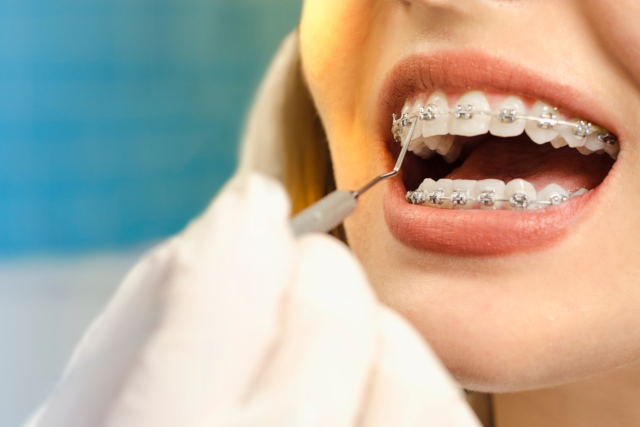
    Braces are not just for children and teenagers. In fact, braces are for anyone with crooked teeth, crowded teeth, overlapped teeth, or gaps between the teeth. And, yes, even adults can benefit from braces! If you have been considering getting braces, it may be time to schedule a consultation. At your consultation, your dentist will have your teeth assessed and determine whether or not a brace is right for you. It is also a good time to ask any questions you may have about how braces work and what you can expect if you decide to have braces.

    No one likes the thought of braces, but for some, the benefits far outweigh the negatives. Braces can be valuable for treating many different orthodontic conditions, including overcrowded teeth, underbite, overbite, and crooked teeth. Braces work by applying pressure to the teeth to move them into their proper position slowly. Patients are often encouraged to wear braces for anywhere from 1 to 12 years, depending on the severity of the challenge.

    While most people associate them with straightening teeth, they also offer several other advantages. They can provide extra support to weaker teeth, help correct bite problems, and even make teeth appear longer or more evenly spaced. Over time, these improvements not only enhance the look of a smile but can also contribute to better oral health by making teeth easier to clean and reducing strain on the jaw.

    What Is a Brace?

    The brace is a dental device used to fix or adjust the position of teeth. Braces are used mainly for fixing tooth gaps, protruding teeth, and crooked teeth. Braces are the most used method to straighten teeth and are worn on teeth for a fixed period.

    These devices work by moving teeth gradually, using a combination of brackets and wires to guide them into their ideal positions. Brackets are attached to each tooth, and these are connected and controlled by a series of wires. The wires are held in place by elastics—small pieces of rubber that stretch and contract, pulling and pushing on the wires and brackets to move the teeth into desired positions. Experienced clinics like Level Orthodontics and similar others, ensure these treatments are customized for each patient, providing effective and precise results.

    Why do You Need a Brace?

    Braces are a common treatment for misaligned teeth, but they have come a long way as painful metal brackets and wires since their early days. They now incorporate materials like ceramic brackets and wires that wear like metal braces but are less noticeable. Providers of braces in Fremont (or elsewhere) can even offer personalized treatment plans, guiding patients through options that straighten teeth effectively while matching their lifestyle and aesthetic preferences.

    While often linked to crooked teeth or jaw issues, braces serve many purposes beyond appearance. Metal braces, made from stainless steel and shaped into precise patterns, work gradually to shift teeth into their ideal positions. Over time, they help correct bites, improve alignment, and support overall dental health, making them an effective solution for both functional and aesthetic concerns.

    The type of braces a person needs depends on their specific dental issue, and choosing the right option requires professional consultation. Thus, before making a decision, it’s essential to visit philadelphia family dental services, or a similar center elsewhere. A skilled dentist or orthodontist can assess the condition, recommend the best course of treatment, and ensure that you receive the right solution.

    How Long does it Take to Use Braces?

    Every tooth in the mouth is affected when someone has braces. Braces work on all the teeth-except the roots. The roots are in your jawbone. Although they will be touched, they are mostly hidden from sight. So, your braces might hurt more at first. But your teeth will move a lot faster if you do. Your orthodontist will make sure your teeth and gums are healthy before putting braces on you. And, once the braces are on, you need to be careful to use them properly. That will make the whole process easier and less painful.

    If you are about to wear braces, there are some things you need to know. Braces use special bands that put pressure on your teeth to help move them into better positions. However, braces can take some time to get used to. They work by wearing down and bending the wires as your teeth move or shift. This movement can require adjustment, and your dentist may recommend having your braces tightened after some time. For those looking for a less painful and quicker alternative, Invisalign offers a discreet option. While both treatments work by applying pressure to move teeth, Invisalign uses clear, removable aligners, making it easier to maintain oral hygiene and more comfortable overall. You can contact your desired Invisalign Provider for more information.

    Why Is It Important to Wear Braces?

    Those who are inspired to wear braces do so for any number of reasons. Perhaps they want to straighten out crooked teeth. Or they might have a bad bite that is driving them crazy. Whatever the reason may be, the important thing is they wear braces if you like the way you look and have the right teeth in the first place!

    It has been a generally accepted fact that wearing braces is an effective means to straighten your teeth. However, there have always been concerns about whether braces are good for your health or not. Of course, while braces are meant for correcting crooked and even misaligned teeth, they also affect one’s dental health in the long run. Wearing braces can rectify these problems, allowing you to speak, eat, and smile confidently.

  • What is a Legal Marijuana Card?

    What is a Legal Marijuana Card?

    Welcome to the world of legalized marijuana, where cannabis enthusiasts can obtain a legal marijuana card for medical or recreational use. With this card, you are granted access to purchase and consume cannabis products without fear of legal repercussions.

    But what exactly is a legal marijuana card? How do you get one? And what benefits does it offer users? In this blog post, we will explore everything you need to know about obtaining and using a legal marijuana card in different states across the US.

    So sit back, relax, and let’s dive into the world of green!

    How to Get a Legal Marijuana Card

    To get a legal marijuana card, you must first obtain a written recommendation from a licensed medical doctor. Once you have the recommendation, you can then apply to your state’s health department. If you are approved, you will be issued a medical marijuana card that will allow you to purchase cannabis from a dispensary.

    The process of obtaining a medical marijuana card can vary from state to state, so it is important to research the specific requirements for your area. Generally, you will need to provide proof of residency and identity, a doctor’s recommendation, and possibly a fee. Some states may also require you to complete an educational program or take an exam before issuing the card.

    Pros and Cons of Having a Legal Marijuana Card

    There are both pros and cons to having a legal marijuana card. On the plus side, having a card allows you to possess and use marijuana legally. This can be helpful if you need it for medical reasons or simply want to avoid any legal hassles.

    On the downside, cards can be expensive and difficult to obtain in some areas. Additionally, not everyone who uses marijuana will necessarily want or need a card. Ultimately, the decision of whether or not to get a card is up to the individual.

    How to Use a Legal Marijuana Card

    If you want to use marijuana for medicinal purposes, you will need to get a legal marijuana card. This card will allow you to purchase and use marijuana from dispensaries.

    To get a legal marijuana card, you will need to have a medical condition that has been approved for treatment with marijuana. You will also need to get a recommendation from a doctor. Once you have these things, you can apply for a card through your state’s Department of Health.

    Once you have your legal card, you can use it to purchase marijuana from a dispensary. Dispensaries are medical marijuana stores that sell cannabis products. When you go to a dispensary, you will be asked for your legal card and ID. You should also have a list of the products you want to buy. Dispensaries may also require proof of residency in the state where the marijuana is being purchased.

    When you purchase marijuana at a dispensary, make sure that you keep all of your receipts and store them in a safe place. This will help you keep track of what kind of product you purchased, how much it cost, and when it was purchased. This information can come in handy if there are ever any questions or disputes about your purchase.

    Finally, remember that even with a legal marijuana card, there are still laws governing how much cannabis can be possessed and used by individuals. Make sure to check with your state’s laws before using marijuana so that you are following all applicable rules and regulations.

    Where to Get a Legal Marijuana Card

    A legal marijuana card is an identification card that allows a person to purchase, possess, or grow cannabis for personal use. For those interested in cultivating their own cannabis, can search for platforms like Multiverse Beans, or similar other ones, for high quality seeds. However, it can be important to obtain the card first, as well as to understand the regulations regarding home cultivation in your state to stay compliant with the law. The card is issued by the state in which the person resides and is valid only in that state. There are a few states that have not legalized marijuana, so it is important to check the laws of your state before applying for a card.

    To get a legal marijuana card, you must first get a recommendation from a licensed doctor. The doctor will need to assess your medical condition and determine if you would benefit from the use of cannabis.

    Once you have received a recommendation, you can then apply for a card through your state’s health department. Some states require that you undergo a background check and fingerprinting as part of the application process. After your application has been approved, you will be issued a card that is valid for one year.

    A legal marijuana card is an important document that can enable its holder to legally access and purchase medical cannabis from licensed dispensaries. It is crucial for individuals who require medical cannabis to consult with their doctor before attempting to obtain a legal marijuana card, as it will help ensure they are taking the necessary steps toward obtaining safe and responsible access to the medicine they need.

    For those lucky enough to be authorized for a marijuana card, we hope this article has helped explain what it is used for and how you can go about getting one in your region.

  • Weighing the Pros and Cons of Legalizing Marijuana

    Weighing the Pros and Cons of Legalizing Marijuana

    Welcome to a topic that has been the subject of intense debate for years – marijuana legalization. With more and more states legalizing marijuana for both medicinal and recreational use, it’s time to weigh up the pros and cons of this controversial drug.

    From reducing crime rates to potential addiction problems, there are many sides to this issue. So, let’s dive in and explore what’s at stake when we consider whether or not marijuana should be legalized on a national level.

    The Different Types of Marijuana

    Marijuana comes in many different forms, each with its own set of pros and cons. Here are some of the most popular types of marijuana:

    1. Flower

    Flower is the traditional form of marijuana, and is typically smoked using a pipe or bong. It can also be vaporized using a special device designed for this purpose. The main advantage of the smoking flower is that it provides the fastest onset of effects, which can help treat conditions like pain or anxiety. However, the smoking flower can also be harsh on the lungs and can potentially lead to respiratory problems.

    2. Edibles

    Edibles are food items that have been infused with marijuana extract. They are typically much more potent than flowers, meaning that they can provide longer-lasting effects. However, they can also take longer to kick in (up to two hours), which can be difficult to manage if you’re trying to treat a sudden onset condition like pain or anxiety.

    3. Oils

    Marijuana oils are extracts that contain high levels of THC or CBD. They can be taken orally, used in vaporizers, or applied topically. Oils provide many of the same benefits as edibles, but with even more potent effects. However, they can also be very expensive and difficult to find in some areas.

    4. Topicals

    Topical products infused with marijuana extract are applied directly to the skin. They are typically used to treat localized conditions like pain or inflammation.

    5. Tinctures

    Tinctures are extracts that are taken orally, usually under the tongue. They provide a fast-acting solution for conditions like pain or anxiety but tend to be less potent than edibles or oils.

    No matter which type of marijuana you choose, it’s important to start with a low dose and work your way up until you find the right amount for your needs. Different types of marijuana can provide different effects, so experimentation is key to finding the best one for you.

    The Health Benefits of Marijuana

    There are several potential health benefits associated with marijuana use. These include:

    1. Pain Relief: Marijuana is effective in treating a variety of chronic pain conditions, including arthritis, cancer pain, and nerve pain.
    2. Anxiety Relief: Cannabis has long been used as a treatment for anxiety and panic disorders.
    3. Appetite Stimulation: Marijuana can increase appetite and help with weight gain in those who need it, such as cancer patients undergoing chemotherapy.
    4. Nausea Relief: Cannabis is an effective anti-nausea medication and can be helpful for cancer patients undergoing chemotherapy or other treatments that cause nausea.
    5. Neurological Protection: Marijuana use has been linked with a reduced risk of developing Alzheimer’s disease and other forms of dementia. THC, the main psychoactive compound in cannabis, has been shown to protect brain cells from damage caused by inflammation and oxidative stress.
    6. Improved Sleep: Cannabis helps treat insomnia and other sleep disorders.
    7. Anti-inflammatory Effects: Cannabinoids have been shown to reduce inflammation in the body, which can help with conditions like lupus and Crohn’s disease.
    8. Reduced Risk of Cancer: Studies have suggested that cannabis use may reduce the risk of certain types of cancer, such as lung and prostate cancer.

    The Pros of Legalizing Marijuana

    There are many pros to legalizing marijuana. One of the most significant pros is that it would generate a lot of revenue for state and local governments. Taxing marijuana could bring in much-needed money to help fund schools, roads, and other public services. Legalizing marijuana would also create jobs in the legal cannabis industry. This would be a boon for the economy, as well as for individual workers.

    Another pro of legalizing marijuana is that it would take the drug out of the hands of criminals and into the hands of regulated businesses. This would make it safer for people to obtain and use marijuana, as they would know exactly what they were getting. Additionally, it would allow law enforcement to focus on more serious crimes.

    Many people believe that marijuana has medicinal benefits. If it were legal, patients who could benefit from its use would have easier access to it. Additionally, researchers would be able to study marijuana more easily, which could lead to new medical breakthroughs.

    Overall, there are many good reasons to legalize marijuana. It could help boost the economy, make communities safer, and improve public health.

    The Cons of Legalizing Marijuana

    Marijuana is often heralded as a harmless drug, but there are many potential drawbacks to legalizing it. One of the biggest concerns is that marijuana can be a gateway drug. Studies have shown that people who use marijuana are more likely to go on to use other, more dangerous drugs.

    Another downside to legalizing marijuana is that it would make the drug more accessible to young people. Currently, minors have a hard time getting their hands on marijuana. But if it were legal, it would be much easier for them to obtain it. This could lead to increased use among teenagers and young adults, which could in turn lead to more health and behavioral problems.

    It’s also important to consider the negative effects of marijuana on the user’s health. The drug can cause anxiety and paranoia, and studies have linked it to an increased risk of psychotic disorders like schizophrenia. Marijuana smoke contains many of the same harmful chemicals as tobacco smoke, so regular users may be at risk for lung cancer and other respiratory diseases.

    Finally, there’s the issue of drugged driving. If marijuana were legalized, there would likely be an increase in the number of drivers operating vehicles while under the influence of the drug. This would create a danger not just for those drivers, but for everyone else on the roadways as well.

    The Risks Associated With Marijuana Use

    While marijuana use is not without its risks, these risks are often overstated by opponents of legalization. Below we outline some of the potential risks associated with marijuana use:

    1. Short-term memory impairment – One of the most well-known effects of marijuana is its impact on short-term memory. However, this effect is typically only temporary and disappears once the individual stops using marijuana.
    2. Increased anxiety – Some individuals may experience increased anxiety levels when using marijuana, particularly if they are new to its use or have a history of anxiety disorders. However, this effect is typically mild and goes away once the individual becomes more accustomed to using marijuana.
    3. Impaired coordination – Marijuana can impair an individual’s coordination, which can lead to accidents or injuries. This effect is usually temporary and fades as the individual sobers up.
    4. Paranoia – Some people may experience paranoia or delusions when using marijuana, especially if they are new to its use or have a history of mental illness. However, this effect is typically mild and goes away once the individual stops using marijuana.

    Weighing the pros and cons of legalizing marijuana is an incredibly complex conversation that involves both moral and legal implications. Everyone needs to consider the potential ramifications of making this substance available on a larger scale, especially when it comes to our youth.

    In evaluating whether or not the benefits of legalization outweigh any risks, we must keep in mind that marijuana has been used medicinally for centuries and many states have already successfully implemented laws regulating its use.

    Ultimately, it will be up to each state legislature to decide if they deem marijuana safe enough for their residents and whether or not they feel comfortable with such legislation.

  • Exploring the Different Types of Mental Health Problems

    Exploring the Different Types of Mental Health Problems

    Mental health problems affect millions of people worldwide, yet they remain one of the most misunderstood and stigmatized conditions. From anxiety to sex addiction, bipolar disorder to schizophrenia, mental illnesses can take many forms.

    Mental illnesses can present themselves in various forms, impacting individuals across their personal, social, and professional domains. For example, consider sex addiction; individuals grappling with this condition may find their heightened libido not only distracts them during work or responsibilities but also has adverse effects on those in their immediate surroundings. This is particularly significant for the partners of sex addicts, who often grapple with a multitude of emotions including guilt, shame, confusion, betrayal, and anger. Additionally, they may experience feelings of loss and abandonment, which can potentially lead to depression and other mental health challenges.

    Given the wide range of symptoms and underlying causes of mental health issues, it’s crucial to have a grasp of the various types of these disorders. In this blog post, we’ll delve into some of the most prevalent mental health conditions, offering valuable insights into their effective management and treatment. So, without further ado, let’s get started!

    Anxiety Disorders

    Anxiety disorders are the most common type of mental health problem. They can cause a range of symptoms, including feeling anxious, stressed, or scared, and can make everyday activities feel difficult.

    There are different types of anxiety disorder, including Generalized Anxiety Disorder (GAD), Panic Disorder, Social Anxiety Disorder (SAD), and specific phobias. Symptoms can vary from mild to severe and can be short-lived or long-lasting.

    If you experience anxiety, you could do a couple of things to manage it better. First, you could try out breathing techniques that shift your focus to abdominal breathing movements, which can allow you to experience some tranquillity in your mind. Then, you could also avail certain marijuana strains from a cannabis dispensary Emeryville or an e-store to consume when the anxiety sinks in. These two methods should ideally help you decompress and bring yourself back to normalcy.

    However, if your anxiety reaches severe levels, it’s important to see your GP for diagnosis and treatment. There are a number of effective treatments available, including talking therapies and medication. Plus, with the option to consult with a recovery coach specialist, such as those available at goal coach, who can help you bring together all the support you need and track progress towards your recovery goals, you can make significant strides in your mental health journey. With the right support, most people with an anxiety disorder can manage their symptoms and lead a full and fulfilling life.

    Mood Disorders

    Mood disorders are mental health conditions that involve a change in mood. The most common types of mood disorders are depression and bipolar disorder.

    Depression is a mental health condition that is characterized by a persistent feeling of sadness or emptiness. People with depression may also experience other symptoms, such as fatigue, insomnia, or difficulty concentrating. Depression can interfere with a person’s ability to work, study, eat, and sleep.

    Extreme mood swings are a hallmark of the mental condition known as bipolar disorder. Bipolar disorder patients may experience mood swings from being extremely happy or ecstatic to being extremely sad or depressed. Bipolar disorder can interfere with a person’s ability to function in day-to-day life.

    Personality Disorders

    There are a variety of different personality disorders that can affect individuals. These disorders can range from mild to severe and can impact an individual’s ability to function in society. Some of the more common types of personality disorders include:

    • Borderline Personality Disorder: Individuals with this disorder often have difficulty regulating their emotions. They may experience intense mood swings and may engage in impulsive or risky behaviors.
    • Narcissistic Personality Disorder: Individuals with this disorder exhibit an inflated sense of self-importance, and require excessive admiration from others. They may be preoccupied with success, power, and beauty.
    • Antisocial Personality Disorder: Individuals with this disorder often disregard the rights of others, and may engage in criminal or manipulative behavior. They may be callous and unemotional, and often have a history of substance abuse.

    Eating Disorders

    Eating disorders are a type of mental health problem where someone has an unhealthy relationship with food. This can involve overeating or undereating and can be a way of coping with other problems in their life. Eating disorders can lead to serious health problems, both physically and mentally. If you think you might have an eating disorder, it’s important to get help from a doctor or therapist.

    Trauma and Stressor-Related Disorders

    Trauma and stressor-related disorders are a group of mental disorders that are characterized by symptoms that occur after exposure to a traumatic or stressful event. These disorders can include posttraumatic stress disorder (PTSD), acute stress disorder, and adjustment disorder.

    Symptoms of trauma and stressor-related disorders can include flashbacks, nightmares, anxiety, depression, irritability, and difficulty concentrating. These symptoms can interfere with a person’s ability to function at work or school and can cause problems in relationships.

    Trauma and stressor-related disorders are treatable with psychotherapy, medication, and support from family and friends. If you or someone you know is experiencing symptoms of a trauma or stressor-related disorder, please seek professional help.

    Understand Mental Illnesses to Get the Help You Need

    Mental health issues are incredibly common, yet often misunderstood or ignored. We hope that this article has been informative in helping you better understand the different types of mental health problems and how to recognize signs when it may be time to seek help from a professional.

    While there is still much we don’t know about these conditions, it is important to remember that they can affect anyone and should not be taken lightly. With the right support, resources, and help from those around us, we can learn more about mental health issues and work towards creating a healthier society for everyone.

  • The Connection Between Mind & Body Health: Tips for Achieving Balance

    The Connection Between Mind & Body Health: Tips for Achieving Balance

    Are you feeling tired, stressed, or overwhelmed? It’s time to pay attention to the connection between your mind and body health. Achieving balance is essential for leading a healthy and happy life. In this blog post, we’ll share tips that will help you achieve harmony between your physical and mental well-being. You’ll learn how simple lifestyle changes can have a significant impact on your overall health, mood, and energy levels. So let’s dive in!

    The Connection Between Mind and Body Health

    It is widely accepted that there is a connection between mind and body health. This connection has been studied extensively and shown to have a significant impact on overall health and well-being. The mind-body connection is complex, but there are a few key points that are important to understand.

    First, the mind and body are interconnected and influence each other. This means that our thoughts, emotions, and behaviors can affect our physical health and vice versa. For example, chronic stress can lead to physical health problems like high blood pressure and heart disease. Conversely, physical issues can lead to mental health problems like anxiety and depression. So, you ought to address the issues you’re dealing with. If it is something like fatigue, you could allow yourself a full body massage from a reputed massage therapist in your area. Regular massages can lower stress levels and release tension from your muscles. However, if it is something more elaborate, like an illness, you ought to have it assessed by a medical professional.

    Second, mind-body interventions (MBIs) are effective ways to promote mind-body balance. MBIs are activities or techniques that help us become more aware of the mind-body connection and learn how to control it. Some examples of MBIs include yoga, meditation, Tai Chi, and Qigong.

    Third, achieving a balance between mind and body requires effort and commitment. It’s not something that will happen overnight – it takes time, patience, and practice. But it’s worth it! Achieving balance leads to improved physical health, mental well-being, and overall quality of life.

    What Factors Impact Mind and Body Health?

    There are many factors that can impact mind and body health. Some of these factors include diet, exercise, sleep, stress, and environment. By making healthy choices in these areas, you can help to improve your overall mind and body health.

    1. Diet: Eating a healthy diet is important for both your physical and mental health. Make sure to eat plenty of fruits, vegetables, whole grains, and lean protein. Avoid processed foods, sugary drinks, and excessive amounts of caffeine or alcohol. Unlike a nutrient-rich diet, bad eating can not only cause you weight gain and cardiovascular issues, but can also hinger your body’s function over time.
    2. Exercise: Exercise is not only good for your physical health but also your mental health. It can help to reduce stress levels, improve sleep quality, and boost mood. Aim for at least 30 minutes of moderate-intensity exercise most days of the week.
    3. Sleep: Getting enough sleep is crucial for both your physical and mental health. A lack of sleep hygiene can hinder your cognitive function, reduce your energy levels, and affect your mood too. Most adults need 7-8 hours of sleep per night. If you have trouble sleeping, try to establish a regular sleep schedule and create a relaxing bedtime routine. You could also take up some prescribed sleep supplements like melatonin gummies, which could help you fall asleep quicker and better.
    4. Stress: Too much stress can take a toll on your mind and body health. Try to find ways to manage stress through methods such as yoga, meditation, or journaling. Also, allow your mind and body some relaxation, perhaps with the help of alternative options such as cannabis. You could avail certain potent strains for relaxation at a dispensary near you, or opt for an Oakland weed delivery, if that’s where you live. Regardless of the approach you take, you should ensure that it is a method that suits you, so that it is a more seamless release of stress.
    5. Environment: The environment you live in can also impact your mind and body health. Make sure you live in a safe and clean home environment. Spend time outside in nature whenever possible.

    How to Achieve Balance Between Mind and Body Health

    What we think, feel, and believe can directly impact our physical health. Likewise, the state of our physical health can influence our mental and emotional well-being. This is why it is so important to find a balance between mind and body health.

    There are a number of ways to achieve a balance between mind and body health. One of the most important things you can do is to pay attention to your thoughts, feelings, and beliefs. If you find yourself constantly worrying or feeling down, take some time to focus on positive thinking and self-care.

    Mental and emotional issues stemming from stress and anxiety or worrying can be addressed by going to therapy, talking to friends and family, or taking the appropriate medication. Some healthcare professionals may also recommend finding a good thca concentrate online and trying it out to see how it improves your health. Additionally, make sure to schedule time for relaxation and fun activities that bring you joy.

    Physical activity is also key. Exercise not only benefits our physical health, but it can also help reduce stress, improve mood, and increase energy levels. Make sure to find an activity that you enjoy and that fits into your lifestyle so that it becomes a regular part of your routine.

    Nutrition is another important piece of the puzzle when it comes to achieving a balance between mind and body health. Eating nutritious foods helps our bodies function at their best while providing the fuel we need to power through our day-to-day activities. Conversely, unhealthy eating habits can lead to fatigue, low energy levels, and poor overall health. Be sure to nourish your body with plenty of fresh fruits, vegetables, whole grains, lean proteins, and healthy fats.

    Exercise Tips for Mental and Physical Wellness

    Achieving a balance between mental and physical wellness can seem like a daunting task, but there are some small changes you can make to your routine that can have a big impact. Here are a few tips:

    1. Get moving: Exercise is not only good for your physical health, but it can also improve your mental well-being. A moderate amount of exercise has been shown to reduce stress, improve mood, and increase energy levels.
    2. Make time for yourself: In the pursuit of a balanced and healthy lifestyle, it’s crucial to carve out time each day for activities that bring joy and foster well-being. Incorporating a yoga practice into your routine can be a transformative experience. Whether you choose to attend a yoga class or engage in a personal practice, yoga offers a harmonious blend of physical exercise, mental relaxation, and spiritual grounding. This intentional pause in your day not only contributes to physical health but also promotes overall balance and a sense of holistic well-being.
    3. Connect with others: Spending time with loved ones or close friends can help reduce stress and promote positive emotions. If you don’t have close friends or family nearby, consider joining a club or group that aligns with your interests.
    4. Be mindful: mindfulness is the practice of being present at the moment and observing your thoughts and emotions without judgment. Mindfulness has been shown to reduce stress, improve mood, and increase focus and concentration.
    5. Get enough sleep: Sleep plays an important role in both physical and mental health. Most adults need 7-8 hours of sleep each night for optimal health. If you’re having trouble sleeping, try making some changes to your sleep habits, such as avoiding caffeine before bed and establishing a regular routine.

    So, it’s clear that mind and body health are inextricably linked. Taking care of your physical health can have a profound effect on your mental well-being while looking after your mental health can help to improve overall physical fitness. Incorporating stress-relieving activities into your routine, such as yoga or meditation, and maintaining an active lifestyle through regular exercise should be enough to ensure both mind and body balance is achieved.

  • Aerobic Exercise: Tips for Beginners and How to Get Started

    Are you ready to take the first step toward a healthier lifestyle? If so, aerobic exercise is an excellent place to start! Whether you’re looking to improve your cardiovascular health, lose weight, or feel better overall, incorporating aerobic activities into your routine can help. 

    But it can be overwhelming if you’re new to working out or need help figuring out where to begin. That’s why we’ve put together this guide with tips for beginners and advice on how to get started with aerobic exercise. So let’s lace up our sneakers and dive in!

    What is Aerobic Exercise?

    Aerobic exercise is any physical activity that raises your heart rate and breathing. It is also known as cardiovascular exercise because it helps to improve the health of your heart and lungs.

    There are many types of aerobic exercise, but some of the most popular include walking, running, cycling, swimming, and dancing. Aerobic exercise can be done for a short period at a high intensity (known as HIIT), or it can be done for a more extended period at a lower power.

    Benefits of Aerobic Exercise

    Aerobic exercise has many benefits for your overall health and well-being. Regular aerobic exercise can help to:

    • Reduce your risk of heart disease
    • Manage your weight
    • Lower your blood pressure
    • Improve your cholesterol levels
    • Strengthen your bones and muscles
    • Improve your mental health and mood
    • Increase your energy levels
    • Reduce stress
    • Improve your sleep quality

    How to Get Started with Aerobic Exercise

    Starting an aerobic exercise routine can be daunting, but it’s important to remember that everyone has to start somewhere. The key is to find an activity you enjoy and can sustain for an extended period.

    Once you’ve found an activity that you enjoy, there are a few things you need to keep in mind to get the most out of your workout. First, it’s essential to warm up before you start your aerobic activity. This will help prevent injury and help your muscles prepare for the training. A simple warm-up could involve walking for a few minutes or light stretching.

    Second, it’s essential to maintain a consistent pace throughout your workout. This means going easy initially and then tapering off as you get tired. If you can’t sustain a constant rate, it’s better to slow down and go for longer rather than trying to push yourself too hard and not being able to finish.

    Finally, remember to cool down after your workout. This will help your body recover and will also help prevent soreness the next day. A cool-down could involve walking for a few minutes or light stretching.

    By following these tips, you’ll be well on your way to starting (and sticking with) an aerobic exercise routine!

    Tips for Beginners

    Aerobic exercise is a great way to improve your health and fitness. However, it can be daunting if you are a beginner. Here are some tips to help you get started:

    1. Choose an activity that you enjoy. There are many different types of aerobic exercise, so it is essential to find one that you will stick with. If you enjoy running, consider joining a local running club or taking up jogging as aerobic exercise.
    2. Set some goals. Having specific goals will help to motivate you and keep you on track. Decide how often you want to exercise and what activities you want, and set a goal for yourself, such as completing a 5K race or losing a certain amount of weight.
    3. Start slowly. Don’t try to do too much too soon, or you will quickly become discouraged. Begin with just a few minutes of exercise each day and gradually increase the time as you become fitter.
    4. Get some support. Having someone to help motivate and encourage you when starting an aerobic exercise program can be helpful. Ask a friend or family member to join you in your activities or sign up for a class at the gym with a buddy.

    Common Mistakes to Avoid When Doing Aerobic Exercise

    1. Avoiding a warm-up: Getting your body warmed up is essential before you start your aerobic exercise routine. A simple introduction of 5-10 minutes of light activity will help prepare your muscles and joints for the workout.
    2. Going too hard, too soon: When starting an aerobic exercise program, it’s important to ease into things gradually. If you go too hard at first, you’ll quickly become exhausted and may even injure yourself. Start slowly and gradually increase the intensity of your workouts as your fitness level improves.
    3. Not cooling down: Just as it’s essential to warm up before exercising, it’s also important to cool down afterward. A cool-down period of 5-10 minutes of light activity will help your body recover from the workout and prevent injuries.
    4. Skipping workouts: Consistency is vital when improving your fitness level with aerobic exercise. Skipping workouts or taking too many days off will only set you back in your progress. Try to exercise at least 3-4 times per week for the best results.
    5. Doing the same thing every time: If you do the same aerobic workout routine every time you exercise, your body will quickly adapt, and you’ll stop seeing results. To avoid this, mix things up and keep your body guessing by varying the type, intensity, and duration of your workouts regularly

    Starting an aerobic exercise routine can seem intimidating, but with some research and dedication, it doesn’t have to be. We hope our tips for beginners have shown you that there are many ways to get started with aerobic exercises and stay motivated on the journey. 

    With plenty of options, from low-impact activities like walking or swimming to more intensive exercises such as running or HIIT workouts, you will find something that suits your lifestyle. So don’t wait any longer – start today and see what a difference regular aerobic exercise can make!


  • Mental Health: What It Is, And How To Cope

    Mental Health: What It Is, And How To Cope

    Mental health is a complex issue that we have historically not found easy to talk about. The fact is, we’ve been conditioned to think of mental health as something that’s only talked about in hushed tones, or in times of crisis – so it can be difficult for people to know what the symptoms of a mental health episode look like and how best to approach someone who might need help. But it might be time for a change because according to recent statistics, 45% of Americans are experiencing some kind of mental illness at any given time.

    What Is Mental Health?

    Mental health refers to your overall state of mind, which can vary from day to day and from moment to moment. It can include feelings of happiness, sadness, stress, anxiety, and depression. Mental health also includes your ability to think, feel, and behave effectively – both inside and outside of relationships.

    There is no single cause for mental health problems, but they can often be traced back to a combination of biological and environmental factors. Environmental factors include childhood experiences and living situations while biological factors include genes and hormones. Researchers have identified various genes that may impact mental health outcomes. Variations in these genes likely interact with life experiences to contribute to conditions like anxiety, depression, and bipolar disorder.

    Advances in genetic testing now allow doctors to screen patients for certain genetic markers that indicate a higher risk of developing mental illnesses. For example, methylation genetic testing can detect mutations in genes that make individuals more vulnerable to stress and trauma. Identifying these gene mutations early could allow for preventative treatment and lifestyle changes to minimize the chance of triggering an illness. Genetic knowledge empowers patients and doctors to be proactive regarding mental healthcare.

    Remember: You are not alone.

    Mental Illness

    Mental illness is a broad term that describes a wide range of conditions, including depression, bipolar disorder, schizophrenia, and anxiety disorders. Each condition has its own set of symptoms, which can vary greatly from person to person.

    How To Cope

    Mental health is one of the most important topics to discuss when it comes to coping with stress. Too often, people don’t know what to do when they experience mental health issues, and they end up bottling them up or suffering in silence. Here are some tips on how to cope with mental health problems:

    • Talk about it. The first step is to talk about your feelings with someone you trust. This could be a family member, friend, or partner that you may have. It can be really helpful to share your thoughts and feelings with someone who will understand them.
    • Seek help. If you feel overwhelmed with emotions to the point where it affects your day-to-day life, you ought to seek help from professionals. With a little bit of research, you should be able to find affordable and cheap online therapy uk, if that’s where you’re at. Else, there is an option of finding a counselling therapist nearby too. The aim is to address your issues with a professional who could give you insight and perspective into what you’re going through and what you can do to manage it.
    • Stay positive. It’s easy to get caught up in negative thoughts when you’re dealing with mental health issues. But remember that there is always hope and a light at the end of the tunnel. Keep your head high and stay positive even when things seem tough.
    • Be patient. Don’t expect everything to happen overnight – it might take some time for your symptoms to go away completely. And don’t hesitate to ask for help if you need it – there are plenty of resources available if you need them.
    • Try medication. Talking to a mental health professional and getting anti-depressants from them could be a good idea. Furthermore, you could also implore them for alternative forms of medicine such as cannabis products found at https://thedispensary.com/ or other forms of reliable medication that you may come across.
    • Get active! Exercise has been shown to have a number of benefits for both physical and mental health, including reducing anxiety and stress levels. If you find it difficult to stick to a routine, try taking a walking or yoga class instead – both will help improve your mood and increase energy levels throughout the day.

    Common Mental Health Issues

    Depression is the most common mental health issue in the United States, affecting more than 17% of adults. It’s also one of the most treatable conditions. Other common mental health issues include anxiety disorders, bipolar disorder, obsessive-compulsive disorder (OCD), and schizophrenia.

    What Can I Do If I Have A Mental Health Issue?

    If you or someone you know is grappling with a mental health issue, numerous resources are accessible to offer support. Seeking professional help from a psychiatrist through telapsychiatry or similar online services can be highly effective in managing symptoms and enhancing overall quality of life.

    In addition to professional help, there are self-help groups and support networks that offer valuable assistance. If seeking professional help feels challenging, alternative options like medication or self-care techniques such as meditation or yoga are available. Regardless of the path chosen, openly discussing your struggles with loved ones is crucial; their support can be instrumental during challenging times. Remember, there is a range of resources and approaches to help you navigate and improve your mental well-being.

    Who Needs Mental Health?

    Mental health is a term used to describe the state of mind or emotional well-being. It can be considered an umbrella term that includes things like depression, anxiety, and bipolar disorder. There are many different types of mental health, but all of them require treatment in order to improve the individual’s quality of life.

    No one person needs mental health care alone. However, people with mental illness often need help from friends and family members as well as professionals such as therapists or psychiatrists. Friends and family members can provide support by listening carefully and providing practical assistance such as cooking dinner or driving the person to appointments. Professionals can provide support by helping the person to understand their diagnosis and develop a treatment plan.