Category: Blogging

  • Settling Outstanding Finances of a Lost Love One: Why Final Expenses Insurance Helps

    Settling Outstanding Finances of a Lost Love One: Why Final Expenses Insurance Helps

    If you are in a relationship that has ended, you may wonder how much of your finances the other person will get. This is a concern of many couples. It can be a stressful time, and emotions may run high. You want to go in with hard facts and figures.

    The biggest fear at the end of a relationship is of losing things you value most. If you are no longer with your ex-partner, you may be wondering what you will do with all your assets. Unlike most things, money is not easy to wash out of your life completely, even if you are no longer financially linked to the other person. In other words, you may still have some assets remaining, and hence, you might need to decide what to do with them. In addition, if you bought something jointly (for example, furniture, jewelry, and cars) you might need to compensate for that. In the worst case, breaking up with your partner may also expose you to the loss of certain assets that you did not buy together. 

    You don’t have to be in a relationship with someone long to fall out of love with them. The last costs you incur when a relationship ends are among the largest financial burdens associated with being in a relationship. It can be challenging to know what to do and who to call if a relationship starts to go south. However, if you have final expenses insurance, you would most likely know your options. That way, you’d be able to make the final arrangements without any problem.

    When you lose a loved one, your losses can be overwhelming. But because of the way life insurance works, most people don’t think about what they’re going to do when they find out they’ve lost a loved one. They don’t think about what their finances will look like in a year or two or how they’re going to make it through. The reality is most people will have to make it through some serious financial challenges if their loved one dies.

    While a lot of people are familiar with the idea of life insurance, they don’t always understand the different types of policies and how they can help protect their loved ones. It is a very important topic that can hover in the back of your mind and affect your decision, so it’s crucial to understand the ins and outs of this type of coverage.

    When you know someone is leaving your life forever, final expenses are an important part of the process. Losing a loved one or friend is never an easy thing to do. However, when the task of settling their accounts and final expenses becomes a necessary step in the grieving process, it becomes a tiresome task.

    Many believe that final expense insurance is not a good idea because they think it is too complicated. Well, the reality is that this type of insurance is not that complicated. Basically, a final expense policy is a type of insurance policy that covers the expenses you may incur due to the death of a loved one. The money you pay for a final expenses policy is usually a set amount per month. In general, final expenses insurance is sold as a one-time or monthly premium with a particular amount. You can also buy a final expense policy for a set period of time.

    We are often scared of what we don’t know, but we are afraid of what we do know. That is why it is sometimes hard to see the forest through the trees. For example, most of us know that having our life savings tied up in a gold brick is not good. But going through the trouble of liquidating it and exhausting all of your savings is something that many don’t want to do.

    It is not uncommon to be saddened by the loss of a loved one. One of the hardest things about death is the cost it brings with it. While loved ones struggle to handle the financial burden, it can be difficult to estimate the cost of death.

    Determining the outstanding financial obligations of a lost loved one can be time-sensitive, as you don’t want them to waste any time in cashing out your life insurance policy. If your loved one has died because of a life insurance policy, they will have to settle their outstanding financial obligations before the money can be paid out to you.

  • CBD Cream for Pain: Do You Have Any CBD Topical Cream Questions?

    CBD Cream for Pain: Do You Have Any CBD Topical Cream Questions?

    Whether your reason for turning to CBD is pain, inflammation, or anxiety, there are plenty of ways to consume it. Did you know there are also countless ways to use CBD topically? CBD topical creams, salves, and ointments-both in pure CBD extracts and in combination with essential oils and other cannabinoids-are some of the most popular ways to use CBD.

    When most people hear the term “CBD cream,” they likely start thinking of cannabis, a marijuana plant. While cannabis also contains CBD, the marijuana plant also contains THC (the active ingredient in marijuana). CBD is the non-psychoactive compound found in marijuana and hemp products. Though it’s also found in many other plants, marijuana and hemp products are considered safe, high-quality sources of CBD. Trusting these products as anxiety cream or cream for pain is the smarter choice, especially if you were thinking of trying marijuana “pain cream” or “anxiety cream.”

    Some CBD Topical Cream Questions:

    What Types of CBD Topical Creams Are Available?

    CBD, or cannabidiol, is a cannabis compound that is renowned for its ability to relieve pain, reduce inflammation, reduce anxiety, and help sleep. Using CBD topically is a great way to target specific areas of pain or discomfort, like sore muscles, aching joints, headaches, and skin conditions like eczema and psoriasis. CBD topical creams are easy to use and come in wide varieties, including balms, lotions, salves, and creams. Most of these products can be purchased online by looking for local sellers with keywords like cannabis dispensary delivery near me. With the help of search terms, you can get various brand options that will deliver products like CBD gel, pain relief cream, hydrating lotion, THC oil, and more to your doorstep.

    How Effective Is CBD Topical Cream?

    Have you heard of CBD topical creams? These creams contain cannabidiol, also known as CBD, and are made from all-natural plant extract. While CBD has been studied extensively for its medicinal uses, the extent of what it can do is still being studied, so researchers are still unsure about how effective it is for topical use. However, doctors use CBD creams for everything from dry or chapped skin to treating chronic skin conditions such as psoriasis. Since CBD creams are easily available at dispensaries these days, people are interested in finding out more about them, thereby increasing its popularity.

    What Ingredients Are in CBD Topical Cream?

    CBD topical cream is swiftly emerging as a popular solution for various ailments, spanning from muscle pain to arthritis. Derived from hemp, this natural remedy is applied directly to the skin to provide temporary relief. Packed with significant CBD content extracted from non-psychoactive hemp plants, it offers therapeutic benefits without the “high.” You can acquire this product from CBD Wellness and similar dispensaries in your area.

    What Topical Cream Is Best for Your Skin?

    There are many CBD topical creams on the market, each with its own individual benefits. It’s important to note, however, that CBD topicals will not deliver psychoactive effects. And while many people use topical creams to alleviate joint pain and inflammation, CBD topicals are equally useful for relieving your aches, pains, and discomforts in other areas, such as your skin.

    • Cornbread Hemp CBD Lotion, Menthol Formula
    • Naternal Rescue CBD Muscle Cream
    • FAB CBD Topical CBD Cream
    • Extract Labs Muscle Cream
    • CBDfx Muscle & Joint CBD Hemp Cream
    • Aspen Green Muscle Relief Cooling Cream

    How Much CBD Topical Cream Should I Use?

    In order for CBD topicals to work, they must first be absorbed into the bloodstream. This is where the CBD topical cream comes in. The cream is placed on the area where inflammation is present, and the CBD travels directly to the site. If you are using the cream for chronic pain, then 1-2 applications a day are suggested. For swelling, wrap it a few times a day until the swelling subsides. You will need to apply more cream per application for insect bites, stings, and broken skin. 4-6 mg per application is recommended.

    Are CBD Creams Worth Your Time and Money?

    If you’ve ever used a CBD product before, chances are pretty good that you’ve come across CBD creams. These creams are a great way to deliver CBD to your skin since the skin sits below your top layers of skin and gets around 75% of the nutrients that your body absorbs. But whether CBD creams are worth your time and money depends largely on what you’re hoping to achieve.

    Topical cannabidiol (CBD) cream has become a popular way for people with tattoos, bone spurs, or other painful ailments to apply CBD directly to sore spots. The most common way to use CBD topical cream is with a salve roller, but you can also buy it in a tube or in a jar. Because CBD cream is topical, it can’t enter the bloodstream, so it doesn’t produce the euphoric effects of cannabis. Instead, CBD cream is believed to be able to alleviate aches, pains, and anxiety, and assist with muscle relaxation and recovery.

  • Things You Should Know About Urgent Care

    Things You Should Know About Urgent Care

    If you’re part of the 75 percent of Americans without health insurance, navigating healthcare options can be challenging. While it’s true that no health insurance plan covers every doctor visit, some do extend coverage to certain urgent care needs, such as those related to the flu, strep throat, or ear infections. However, for many working Americans who find themselves without this coverage, paying out of pocket for minor doctor’s visits becomes a common scenario. This is where the growing popularity of urgent care centers comes into play, particularly among the uninsured.

    The appeal of urgent care lies in its convenience, offering quick medical attention for minor issues. It’s crucial, though, to understand what to look for in urgent care facilities and how they can be of assistance. Consider this scenario: you sustain a minor leg injury that doesn’t warrant a trip to the emergency room but still requires prompt medical attention. An urgent care facility, equipped with orthopedic doctors, becomes the ideal destination for the care you need. Likewise, if a dental emergency arises, such as a tooth break due to a collision, you can visit an urgent care center. These facilities usually have on-site dentists, like this emergency dentist flower mound, who can provide the necessary treatment. Essentially, urgent care centers serve as a comprehensive solution for all non-life-threatening medical issues, offering a one-stop destination for prompt and efficient care.

    Urgent care clinics are gaining more popularity

    As more Americans choose to go to the emergency room for minor illnesses and injuries, many seek urgent care clinics as an alternative. Urgent care clinics offer immediate care, often at a lower cost, and are an excellent option for treating symptoms and injuries that don’t require a trip to the hospital. Check out Direct Ortho care and other similar clinics to see examples of medical facilities that provide orthopedic care on short notice.

    Urgent care clinics offer on-the-spot treatment without requiring a scheduled appointment, typically for minor illnesses and injuries. It’s important to note that urgent care is distinct from emergency care, focusing on less severe injuries that don’t demand a hospital emergency room.

    These facilities commonly address ailments like strep throat, urinary tract infections, and minor injuries such as sprains or cuts. Many urgent care clinics also provide diagnostic services like X-rays.

    They work closely with distributors like SLI Medical: Medical Supplies to ensure the availability of necessary medical equipment and supplies. This collaboration guarantees that patients choosing to visit urgent care clinics can benefit from timely and comprehensive care.

    Insurance companies often cover visits to urgent care, though the extent of coverage can vary based on the health insurance plan. Generally, opting for an urgent care visit tends to be more cost-effective than going to an emergency room, potentially saving money for patients with health insurance.

    The convenience extends further, as insurance providers usually engage in managed care contracting with urgent care centers. This not only facilitates finding an urgent care center that accepts a patient’s insurance but also contributes to reduced wait times, enhancing the reliability and efficiency of urgent care services.

    Urgent care is different from emergency care

    You and I both know that going to your local emergency room for minor illnesses or injuries is not usually your best option. Sure, it’s convenient in most cases, but it usually isn’t the most cost-efficient. This is especially true if you’re looking for procedures that aren’t covered by your insurance plan. But did you know that urgent care is another option? Urgent care centers are a great option when you’re ill or injured, especially if your condition doesn’t require emergency care. While they may not be open 24 hours a day, they usually have evening and weekend hours and offer a certain type of healthcare that emergency rooms do not.

    The role of the emergency department (ED) is to treat people for sudden or severe illnesses or injuries. This means the ED is equipped to handle urgent cases that can’t wait. But just because an injury or illness is urgent doesn’t mean it should be treated in an ED. For example, X-rays, CT scans, blood tests, and X-rays are often better done in an outpatient setting than in an ED. For less severe ailments that don’t require immediate treatment, urgent care centers or urgent care centers are more likely to be able to provide better care in a less expensive setting.

    Waiting time for urgent care is shorter than in the ER

    Wouldn’t it be great if you and your family could just walk into a doctor’s office and know it would be taken care of right away? This is exactly the experience patients receive when they visit urgent care centers, which bypasses many of the hassles and wait times associated with visiting an emergency room. Urgent care centers are open for extended hours during the week, so you don’t have to worry about spending hours in waiting rooms waiting for medical attention.

    Urgent care centers offer quick, walk-in service without an appointment. They are able to treat minor injuries and illnesses for people who cannot wait. They are open 365 days a year, and in most cases, patients can receive care within an hour.

    Most people with minor injuries or illnesses are better off visiting an urgent care facility for an early diagnosis instead of going to the emergency room. While emergency rooms typically have shorter wait times for urgent care patients, urgent care has shorter wait times for ER patients.

  • What Exercise Suits You Best?

    What Exercise Suits You Best?

    It’s a question most exercise enthusiasts ask themselves at some point. They stumble across a study claiming to do wonders for your heart and your thighs, then decide they want to try that. The problem is that they don’t know which exercise best suits their needs.

    When it comes to choosing an exercise regimen, people are always looking to get better results. How is it possible to get results if we don’t know what exercises work? There are several ways you can exercise, and depending on your body, restrictions, and goals; you may need more or less exercise.

    9 Steps to Find the Best Workout Plan For You

    Create Your Workout and Fitness Goals

    Finding the right workout plan can be the difference between success and failure. There are great plans, average plans, and bad ones. The secret is finding a plan that fits your lifestyle and one that also matches your fitness goals. Before you can determine what workout plan is best for you, you have to identify your workout goals.

    Define the Best Weight Loss Workout

    When it comes to losing weight and toning up, everyone wants to know: “What workout is best for weight loss?” The answer, however, can vary from person to person and depends on many factors, such as age, gender, and exercise experience. However, most people will find that a combination of both cardio and strength training is the best way to lose weight and tone up.

    Find the Most Enjoyable Workout Routine

    Finding a workout you enjoy doing means you’ll stick with it for the long haul and have more fun. That doesn’t mean you have to go to a gym, though. There are plenty of ways to get a great workout at home.

    Learn About Strength Training

    Whether you are new to weight training or an experienced gym user, putting a good workout plan together can be confusing. Overwhelmed with information, we often do not know where to start.

    Create a Workout Plan for Strength Training

    Strength training is a huge part of losing weight and keeping it off. While exercise alone does wonders for your overall health, strength training is a crucial component of your exercise routine that is often overlooked. To increase your chances of getting the results you want from your workouts, it is best to create a cardiovascular and strength training workout plan. You could even get yourself a wearable fitness tracker if you were interested in measuring your progress with each workout (sites like Mobile Mob have loads of information about these if you didn’t know where to start with this).

    Focus on a Particular Goal with your Workout Plan.

    Diet and exercise are essential to a healthy lifestyle. However, there’s more to a workout than doing 30 minutes of cardio or lifting weights-it all starts with your goal. Whether you simply want to feel energized, lose a few pounds, or want bigger pecs, and a better body a well-thought-out, focused workout plan is key to reaching your goals.

    Include Healthy Expectations when Working out.

    There are many workouts plans out there, but how do you know which one is right for you? When it comes to getting fit, it’s important not to let the perfect be the enemy of the good. Your workout plan should be based on what you want to accomplish. On the contrary, it may work better if you pick a goal and not a specific workout plan.

    Pick a Workable Workout Routine (Exercise with Others)

    Choosing an exercise regimen is a lot like choosing a place to live. You want it to be safe, comfortable, and affordable. And just like when you look for a place to live, it’s important to consider things like distance, transportation, and price. How you exercise is also important. Some people like to exercise alone, but socializing with others can be a great way to stay motivated and get into more activity.

    Track the Results of Your Workout Plan

    Finding the best workout plan for you can be challenging. There are so many different exercises and so many different ways to do them. If you’re looking for the best workout plan, you’ll need to consider your fitness goals and your current level of fitness. Whether you’re a beginner or an advanced exerciser, there are workout plans available to suit your needs.

  • What Can Cause Mental Health Issues?

    What Can Cause Mental Health Issues?

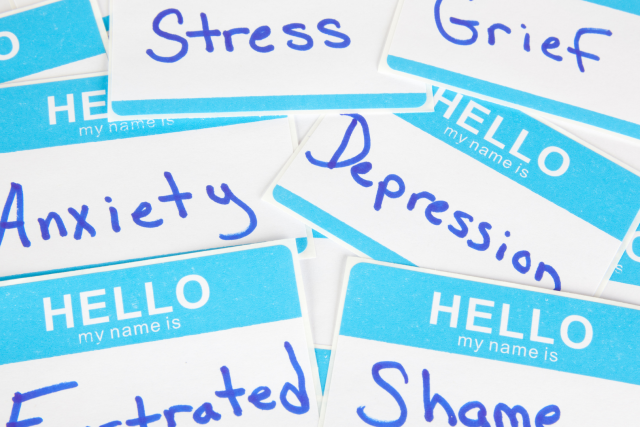
    Mental health problems are serious and can affect people of all ages, races, and gender. The issues can range from mild to severe and affect your ability to concentrate, socialize, or enjoy everyday activities.

    Mental health issues affect all kinds of people and can have devastating effects on their day-to-day lives. Unfortunately, such disorders can be difficult to treat. But the good news is that there are some things you can do yourself to help treat them. Learn the causes, including stress, abuse, and genetics. And learn what you can do to treat them, including counseling, support groups, and medication.

    What are Mental Health Issues?

    Mental health concerns are a serious problem that affects both children and adults and can lead to suicide, substance abuse, and other self-destructive behaviors. They can develop because of genetics, environment, or a combination of both, but there are things we can do to help, including using cognitive behavioral therapy. You could learn more about it by looking up ‘CBT Wimbledon‘ or something similar. To give you a short introduction, CBT is an innovative method in the world of psycho-social therapy that is used mainly to treat anxiety and depression. They analyze a patient’s thoughts, feelings, and behavior to diagnose a host of different mental problems and how they could affect a person.

    For example, mental illnesses could lead to substance abuse, and vice versa as well. Sometimes, it may help the person to seek out the cause of abuse on the path to mental wellness. This means that looking for alcohol or opiate addiction treatment Thailand should be an option to consider. But, the first step is recognizing that there is something bothering you or a loved one, and figuring out what or why it is.

    What Are the Types of Mental Health Disorders?

    Mental health disorders are medical conditions that affect the way people think, feel, and act. Although these disorders are treatable, they can be difficult to diagnose. The most common types of mental health disorders include anxiety, mood, psychotic, eating, and substance use disorders.

    What Causes a Mental Health Disorder?

    The topic of mental health is complex. There are more than 300 different mental disorders, but only a small fraction of them are diagnosable through traditional medical lab tests. For example, phobias are not diagnosable diagnoses under psychology but rather fall under mental disorders-although there are treatments for these disorders.

    Mental health issues are as individual as we are. While some issues are the result of trauma or heredity, others are caused by chemical imbalances in the brain. There is no single cause for such disorders, so it’s up to each person seeking treatment to find the root cause of their disorder and begin treating it from there.

    Problems can have a wide range of causes. Some stem from traumatic experiences, others from past abuses, and still others from genetics. No matter the cause, the end result is the same. Mental health problems could lead to suicide attempts, substance abuse, and risk-taking behavior. This is why mental health intervention is needed in such situations. If not dealt with at an early stage, mental health can further decline. It is advised to get in contact with rehabs such as Innovative Health Systems or other such centers near you for treatment. That said, there are many other factors (biological, behavioral, and social, etc.) that can contribute to the progression of mental illness. The following factors are the reason you are suffering from mental health issues:

    • Childhood Trauma and Abuse: Children who have experienced abuse, neglect, or social isolation in their early years often carry the emotional scars into adulthood. These traumatic experiences can create a foundation of vulnerability to depression as they age, impacting their self-worth, relationships, and overall mental well-being.
    • Prolonged Stress and Physical Health: Long-lasting stress can have profound implications on mental and physical health. Older adults facing chronic stress may find it challenging to cope with daily life demands, increasing their susceptibility to depression. This link between stress and depression is further complicated by its potential to trigger chronic health issues, resulting in a complex interplay between mental and physical well-being.
    • Unemployment and Job Loss: Unemployment or job loss can lead to a crisis of identity and purpose. The sudden upheaval in routine, coupled with financial insecurity, can contribute to feelings of worthlessness and inadequacy. The emotional toll of such experiences makes adults vulnerable to depression, highlighting the importance of support networks and coping strategies.
    • Inadequate Living Conditions: Older adults living in suboptimal conditions, struggling with housing instability or inadequate access to basic necessities, are prone to increased stress and anxiety. The strain of living in such environments can negatively affect mental health, potentially leading to the development of depression over time.
    • Social and Family Issues: Relationship troubles, domestic violence, bullying, and other forms of abuse can shatter the sense of safety and well-being. Isolation resulting from strained relationships and negative social experiences can deepen feelings of sadness and loneliness, further contributing to the onset of depression. If a relationship or marriage is causing significant stress and worry, the best course of action is to seek help from Arizona Family Law professionals (or those in your vicinity) and legally end it to find that much-needed mental peace.
    • Trauma and Life-Altering Events: Traumatic events experienced in adulthood, such as exposure to violence, involvement in life-threatening incidents, or military service, can resurface in later years. These past traumas can reignite emotional burdens, making older adults susceptible to depression as they grapple with the aftermath of these experiences.
    • Brain Injuries: Brain injuries, including concussions, can impact emotional regulation and behavior. Older adults who have experienced brain injuries may find themselves struggling with mood disturbances, altered behavior patterns, and unexpected emotional reactions. These disturbances, in turn, can contribute to the development of depression.

    Symptoms

    Mental health issues are not confined to certain groups of people, and symptoms can vary widely from person to person. (For example, depression can strike anyone, but some people show symptoms more intensely than others.) For this reason, it is important to consult a doctor or mental health professional about treatment if you notice certain signs of mental health issues.

    While it is not unusual for people to experience some feelings of sadness, anxiety, or anger at some point in their lives, some people who are feeling any of these symptoms may be experiencing signs of mental illness. Signs and symptoms of mental illness can vary from person to person. Some may not experience any signs or symptoms at all, but for others, the signs and symptoms they experience may be more severe. Signs of mental illness may include:

    • Sadness
    • Disorientation or inability to focus
    • anxiety or guilt that is out of proportion
    • Mood Swings
    • Withdrawal
    • Alcohol or drug abuse
    • Suicidal thoughts
    • Anger, hostility, or violence that is out of control

    Seeking Help

    Mental health disorders are serious and should be treated accordingly. If you have a mental illness, getting rid of it can feel like climbing a mountain. But there is hope. First, find out what illness is and how it’s similar to and different from other mental health issues. Then, seek treatment from a licensed mental health professional. Mental issues can be treated with medication and behavioral therapy.

  • Help With Overcoming a Drug Habit

    Help With Overcoming a Drug Habit

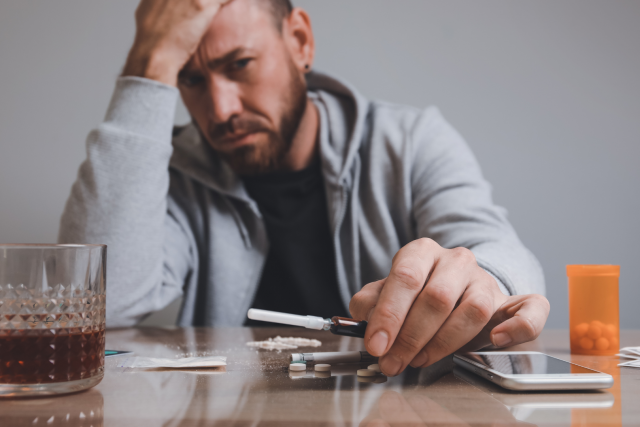
    It’s not easy to overcome a drug habit. It can be downright impossible without help. That’s because drug habits are incredibly powerful and often deeply entrenched. But with the right support, you can overcome your drug habit and get your life back on track. By continuing to read this article, you will be able to learn more about where you can find help when you need it the most.

    So, let’s not waste any more time.

    The Support of Friends and Family

    Young or old addictions can be conquered with the right people around you.

    Your family and friends can be a great source of support as you try to overcome your drug habit. They can provide you with love, understanding, and encouragement. But they can also hold you accountable. If you’re slipping up, they’ll be there to help you get back on track. If you try to isolate yourself or disappear, they will try to find you using any means possible, including using tracing agents from Bond Rees LTD or similar experts.

    The worst thing that you can do with an addiction is to hide it from everyone. So, the more people we can talk about it with the better. This includes those closest to us. They can keep a closer eye on us too. But then, do not forget the professional help as our relatives might not happen to be trained in such matters as the mind. It is a very complex thing and hard to control sometimes. We can so easily end up with bad and uncontrollable habits.

    Help of Professionals

    Doctors and therapists at iboga center and similar addiction treatment facilities can help you overcome your bad habits. They can provide you with professional medical care and advice. They can also refer you to support groups and other resources that can help you in your recovery.

    In many cases, a structured, professionally guided intervention helps families move from concern to action by outlining clear steps, roles and follow-up plans. Local specialists serve as neutral mediators, coordinate with treatment providers, and arrange ongoing case management to support sustained recovery efforts. For families in Texas exploring these options, organizations like Texas interventions explain compassionate, personalized approaches that emphasize safety, planning and reconnecting with loved ones. Having access to a coordinated plan and aftercare pathway can make the difference between a short-term change and lasting recovery.

    Professional Intervention and Ongoing Support

    If any medication is required, you will want a doctor to advise you. A doctor can also counsel and refer you or your friend or relative to the right place for the best kind of help. They have connections and know how to deal with all kinds of situations that affect our health and well-being.

    Healthcare professionals know how to be discreet and confidential and will only be trying to help us overcome an addiction that is trying to beat us. Strength in numbers is a great approach, and our doctor can be included in those numbers as one of the experts we have on board. Professionals can provide medical monitoring, counseling, and tailored support, making alcohol addiction treatment more effective and comprehensive. With the right guidance and dedication, individuals can take meaningful steps toward lasting recovery and improved well-being.

    Support Groups and Communities

    Support groups are another great resource for people trying to overcome drug habits. In these groups, you’ll meet other people who are going through the same thing as you. You can share your experiences, learn from each other, and support each other in recovery.

    It can be incredibly reassuring to realise you’re not alone, many others are walking the same path, trying to break free from addiction. Support groups, whether focused on a specific substance or addiction in general, offer a space to share experiences, learn from others, and feel genuinely understood. In the right setting, where support is constant and the surroundings bring peace, it becomes more than just recovery, it’s a chance to truly Recover in Paradise, both emotionally and physically.

    Meeting others in different ways can be incredibly helpful. Social media is one option, such as connecting through a Zoom call, while face-to-face interaction offers a deeper sense of connection. Meeting others in person and sharing personal stories can help individuals support one another in a safe and understanding environment. Sometimes, larger or more public settings may feel overwhelming, making a private room with a small, trusted group a better place to start.

    This is where family drug support programs play an important role, providing a safe, confidential space for individuals and families affected by addiction to share experiences, gain understanding, and build resilience together. Over time, many people who have experienced addiction develop the confidence to speak openly, eventually standing before larger audiences to offer hope and support to others. Working up to that point, and achieving it, can be deeply empowering and rewarding for everyone involved.

    We can conclude then that there are many different ways to get help with overcoming a drug habit. But the most important thing is to reach out for help. With the right support, you can overcome anything.

  • EHRs: How Technology Is Changing the Healthcare System

    EHRs: How Technology Is Changing the Healthcare System

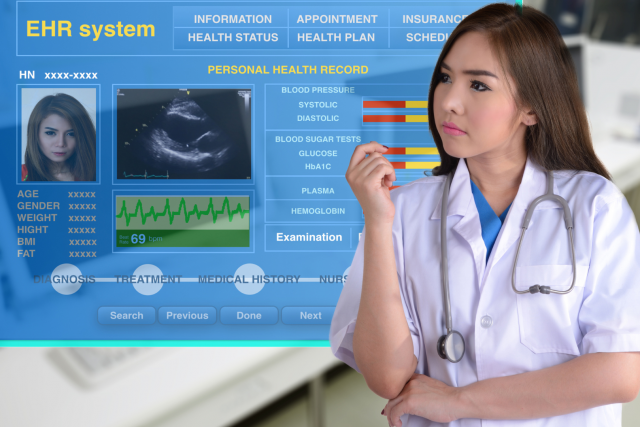
    Healthcare is an industry where technology has made a huge impact. Never in history has there been so much information available to healthcare providers and patients alike. In the early days, the information contained on paper was spread across pages and pages in doctors’ offices and hospitals. The advancement of technology allowed doctors and hospitals to store this vital information in electronic databases.

    Electronic Health Records or Electronic Medical Records (EHRs or EMRs) are changing the way doctors practice medicine. EHRs are computerized versions of a patient’s medical history, including test results, medications, and previous doctor visits. They allow doctors to store and organize patient data electronically. EHRs first became popular in the 1990s as doctors needed a way to store and access patient medical records. The rapid advances in technology have enabled EHRs to offer even more powerful features.

    Nowadays, patient parties may find their records stored in the cloud which would mean easy access, as and when required by doctors and patients alike with the help of say, barcodes. This may assist in streamlining the process of appointments and procedures. In addition to keeping tabs on financials, inventories, productivity rate, and reputation management of the institution, such software has eased scheduling processes, and reporting processes, and enhanced overall customer experience. EHR software such as PatientNow and many other similar ones have essentially enabled the complete optimization of most functions that take place in hospitals. Advancements of such nature may enable patients to better access healthcare and for healthcare professionals to provide better services.

    Virtual Reality (VR)

    Virtual reality (VR) has quickly become one of the hot new areas of innovation in the medical industry. With increased interest from both researchers and medical practitioners, VR has the potential to transform how we think about medical treatments and how we experience them. It can be used to enhance the operating room and doctors’ surgeries; deliver treatment to patients; train doctors in new skills, and more.

    VR is being used in everything from treating PTSD to helping people with movement disorders. One of the best use cases for VR in the healthcare industry is brain surgery. Using this technology, surgeons can practice on a virtual brain, virtually cutting a virtual problem away. This expertise can be applied in real-world scenarios when performing complex brain surgeries.

    Healthcare tracking

    The healthcare industry has been in a transition period for about 100 years. The industry seems to have grown and changed over the years with technology making it easier nowadays to deliver healthcare data analytics that can help in creating tailored services for patients.

    This indicates that the healthcare system is becoming more efficient, while the quality of care is improving. The transition process has affected every entity in the industry, from hospitals to doctors, insurance companies, and residents. Currently, it is going through another transformation, which has less to do with technology, and more to do with the quality of care. Even Emergency Services Technology has vastly improved through the use of technology such as data analysis and mobile integrated healthcare. It has allowed patients in dire need of care to receive the fastest available and most efficient treatment in their community.

    Healthcare tracking is changing the way healthcare is delivered. In the past, doctors’ and nurses’ most salient activities were to check vital signs and administer treatment. Healthcare tracking streamlines the process by integrating information across various systems. Healthcare tracking is changing the healthcare delivery system by improving the quality of care, enhancing efficiency, and reducing costs.

    Drug development

    Over the last twenty years, the pharmaceutical industry has been highly focused on developing new drugs to treat a variety of diseases, from cancer to depression and heart disease. And a new drug can cost the U.S. between $1.2 and $2.2 billion to develop and bring to market. But is the industry on the right track?

    With the emergence of electronic patient charts and technology, pharmaceutical companies are starting to change the way drugs are designed and tested. With new electronic patient records systems, drug companies can get an insight into a patient’s medical history and medications, and this changes the way they approach drug testing. While the trend has been toward personalized medicine in the past, advances in technology have enabled pharmaceutical companies to form partnerships and alliances with different medical institutions.

    Nanotechnology

    Nanotechnology is the topic of many conversations these days, particularly regarding the future of healthcare. It has the potential to revolutionize many aspects of healthcare including diagnostics, disease monitoring, regenerative medicine, and more. While most doctors still do not have access to nanotech, it is quickly gaining ground. If this technology becomes standard practice, then neurosurgeons like Dr Timothy Steel and others might be able to save more lives from brain-related injury or disease than they already do. We are on the cusp of a nanotech revolution happening in the medical field, and it’s going to change our approach to medicine as we know it.

    Most of us don’t give nanotechnology a thought. It’s a scientific phenomenon that has been around for a few decades but has only gained widespread attention in the past five years. It is the use of extremely small particles of matter that measure in the nanometer range. The exact definition varies, but nanotech particles are measured in billionths of a meter at the most basic level.

    Artificial Intelligence

    Artificial intelligence (AI) is poised to change the healthcare industry for the better and for everyone. From helping doctors identify cancerous tumors to increasing efficiency in EHRs, AI is ushering in a new age of healthcare that promises to be safer and more cost-effective.

    Artificial intelligence (AI) is transforming healthcare as we know it. The introduction of Electronic Health Records (EHRs), the creation of predictive analytics, and a growing reliance on big data are all bringing about a new age of medicine. AI improves diagnosis, treatment, and quality assurance through improved insight, automation, and decision support. Although still in its infancy, AI is predicted to disrupt the healthcare field in a revolutionary way.

  • Physical Fitness and Brain Function: What’s the Connection?

    Physical Fitness and Brain Function: What’s the Connection?

    According to the National Institute of Neurological Disorders and Stroke, “the brain and spinal cord make up the central nervous system (CNS), which controls and coordinates the body’s functions. The CNS is composed of the brain and the spinal cord.” Without a healthy CNS, bodily functions, including movement, reaction time, and sensory perception, would be impaired.

    And you better believe that they can be impaired quite badly. Any disruption or damage to this intricate system can have significant consequences for an individual’s overall health and well-being. That’s why access to quality healthcare services is paramount and it’s crucial to be aware of available resources. If you ever need diagnostic services or radiology expertise, you can search for “radiology near me in Woodbridge” or something similar to find a reputed facility that can provide the necessary assessments and imaging to help maintain the health of your central nervous system and address any potential issues. Sometimes you may even require a full body scan to figure out a CNS issue.

    Keep in mind that if, during the screening, the doctors were to identify a serious issue like cancerous brain tumors, such as pituitary tumors, it is crucial to seek expert assistance immediately. Oftentimes, such health issues tend to arise due to genetic predispositions or other environmental factors that aren’t necessarily in your control. This is why the guidance of doctors working at Amethyst Radiotherapy or similar firms can be of paramount importance to navigate this complex illness. They can recommend tailored treatment plans, and medication to help your health improve.

    That said, keep in mind that while there are a few factors that are beyond your control when it comes to maintaining the health of your brain, the connection between physical fitness and brain health cannot be denied. Keeping your body in tip-top shape improves your overall health and protects your mental health. Exercising your brain is just as important as exercising your body, and many studies show the benefits of exercise on mental health. But what exactly does physical fitness have to do with brain health?

    Regular exercise is crucial to your health, and maintaining an active lifestyle throughout your life can protect you from many diseases. Unfortunately, being physically active can also keep your brain healthy. The connection between physical fitness and brain function is an area scientists have been exploring for years.

    How Exercise Affects Your Brain

    According to studies, moderate exercise causes our brain to release endorphins or feel-good hormones that improve your mood, boost your confidence, and help you sleep better. However, the longer you go without exercising, the greater the impact on your brain, according to research at the University of Michigan. Aerobic exercise, like running or cycling, has been shown to positively affect the brain, while strength training, like lifting weights, does not.

    Exercise has always been associated with better health, but there is growing evidence that regular exercise can improve cognitive performance. That’s because exercise increases blood flow through your brain, and studies have shown that increased blood flow promotes the growth of new nerve cells, improving your cognitive function.

    Regular exercise changes the brain by improving memory and thinking skills.

    Regular exercise has been proven to improve memory, thinking skills, and mood. But, does exercise also change the brain, and is this a good thing? According to recent research, exercise changes the brain by making it more efficient at processing information. Exercise increases levels of three brain chemicals associated with learning, memory, and neurogenesis.

    Exercise affects the brain and cognitive function.

    As exercise becomes more popular, researchers are discovering new ways that exercise can affect the brain and cognitive function. For example, research has shown that exercise can slow age-related cognitive decline, which improves a person’s memory function. This can possibly also alleviate the chances of dementia, Alzheimer’s, or similar other diseases related to memory. Though there tend to be assisted living facilities (sites similar to chelseaseniorliving.com/locations/new-jersey/warren/ could be visited in this regard) available in different parts of the world, that can assist the sufferers with everyday tasks, certainly, however, nobody would prefer losing their memory and brain health. That being the case, moderate-intensity activities such as walking, tai chi, or yoga are effective for cognitive health.

    Can exercise Change Your brain?

    Exercise increases lung capacity, lowers blood pressure, and strengthens our bones. It can also help reduce anxiety and clear our brains of unwanted stress. But did you know exercise can also positively affect our brains? Learning about exercise’s positive effects on our brains can help encourage physical activity, improving mental health.

    Why is exercise good for brain health?

    Exercise is good for your brain because it activates the brain’s reward pathway, increasing serotonin and dopamine levels. Both neurotransmitters are integral to regulating mood and behavior, and serotonin plays a role in attention, movement, and stamina. Many reputed neurologists (like Dr Timothy Steel) would recommend exercising regularly to maintain healthy levels of serotonin and dopamine, as this can positively affect mood and behavior. Additionally, they may advise doing more strenuous exercises, as these can help increase energy levels and reduce fatigue.

    Part of the brain controls physical activity.

    Research has found that activity in the brain can be found through regions connecting to the feet and hands. The connections between these regions and the cerebellum, a brain region that helps with balance and coordination, are the strongest predictors of physical activity. The study shows that activity in the brain can change the way we move, making certain movements easier or harder.

    The recently confirmed discovery that part of the cerebral cortex, the outer layer of the brain, controls physical activity has major implications for treating a variety of conditions, from obesity to addiction. Researchers found that when part of the brain responsible for controlling movement was surgically removed, rats were unable to stop themselves from overeating or drinking.

    Research shows that exercise can improve brain function, and a sedentary lifestyle can result in poor thinking and memory. One study, for example, found that sedentary working participants were significantly impaired on cognitive tasks compared to physically active participants. A sedentary lifestyle can also result in accelerated rates of stress and depression, both of which can harm brain function.

  • The Link Between Debt & Mental Health

    The Link Between Debt & Mental Health

    With the recent economic crisis and the impact it has had on debt levels, you may have thought that it is no longer a problem just affecting the top 10-15% of income earners. You would be wrong. Many people are misinformed to think that the problem is limited to the wealthiest few. This is a common misconception, and it is perhaps because the truth is difficult to accept.

    We all experience stress, but for some people, it can become a daily battle. On one end of the spectrum, you have those who can handle the pressure and handle their job or family situation just fine. On the other end, you are constantly stressed out and juggling bills, rent, and other expenses.

    When you think about the devastating impact of debt on our lives, it can be easy to assume that the damage is purely physical. After all, debt can lead to bankruptcy and poverty and make it impossible for us to acquire the things we need to live healthy and happy lives. Some may even have to resort to the option of selling their family home or inherited property to clear off debts; companies like Crawford Home Buyers may come as a saving grace at this point. However, this may not be an ideal path for many, leading to a debt problem that seems unending. But while this may be true, there is another consequence of high-interest debt that is just as damaging. Today, we want to look at the relationship between debt and mental health and how debt can impact our emotional well-being.

    This emotional toll often peaks when homeowners face the prospect of losing their property to foreclosure. In these stressful situations, finding a quick way to liquidate assets can prevent a complete financial breakdown. Working with cash home buyers is one way people choose to resolve these pressing real estate issues without the delays of a traditional market listing. For instance, services like Easy Sale Home Buyers buy properties directly from owners who need immediate relief from their mortgage burdens. This route helps eliminate the anxiety of ongoing repairs and open houses during an already difficult time.

    When you face debt, you are faced with two important questions: How do I pay it off? And, how do I not pay it off? When you are in debt, you are in a constant struggle to make ends meet. You may have to make sacrifices to keep up with the payments. You may have to pull back on any luxury purchases and make do with less. You may have to miss out on special events or have to spend them on a budget. You may have to drive without a driver or rely on public transportation. It is all about finding the money. But there are also psychological aspects of debt that can lead to long-term mental health problems.

    For homeowners whose property costs are contributing to financial pressure, selling may be one option worth considering alongside other ways of managing debt. Those in South Bend and the surrounding Michiana area who are considering a direct cash sale can learn more about how the process works and whether it suits their circumstances.

    When it comes to debt, it seems there are no losers. Everyone involved loses in one way or another. The most recent statistic I came across was that over $1000 in credit card debt could cost you $7,000 a year. In a debt report from the National Institute of Mental Health, over 60% of Americans have a debt-related problem, with each person averaging $15,000 in debt.

    As reported by the National Institute of Mental Health, the total national cost of mental illness in the U.S. is 6% of the $2.5 trillion we pay in taxes. That amounts to $210 billion every year. That’s a lot of money. I know it costs a lot of money to keep me alive, and I don’t live in the private sector. So, if you’re looking for a good reason to get out of debt, it might be debt mental illness.

    A 2008 survey by the Ministry of Health and Welfare found that 23.5% of Japanese people have a chronic mental illness. A separate study by the European Union reported that 41% of the European Union’s citizens are in debt. Researchers have stated that mental health issues are often linked to the debt since they can lead to severe stress and other financial problems. People struggling with debt often turn to food and other forms of comfort, such as alcohol.

    While there is no definitive research proving that mental illness is caused by debt, according to the National Alliance on Mental Illness, it is believed that mental health issues, including depression, anxiety, and bipolar disorder, can cause financial problems. In fact, according to a 2010 study of over 16,000 people, people living in poverty had twice the chance of developing a mental illness than those in the middle class.

    The mental health of a country reflects its social and economic health, and the consequences of the economic conditions can be experienced by the mental health of the people. Countries that have gone into a deep economic crisis are also likely to have poorer people’s mental health. This is so because the effects of mental health problems are often not just limited to people’s mental health.

  • How Safe Is Telemedicine?

    How Safe Is Telemedicine?

    Telemedicine-the practice of using a video chat room to consult with a doctor via a smartphone-is quickly becoming a popular way to consult with a doctor, with even major airlines making it an in-flight option. But is it safe?

    More about Telemedicine

    Telemedicine is the use of Internet technologies (such as telephones, computer networks, and videoconferencing) to provide healthcare services from a distance. This type of software, more can be read about it on websites such as https://www.agora.io/en/developer/webrtc/, has been able to help many businesses and individuals connect with others in real-time without having to leave home or be delayed in being helped.

    Telemedicine is a broad term that includes a wide range of non-traditional methods for sending health care advice and medical records, teaching patients about their conditions, or simply connecting people with health care professionals. It is a term that encompasses talking to your doctor via video or audio chat. It can encompass a number of different approaches, including teleconsultations, videoconferencing, electronic medical records, and video or video-recorded form filling. Some people may consider telemedicine to be a bit unsafe in regard to online data safety but most healthcare organizations have to adhere to some sort of compliance that makes them responsible to ensure patients’ data safety. For instance, they may employ resources like hipaa risk assessment training to secure public health records.

    Today, there are a number of tools and services that make Telemedicine possible, from Skype to mobile devices like the iPhone to sophisticated medical software that connects medical professionals to patients over the Internet. Any of these services can be used to connect patients with doctors, nurses, or other health care professionals over the Internet. Still, they also can be used to deliver health care advice to patients without a physical connection. Currently, Telemedicine is used in a range of settings, such as long-term care, medicine, and dentistry.

    Telemedicine, or remote medical care, is becoming increasingly popular. The idea behind it is that, instead of going to a doctor’s office, you can simply access medical resources from the comfort of your home online. When it was first introduced, the concept of “healthcare in the cloud” sounded pretty futuristic. But now that we’ve seen how well the iPhone works for real-time, hands-free maps, it’s not so hard to imagine a future where our phones are the key to accessing medical services.

    What Are the Health Concerns That Telemedicine Can Be A Reliable Option?

    Telemedicine is an electronic means of transmitting healthcare information and care. Doctors can evaluate patients remotely via the Internet. Americans use telemedicine services for many reasons, including medical care, patient education, and convenience.

    Also, Telemedicine is good for those who can benefit from it. But there are certain health conditions that can be treated without a visit to the doctor. Some of these concerns are chronic and continually bother you. Other concerns, however, are not so regular. For instance, you might be concerned about weight loss.

    Telemedicine: How safe is this medical care?

    Telemedicine is a form of medical communication that allows a healthcare professional to provide medical care and treatment remotely. Telemedicine has been around for decades and has now advanced so far that it is being used for things like a remote diagnosis of medical conditions and even surgeries. And the benefits are just as good as those from traditional medical practices.

    Even if you don’t have an urgent medical condition, your doctor can consult with one via video chat, meaning that you can get a second opinion on anything. While it may be more convenient, how safe is Telemedicine?

    Suppose you or a loved one has experienced any symptoms of a medical condition. In that case, you may not be aware of it because Telemedicine allows medical specialists to diagnose and treat you remotely, even if you are located in another part of the world. However, Telemedicine is not without its risks.

    Can telemedicine increase the chances of medical errors?

    The medical industry is known to be highly dependent on telemedicine to provide remote care because of the benefits of using telemedicine, including increased access to healthcare for people who reside in remote or rural areas. But some types of medical services benefit better from in-person care instead of virtual diagnostics. This is because a video chat over the phone might limit a doctor’s ability to make a full physical examination. Needless to say, when doctors make mistakes over the phone, the risk of medical harm increases exponentially. One of the common areas where medical errors can take place in telemedicine is Genitourinary radiology.

    Radiology usually involves reviewing medical imaging. Therefore, it happens to be one of the most commonly performed telemedicine services. A competent radiologist can obtain imaging tests and review them from anywhere in the world, provided that he has an internet connection. This means a radiologist can take a look at your CT scan by sitting on a beach in Hawaii regardless of where you went through the scan, be it at a Chicago hospital or Cape Town nursing home.

    Experienced radiologists often make use of this technological advancement to treat those with no access to land-based hospitals. But not always can telemedicine bear fruitful results, especially when a radiologist is inexperienced and new to this field. In such cases, the chances of the healthcare professional misinterpreting an imaging test can increase by ten folds. The radiologist might miss the signs of a possible tumor in the Genitourinary radiology imaging scan, which may delay the diagnosis of cancer in a patient. A delayed diagnosis could enable the cancerous tumor to further spread to other parts of the body causing the patient to suffer physical injury and pain. Plus, this can directly impact their chances of recovery. In such situations, the concerned individual can consult with delayed treatment solicitors so that they can hold the healthcare professional accountable and get the desired compensation.

    Anyway, the bottom line is that even telemedicine can be prone to medical errors. Though it is a noble way of reaching those who cannot access hospitals, the negligence of a doctor can have repercussions beyond imagination.

    Telemedicine in a Nutshell

    For years, Telemedicine has been touted as the solution to many healthcare problems. Doctors have been able to diagnose patients remotely and offer treatment remotely. For example, a patient with a tumor in their lung can be diagnosed by a specialist online by recommending a few tests and then be referred to an oncologist for treatment. After that patient can either go for the recommended medical professional or explore a few private oncologists in their neighborhood. In many ways, Telemedicine can reduce the cost of healthcare, improve convenience, and allow doctors to see more patients without making them wait for hours..

    Telemedicine has been around for a while and is used in many different settings: in the military on bases overseas, in industries where workers are stationed far away, and in many different settings where regular visits are not feasible. While some countries have adopted this technology more seriously than others, it is still too new to be a “mainstream” option.

    Telemedicine means communicating with a health professional remotely. This is becoming more and more popular as technology becomes more advanced. Doctors have always been able to communicate with patients and listen to their problems, but now, they can do so from anywhere in the world. Doctors and patients can work together to solve problems, which can be very helpful.