Category: Blogging

  • The Benefits of Green Tea

    The Benefits of Green Tea

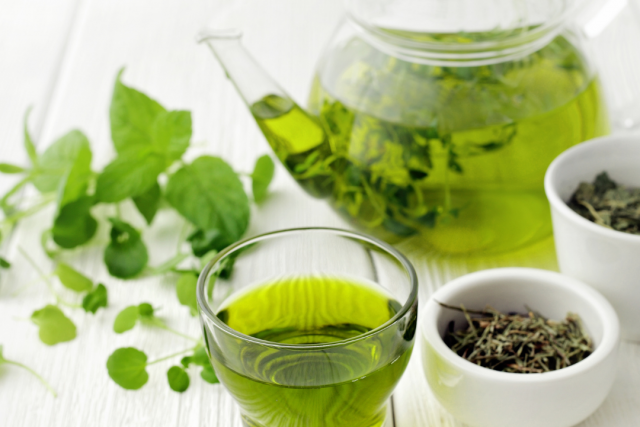
    People around the world have no doubt about the benefits of green tea, both for physical and mental health. It is used as a regular drink in many countries and consumed on a daily basis. In fact, it is not out of place to say that green tea is one of the most popular beverages on the planet. In addition to being a tasty drink with different subtle flavors, green tea contains a number of health-promoting compounds, which are responsible for its positive health effects.

    It is estimated that 75% of the world’s population consumes tea, with over 3.5 billion cups consumed daily. But did you know that green tea is not only delicious but has a range of health benefits? Many studies, some of which have been conducted over the last few decades, have found that drinking green tea can help with lowering cholesterol and blood pressure. In addition, drinking green tea can also help prevent heart disease and cancer.

    Green tea has been widely credited with a long list of health benefits, including weight loss. Some research suggests that the polyphenol in green tea known as epigallocatechin gallate (EGCG) may help to break down fat, inhibit its absorption and help prevent weight gain. However, there’s a lot of conflicting information on the benefits of green tea.

    Green tea comes from the Camellia sinensis leaves and this evergreen bush is native to countries in the Southeast Asian region, and can be traced back 4000 years. In recent years green tea has been cited for a variety of health benefits, including boosting your immune system, helping with weight loss, preventing heart disease, improving skin quality, and even improving brain function.

    Green tea has long been praised for its antioxidant and anti-aging properties, but now new research is showing that it can also help you lose weight. In fact, a recent study showed that people who drank more green tea had lower body fat percentages than those who drank little or no green tea. This is because green tea is rich in catechins, a group of antioxidants that have been shown to increase thermogenesis (the body’s production of heat) and boost metabolism.

    Green tea has been shown to reduce the risk of heart attack, promote bone health and help prevent certain types of cancer. It does this by increasing the body’s ability to use insulin and block the action of inflammatory substances that promote cancer development. Some studies have suggested that Green Tea may even slow the aging process, but further research is needed to confirm these results.

    The Disadvantages of Green Tea

    With all these different benefits, you start to wonder whether or not green tea actually has any kind of disadvantages. Although green tea has a few disadvantages, trust me, the benefits definitely outweigh the disadvantages. Now, let’s go ahead and take a look at the different disadvantages that you may end up experiencing from green tea.

    Green tea has numerous health benefits, including reducing the risk of heart disease, cancer, and diabetes, to name just a few. However, there are also some disadvantages of green tea, which may not be as well known. For those who are unaware, some of the most significant drawbacks of green tea include its high caffeine content and the use of pesticides during growing.

    The high in caffeine content can turn people off from drinking green tea. The amount of caffeine is actually less than coffee, but it can still cause side effects such as nervousness and restlessness. Another disadvantage of green tea is that the amount of caffeine can vary greatly since it depends on how long the tea has been steamed.

    Although green tea has been associated with an increased life span due to its antioxidant content, there are also many negative consequences of drinking green tea. Green tea is high in caffeine and has a diuretic effect, which means that it could cause dehydration. Drinking more than three cups of green tea a day also can increase your risk of esophageal cancer.

    So, would you consider adding green tea to your daily diet?

     

  • Headaches and When to Worry

    Headaches and When to Worry

    Headaches are a common occurrence that many people will experience at some point in their lives. Some people have headaches every day and think they have a serious health problem, but the fact is most headaches aren’t a signal from an underlying illness.

    Most headaches are not a cause for concern, in fact, a lot of headaches resolve on their own within a few hours. However, it’s important to know when to worry about headaches and when to ignore them and treat them at home. Here are some guidelines for you to remember.

    The most common headache comes from muscle tension or stress. Still, there are many other causes of headaches, including but not limited to dehydration, hunger, migraines, sinus problems, upper respiratory infections, and vision problems. Many would consult a Medical Cannabis Doctor to get diagnosed with their ailments. Cannabis is found to have several medicinal properties and is used to cure different ailments like muscle spasms, control pain, reduce eye pressure from glaucoma, and also improve appetite. There are hundreds of cannabis strains and each has unique properties that can aid in the betterment of health. You could maybe look for the best marijuana for migraines to help you relieve the pain.

    The term computer vision syndrome, also known as digital eye strain, describes a group of eye- and vision-related disorders caused by prolonged use of a computer, a tablet, an e-reader, and a cell phone. Additionally, when you sit on a chair (and desk) for a prolonged period of time, you might experience neck pain, which can give rise to migraines as well. For this, you would need to look at ergonomic desk and chairs from reliable companies similar to office monster or other online stores.

    While headaches are never fun, they’re also a pretty common occurrence. In fact, according to the National Headache Foundation, about three out of four men and two out of three women will experience at least one headache in any given year. Many of these headaches can be treated at home with over-the-counter pain relievers, but if you find yourself getting headaches more than a few times a month, it’s best to talk to your doctor.

    Headaches and migraines are debilitating conditions for those who suffer from them. But when is a headache cause for concern? A headache is usually just a symptom of something else. The most common causes of headaches are stress, tension, and dehydration. A headache is often nothing more than a warning sign that something else is wrong, like a sinus infection. If you have a headache that is accompanied by fever, vomiting, or nausea, it is probably not caused by stress or dehydration. That would be a good time to call your doctor.

    The first thing you should know about headaches is that they’re not all created equal. “Migraine” is a term that describes a group of headaches originating from the nerves in the head and neck. Migraines can be so severe that the pain is disabling. But there are other headaches that are less severe and easier to treat. For instance, you might feel some strain around your head if you have a habit of sitting in front of a screen for several hours a day. You see, screens emit blue light and UV radiations that can be harmful to the eyes and result in eye strain, hence causing headaches. One way to prevent this would be by wearing protective blue light glasses provided by companies similar to Felix Gray (https://felixgray.com/pages/eyeglasses-online), which can stop the UV radiations from causing eye strain. In the same way, your best bet would be to identify your headache type and then select headache medications and treatment options that are most appropriate for your specific needs.

    What Are the Different Types of Headaches?

    The three most common types of headaches are tension, migraine, and cluster headaches.

    • Tension headaches are caused by muscle tension, which is why they tend to affect your neck, shoulders, and scalp.
    • Migraine headaches tend to be more severe and usually cover one side of your head.
    • Cluster headaches are typically behind one eye and may be accompanied by tearing, redness, nasal congestion, runny nose, and in some cases, vomiting and diarrhea. These headaches are the result of an over-activity of certain natural substances in the body, and they tend to occur at the same time of day and in the same place.

    In order to figure out whether or not your headache is a cause for concern, you should definitely try to identify which type of headache you’re experiencing. If you have a prolonged or disabling headache then definitely go see your doctor and make sure that there is nothing more serious going on!

  • Do Vegans Need to Take Supplements?

    Do Vegans Need to Take Supplements?

    Do vegans need to take supplements? That’s the question that’s on many people’s minds who are either considering going vegan or are already vegan. Vegans need to pay attention to certain nutrients and take appropriate supplements to ensure they get enough of them. However, it is also important to remember that supplements are not a replacement for a healthy, balanced vegan diet. If you’re a vegan who wants to know if you need to take supplements-and which ones-read on.

    Vegans are often asked whether or not they need to take supplements. Some people are surprised to learn that some vitamins and minerals can only be obtained through animal products. Yet a varied diet including grains, legumes, nuts, seeds, fruits, vegetables, and herbs and spices can help to cover nutrient needs.

    There are many people that would like to live a vegetarian lifestyle but aren’t sure if they are getting everything they need from their food. It can be a little confusing to know exactly what a vegan needs to take a supplement for because there are so many different nutrients that are not found in the food we eat (vitamin B12 and Calcium are the most common).

    Since vegans do not consume any meat or seafood, their diet may lack some necessary fatty acids. Because of this, omega-3 supplements are beneficial for vegan individuals as they provide a concentrated and reliable source of essential fatty acids, particularly EPA (eicosapentaenoic acid) and DHA (docosahexaenoic acid), which are predominantly found in fish oil. Vegan individuals often turn to omega-3 supplements derived from algae, like omega 3 with astaxanthin, which provide a direct and bioavailable source of EPA and DHA without relying on fish or other animal products.

    Being a vegan is more than just a diet. It’s a lifestyle that emphasizes respect for all living things. Vegans not only avoid eating meat and animal byproducts, but they also avoid products that are tested on animals and buy products that are cruelty-free. While many people follow a vegan-friendly diet for health reasons, vegans choose to be vegan for ethical reasons and are, therefore, the most likely population to worry about developing a vitamin or other nutrient deficiency.

    A vegan diet includes only plant-based foods and, unlike vegetarian diets, excludes eggs, dairy, and other animal products. It is also the only diet that requires you to get all of your nutrients from plant-based sources. While it is true that a vegan diet is both healthful and environmentally friendly, some vegans may not be getting all the nutrients they need. Many nutrients are only found in animal products, such as vitamin B12, so this will need to be replaced in an alternative way.

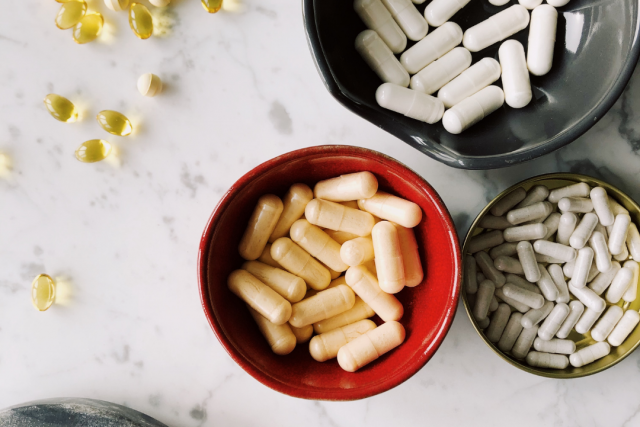
    If you have a well-prepared and well-thought-out diet, you will be able to get all the nutrients you need for your body without getting any sort of vitamins or supplements. However, if your meals aren’t the best, then you might consider taking supplements. For people who are just starting out, I think that you should go ahead and buy supplements to make things easier for you, especially at the beginning. In case you are very particular about what you put in your body, you might also consider making supplements yourself using empty vegan capsules (that could be purchased from e-stores like Capsule Supplies) and herbs or other ingredients of your choice. So, I guess the answer to the title question is whether or not you feel like you need the supplements. But as you learn more and more about how to prepare vegan meals with the right amount of nutrients for your body, you won’t even need these supplements anymore.

    How Do You Know Whether or Not You Need to Take Supplements?

    For most people, a healthy diet and regular exercise are all you need to stay healthy. However, there are some instances where you may need to take certain vitamins or minerals-or even supplements that contain more than one ingredient, like a multivitamin to ensure you’re getting all the nutrients and minerals you need (and, yes, it’s possible to get too many vitamins or minerals in your diet, so it’s important to have an understanding of how your diet and health factors can affect your need for supplements.).

    Finding the right diet can be a challenge, as nutrition experts continue to debate the role of specific nutrients in promoting health. If you take nutritional supplements, you may be wondering how to choose the right ones-and whether you need them at all. There are some basic guidelines that can help you decide. Supplements fall into one of two categories:

    (1) vitamin and mineral supplements, which typically provide doses of specific nutrients

    (2) other nutritional supplements, which provide a variety of non-vitamin nutrients, herbs, and botanicals.

    Both types can help fill a nutrient gap, and both can have beneficial effects on health. Moreover, you can also opt for a vegan supplement to fulfill your nutrition needs. You can visit websites like https://cleanwellness.com/garden-of-life-vegan-dha-supplement-minami-algae-omega-3.html to order a vegan supplement pack. There are some other types of nutritional supplements that have been proved to help individuals with specific health needs, such as treating iron deficiencies.

    Are you vegan? How do you ensure that you have all the vitamins and minerals you need? I would be really interested to learn more about the vegan diet and how to stay healthy whilst changing your lifestyle!

  • Best Ways to Floss

    Best Ways to Floss

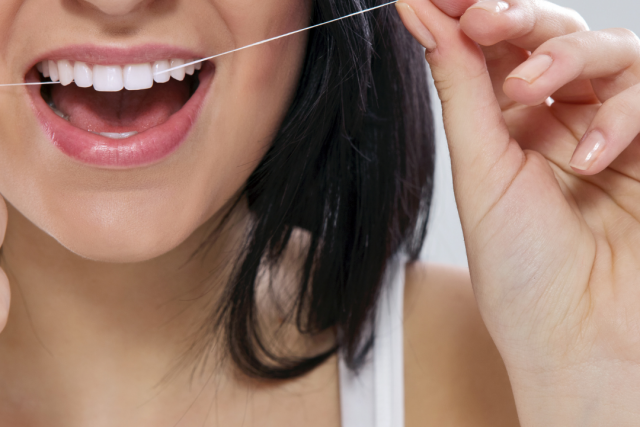
    Flossing, like most things, is something you’re probably not doing correctly. And if you’re not flossing correctly, it’s probably not giving you the results you want. Here’s how you can start getting the best results from flossing and make your mouth feel super clean and fresh.

    Most people use plain old string floss, which is OK to use for a while, but it can damage the gums and is a bit rough on your teeth. If you’ve got sensitive teeth, this may not be the best option for you. Instead, find floss that’s made of high-quality material like silk or polymer.

    After you’ve brushed, flossing is the next most important thing you can do to take care of your teeth and gums. There are lots of ways to floss. Flossing can be quick and easy when you find a technique that works for you. When choosing between floss, water flossers, and string floss, it’s important to think about what’s most important to you.

    Most people already know they need to floss regularly to keep their teeth and gums healthy, but they usually don’t do it-or they simply aren’t very good at it. If you’re looking for the best way to floss, there are a few considerations to take into account, including whether or not you have a flexible toothbrush.

    For the past few decades, dentists and Ortodoncista alike have recommended flossing as the best way to remove debris and food between teeth. But flossing can be a hassle-the string can break, and it can be difficult to reach every tooth. Newer methods that come in the form of brushes and sprays may make this better.

    • What are the benefits of flossing?

    Flossing is an effective way to prevent plaque and tartar build-up in between your teeth, but did you know it can offer other benefits too? Here are just a few of the benefits of flossing.

    Getting in the habit of flossing isn’t easy, but the benefits can be hard to ignore: less plaque build-up, fewer cavities, and better gum health. Plaque build-up and cavities could lead to more serious issues like gum recession and tooth decay, which would require you to get some sort of dental treatment from your local dentist jackson ms (or where you are located). Despite these risks, many of us have trouble taking the time to floss every day. Studies show that flossing just 5 times a week is enough to prevent most issues related to gum disease and tooth decay.

    The benefits of flossing are undeniable. Flossing helps remove plaque, food particles, and bacteria from between your teeth, which can help prevent tooth decay and gum disease. If you don’t floss, you’re missing out: flossing doesn’t just remove food particles from between your teeth but also helps scrape away plaque, which is the sticky film of bacteria that builds upon our teeth every day. Lack of flossing can cause severe oral health issues such as gingivitis, for which you may have to get gum disease treatment. However, if you’re just starting out, it might seem like there are a lot of different flossing methods, and they all kind of seem complicated.

    Flossing is an essential part of taking care of your teeth, yet it is one of the most neglected parts of dental care. It’s easy to forget about flossing when there are so many other things to do, like brushing, which takes longer. But, if you ever find yourself with a mouthful of food particles, you’ll be glad that you did take the time to floss.

    • How to find the right dental floss

    Flossing is essential to maintaining good oral hygiene, but finding the right dental floss can sometimes be a challenge. With options like waxed, unwaxed, flavored, and tooth-strengthening floss available, it’s important to choose the type that suits your personal preferences. If you prefer flossing daily but find waxed floss difficult to use, consider trying unwaxed floss. Keep in mind, if you’ve recently undergone any dental treatment, it’s wise to consult a medical professional before using any floss. For example, if you’ve had treatment associated with restorative dentistry paso robles (or elsewhere), it’s a good idea to seek guidance from your dentist. They can help you choose the right floss that won’t impact any teeth restorations you have received.

    If you have a reason to floss (i.e., to prevent cavities and gum disease), then you also have a reason to find a brand of dental floss that’s best for you. There are many things to consider: price, flavor, the material the floss is made from, and of course if you prefer waxed or unwaxed floss.

    Flossing is honestly such a satisfying thing to do after you brush your teeth because you feel twice as clean, and you can go to sleep or wake up feeling happy and clean! Personally, I like minty breath so I always choose flavored floss, what’s your preference?

  • 5 Ways to Cope with Anxiety During Coronavirus

    5 Ways to Cope with Anxiety During Coronavirus

    It is understandable that you are worried about getting sick – especially when you consider how serious the Coronavirus can be. For some people, just knowing they have contracted the illness is enough to trigger an anxiety attack – and we are not just talking about fleeting anxiety about whether you are going to be okay. But the fact is, anxiety doesn’t help anyone.

    If you have been following the devastating news about the Coronavirus, it could be very likely that you are feeling anxious. It is easy to worry about what might happen, but there are some things you can do to help keep your anxiety from controlling you.

    Anxiety is a normal reaction to stress. It is a feeling of worry and unease, usually generalized and unfocused. In some cases, anxiety can be beneficial as it can act as an alert system, letting a person know when things are not as they should be or when changes in the environment need to be made. Anxiety can also motivate a person to take action to address a problem and find a solution. Anxiety becomes problematic when it is excessive, persistent, or uncontrollable. If one experiences any of the latter, it would be advisable to consult an Online Psychiatrist or an easily accessible medic, who can listen to the concerns raised and offer viable solutions.

    The rapid spread of the Coronavirus highlights how quickly disease can become epidemic and the power of the Internet to spread information quickly, and viral, as it can be. But as millions of people are infected with the Coronavirus, and new cases are reported daily, what can you do to cope with the anxiety that might be growing as you read this? When anxiety becomes overwhelming, it can be hard to think clearly. It is important to focus on your well-being.

    The following are some suggestions for effective ways to cope with anxiety.

    1. Keep a detailed diary of your anxiety symptoms and triggers. Anxiety can often feel like an invisible illness. Keeping track of what triggers your anxiety allows you to be proactive in your treatment.
    2. Consider taking an antidepressant medication. Sometimes, anxiety can be linked to other health conditions, such as depression. In these instances, taking antidepressant medication can help relieve both your anxiety and depression symptoms. This might seem a bit unnecessary to some people, but if you feel overly anxious every single day, then maybe you should consider taking them. Alternatively, if you don’t fancy that idea, there are alternative treatments that can be used instead. For example, this website – https://cfah.org/best-cbd-oil-for-anxiety/ – suggests that CBD oil can be used to help to treat anxiety. There is also a lot of scientific evidence and studies, which you can find online, to back this up. Actually, there are even more medical cannabis-derived products that can be used for the purpose. Delta 8 THC, which can be found online from vendors such as https://area52.com/, has the same effect and has taken centre stage during the wellness boom within Coronavirus. Everyone knows that cannabis has proven benefits when it comes to reducing anxiety so why not try some recreational marijuana in denver (or somewhere local to you)?
    3. Avoid activities that trigger your anxiety. If you notice a specific activity increasing your anxiety, avoid doing it for a while. And you should also try your best to keep your mind from thinking of things that make your anxiety go through the roof.
    4. It might seem like the best way to cope with anxiety during Coronavirus is to avoid it completely. While you might be able to avoid the virus, you can’t always avoid anxiety, especially when it comes up unexpectedly. For example, you might experience a case of nerves while you are in a packed elevator, or you might start to feel anxious while you are stuck in a traffic jam because you are worried you won’t get to your appointment on time. The good news is that you can do things to cope with your anxiety when it comes up. For example, you can try redirecting your thoughts to something you find soothing. You can also try to distract yourself from your anxiety with a hobby you enjoy, like knitting, for example.
    5. Talk to people around you or talk to people online. This can help you manage the stress or anxiety that you are experiencing from the coronavirus outbreak. Talking to someone might even make things easier for you and will definitely help you cope during these stressful times. Isolating yourself from people and not talking to anyone might even make things worse, especially if you don’t have any distractions against your negative thoughts.

    Coping with anxiety during Coronavirus can be especially challenging since the very nature of the disease causes you to worry about the possibility of getting sick. Anxiety, which is one of the most common reactions to the Coronavirus, can strike anyone. Still, the risk of developing an anxiety disorder is much greater among people who have a family history of anxiety disorders. If you think you may be developing an anxiety disorder, don’t wait to seek help! The sooner you get treatment, the easier it will be for you to cope with anxiety during Coronavirus.

  • 3 Ways to Make a Mask from Items Around Your House

    3 Ways to Make a Mask from Items Around Your House

    The recent outbreak of the Middle Eastern Respiratory Syndrome Coronavirus (MERS-CoV) has experts worried about a pandemic and with good reason. (MERS-CoV), which is a SARS-like virus that causes coughing, fever, and shortness of breath, has infected more than 600 people—and killed more than 100. (MERS-CoV) is easily spread from one person to another, and the good news is that it doesn’t appear to transmit through the air. There are vaccines that you can get. However, it is still necessary for you to wear a mask whenever you are outside.

    The coronavirus is a respiratory illness that can cause fever, headache, diarrhea, stomach pain, and vomiting, leading to more serious complications, such as pneumonia. In some cases, it can lead to heart failure or even death. The virus is spread through contact with infected respiratory secretions, such as coughing, sneezing, or touching contaminated surfaces. Thankfully, it is relatively easy to protect yourself from the virus by using simple precautions, such as wearing a mask to prevent the spread of respiratory secretions.

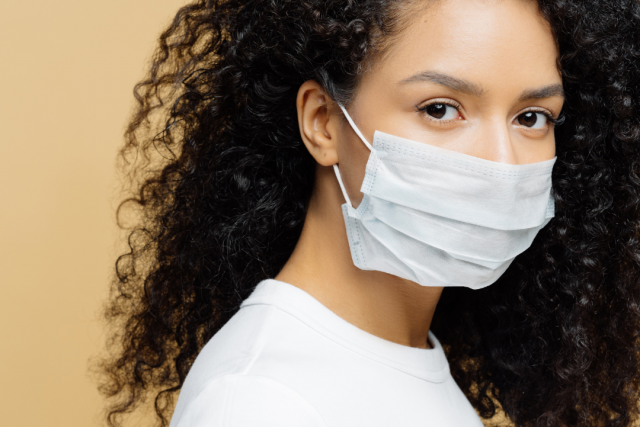
    Masks are a protective respiratory device worn to protect the face or nose from inhaling airborne particles and help prevent the spread of germs such as colds and the flu. Masks are an important part of any preparation for a pandemic, such as the current outbreak of the coronavirus. In fact, they are one of the simplest items you can make yourself with items you have around the house.

    Everyone knows that the most important step of any disease-related plan is prevention. If you have contracted the coronavirus, for instance, you may be wondering what you can do to prevent it from spreading. One easy way to reduce the risk of transmitting this infectious disease is to make sure you use a mask when you are around anyone who has it. While surgical masks and N95 respirators are effective, they are also bulky. Fortunately, it is easy to make your own disposable mask from household items.

    If you are tight on money, then maybe you should just make your own DIY facemasks at home to save yourself a few dollars. Here are a few ways you can make your own masks at home.

    • A simple way to make a mask is to pretty much just use a cloth that is laying around your home and a string that is preferably elastic, such as elastic bands or hair bands that you can find lying around. You can also use a coffee filter or a tissue, although these materials are optional. All you really must do is to fold that cloth, preferably like a bandana, and fold it again twice. Afterward, place your elastic band around the cloth to make a mask. That wasn’t difficult at all. So, let’s look at another way you can make a mask.
    • This time let’s learn how you can make a mask just from an old shirt you may have lying around that you don’t even use. So, for this, we obviously need a shirt that you don’t use and, once again, a coffee filter or tissue if you want to make it stronger and make your mask more resilient. To start on this little project, first cut the bottom half of the shirt. The amount that you are going to use should be enough to cover your nose to your chin. After that, cut into your shirt to make the straps that wrap around your head. After that last step, you are basically done!
    • As the saying goes, a stitch in time saves nine, but let’s face it, no one has the time to sit around sewing all day long. Fortunately, there are plenty of ways to make a cloth mask without a sewing machine — by stitching, gluing, knotting, or even using a standard paper clip. There is a simple way to make a cloth mask that does not involve sewing. First, you need to prepare the necessary tools and materials. You will also need a sewing machine, scissors, and a needle. On the other hand, producing a cloth mask does not require a sewing machine. The mask will be made using your hands.