Category: Blogging

  •  What Are Intrusive Thoughts, And How Can We Deal with Them?

     What Are Intrusive Thoughts, And How Can We Deal with Them?

    An intrusive thought is when our minds are consumed with an idea or thought that we’d rather keep to ourselves. This kind of thinking can be dangerous and can lead to anxiety or depression.

    We all have occasional thoughts that we find intrusive, though some are more intrusive than others. For example, you may have a thought like, “I’m fat,” “I’m stupid,” or “I’m a loser.” Intrusive thoughts are the kind of thoughts that we can’t get rid of on our own, such as “I’m ugly” or “I’m boring,” or “I’m stupid.” Intrusive thoughts are the kind of thoughts that keep us from having the realizations and opportunities that can make us happier.

    Intrusive thoughts are unwelcome and bothersome thoughts that can disrupt your peace of mind. They often pop up unexpectedly, ranging from minor worries to distressing thoughts. For example, if you’re faced with a heavy workload and a tight deadline, you might experience intrusive thoughts related to anxiety and worry about completing the tasks on time. In such situations, you will likely have two options. First, have open communication with your manager to find a solution and reduce work-related stress. Second, you can engage in relaxing activities like vaping (for which you can check all Lost Mary disposable vapes), which can help alleviate some of the stress and anxiety associated with intrusive thoughts.

    However, this is just one example of how intrusive thoughts can arise in your life, and each situation requires a different approach for coping. Intrusive thoughts are a common issue, impacting millions of individuals worldwide. These thoughts can have significant consequences, potentially leading to conditions like depression, anxiety, and various other negative emotional states.

    The idea of intrusive thoughts can be a very difficult topic to talk about and can be a challenge to understand. However, these are thoughts that are occurring to you. They are not “you” being bad or a bad person. Intrusive thoughts are simply the product of your mind. To stop these thoughts from recurring, you need to learn how to deal with them.

    Intrusive thoughts are one of those things that every human being has experienced at some time or another. We all know a day when our mind isn’t fully focused on the present moment because we’re still thinking about something from the past or worrying about something in the future. Intrusive thoughts are thoughts that invade your mind without any warning or provocation, and they are usually unwanted and unpleasant.

    The intrusive thoughts that haunt us can be terrifying. They can make us feel like we are going mad or like something bad will happen to us. With intrusive thoughts, we may feel paranoid, anxious, sad, or desperate. We may even feel like we are losing control. But there is something we can do about this.

    Many people experience intrusive thoughts. These thoughts can appear in your mind out of the blue and have an impact that can last all day. They can also distract you and make you feel anxious. The good news is that you can learn to recognize these thoughts and develop healthy ways to handle them. For one, you can start exercising. Studies show that working out can release endorphins in the brain, which can in turn reduce anxiety, stress, or sadness. On the other hand, you can also try cannabis products (visit online stores like cheap weed or similar others to buy some) to calm your mind as these tend to have a relaxing effect and can help ease intrusive and anxious thoughts. Similarly, there are plenty of ways to manage repetitive and anxiety-provoking thoughts. Although, if you feel them at extreme levels, it might be better to visit a mental health professional instead, as you might need a particular kind of treatment to help your situation.

    Intrusive thoughts are among the most common mental health problems for people of all ages. These thoughts interfere with your ability to think about, or focus on, other things. Often, people with intrusive thoughts can’t bring themselves to read or watch TV because they find their minds going back to intrusive thoughts. But the solution lies not in ignoring intrusive thoughts but in facing them.

    One of the ways to deal with this is to have a strong sense of self. You wouldn’t want to be someone you are not, so when you are feeling anxious, it is easy to deny that you are feeling anxious, and when you are feeling depressed, you can deny that you are feeling depressed. This is not a healthy way to live. We should always admit to ourselves when we are feeling something.

    Intrusive thoughts can be disturbing, upsetting, distressing, and they can even cause you to experience difficulty understanding reality. Many people deal with intrusive thoughts of this nature daily. Still, the truth is that it is a very treatable condition, and over-the-counter medications such as selective serotonin reuptake inhibitors (SSRIs) are very effective in helping you to combat it.

    People who suffer from intrusive thoughts often reach out to support groups where they can talk about their experiences. Being in a group can sometimes provide a solution, but it may also be a way to add to their problems.

    Thoughts and feelings are natural, but some thoughts and feelings can be intrusive. Intrusive thoughts are recurring thoughts that we don’t like and that can cause us distress. We can recognize intrusive thoughts and know that they are not helpful, but that doesn’t make them disappear. We have to learn how to manage intrusive thoughts.

  • What’s the Difference Between Ibuprofen and Paracetamol?

    What’s the Difference Between Ibuprofen and Paracetamol?

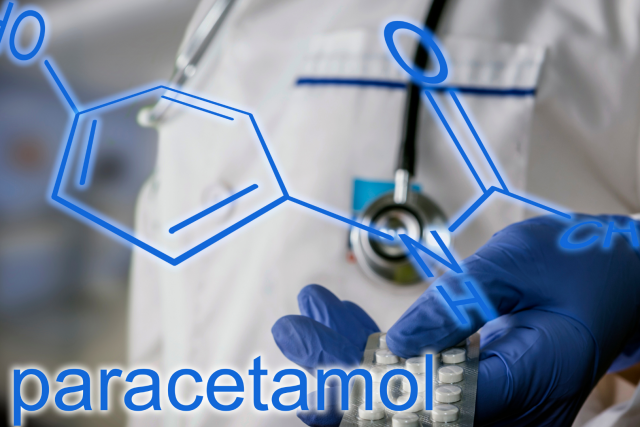
    Ibuprofen and paracetamol (acetaminophen) are two common over-the-counter medicines used to treat pain and fever and are sometimes used to treat other health conditions. Both medicines come in tablet form, although paracetamol can also be sold in liquid form. However, the active ingredients in both medicines are the same.

    Ibuprofen and paracetamol are one of the most common medications used to treat pain and inflammation. The first is a non-steroidal anti-inflammatory drug (NSAID), while the other is a non-steroidal anti-inflammatory and antipyretic drug (NSAID AND ANTI-PROTRIPTY). Both drugs have been in use for many years and have similar effects, but do you know the difference between the two?

    What is Ibuprofen?

    Ibuprofen is a yellow-orange crystalline powder that’s a widely used anti-inflammatory pain reliever. It’s a member of the Non-steroidal anti-inflammatory drug (NSAID) family, along with aspirin, acetaminophen, and naproxen. NSAIDs are commonly used to relieve mild to moderate pain and to reduce fever. They work by inhibiting the formation of prostaglandin, a naturally occurring chemical messenger responsible for pain and fever.

    Ibuprofen (trade name Ibuprofen, also sold under the trade names Advil, Nuprin, Midol, Motrin, and others) is a non-steroidal anti-inflammatory drug (NSAID) or painkiller. The drug is widely used in medicine and is available over the counter. It is used to treat a number of conditions, such as fever, inflammation, headaches, and menstrual pain.

    What is Paracetamol?

    Paracetamol is the brand name for a group of painkiller drugs known as acetaminophen (or paracetamol). The active ingredient in these medications is usually specified as either “paracetamol” or “acetaminophen.” Paracetamol is a non-prescription drug that comes in the form of tablets, capsules, and liquid. It works by blocking the production of chemicals in the body that is responsible for pain. These chemicals are called “prostaglandins.”

    Paracetamol (also known as acetaminophen) is a medication in the non-steroidal anti-inflammatory drug (NSAID) family – a type of drug that is used to relieve mild to moderate pain and reduce fever. It is sold in tablet, capsule, and liquid form. At what dose should you take it? This depends on the type of pain being treated. For example, a person may only need a tablet or capsule of paracetamol for mild pain, whereas a person with a head injury may need a different dose for each symptom at the time.

    How do you take them?

    Ibuprofen and paracetamol are the most common over-the-counter painkillers, and there are basically two ways of taking them. If you take them with water (i.e., ibuprofen), you swallow them. If you take them with food (i.e., paracetamol), you take them in capsules or tablets and put them under your tongue. 

    So, what is the difference between Ibuprofen and Paracetamol?

    There are a lot of different over-the-counter pain relievers on the market, each with its own unique strengths. Ibuprofen (or Advil) is a synthetic non-steroidal anti-inflammatory (NSAID) that can be taken as a tablet, a chewable, or a liquid. Paracetamol is a natural pain reliever made from pain-relieving chemicals found in plants. Ibuprofen has a lot of uses and is generally safe to use. Paracetamol is relatively safe but can cause drowsiness and is not as effective as ibuprofen.

    Ibuprofen and paracetamol are both commonly used as painkillers, but the two are very different. Ibuprofen helps reduce pain by inhibiting enzymes that cause inflammation, while paracetamol reduces pain by suppressing the release of certain chemicals in the brain. Ibuprofen is generally taken for longer periods of time, while paracetamol is generally taken in smaller doses. The differences between these painkillers may seem insignificant, but they can have a noticeable impact on your health.

    But what’s the difference between the two? Health professionals say the biggest difference is the way they work. For example, paracetamol can stay in your system for up to 8 hours, while ibuprofen goes only 3. Ibuprofen also works by blocking substances (such as prostaglandins and hormones)

    There are many different types of painkillers on the market, and some of them are quite similar to each other, but one that is often confused for the other is ibuprofen and paracetamol. Both drugs are completely different types of painkillers used to help people with different types of pain, but they do have some similarities.

  • Overcoming Challenges in Mobile Healthcare

    Overcoming Challenges in Mobile Healthcare

    For those in the healthcare industry, we know how difficult it is to get into the mobile analytics game. It’s one of those technologies that are often so underdeveloped that it’s considered ‘too hard to do.’

    But, when we look at the mobile health space, we see a lot of opportunities for developers that are otherwise difficult to access in the typical healthcare environment. Smartphone technology is one of these areas that enables developers to build healthcare applications that can collect patient data in various ways, process it and analyze it, and then use this data to influence the care provided to a patient. Let’s talk about mobile healthcare.

    What is Mobile Healthcare?

    You probably think of a healthy lifestyle or well-being when you think of health. But what if your health is compromised in a way that can compromise your work or other activities? In situations like these, mobile health can help. Mobile health is the study of telehealth, which includes mobile health, telemedicine, telemonitoring, and telehealth applications.

    As our lives become more connected, so too does our health. Telehealth is an ideal solution for acute and chronic conditions that can be difficult to manage in traditional healthcare systems. Telemedicine is the use of telecommunication to perform medical procedures. Mobile health technologies provide access to health information via mobile devices. This means that the doctors office could be visited without physically travelling to the location–virtual communication could be established for consulting medical professionals.

    Truth be told, mobile technology has the potential to improve health outcomes in many ways. Devices can track our daily habits, offer reminders about medications, and even help us monitor our health and fitness. However, mobile health (mHealth) systems are often underutilized by their users like many other technologies. After all, many of us are hesitant to use medical apps, wear medical devices, or even put medical information on our phones.

    The Challenges

    Mobile healthcare is becoming an important trend in the world of medicine. The idea is simple, but the ramifications are vast and range from how people are able to receive medical care to the way medicines get to patients and how medical records are stored.

    Perhaps the most difficult part of getting your mobile health (mHealth) system up and running is the patient-side integration. Assuming you’ve chosen a platform that meets your organization’s needs, the next step is to ensure that your system can communicate with the disparate platforms that comprise your patient’s life. In that regard, healthcare organizations can opt for an integrated software solution that provides facilities like emergency and dispatch tracking, consultation records, information exchange, patient care reports, and more. All the data can be accessed by a medical professional as well as by the patient themselves, with the help of a medicare mbi converter (i.e. Medicare Beneficiary Identification, converter).

    How Did Mobile Healthcare Overcome It?

    The rapid growth of the mobile health (mHealth) field over the years has ushered in a transformative era in healthcare. A multitude of health applications have emerged, empowering individuals to monitor and manage their health effectively. However, the journey towards seamless healthcare on mobile devices wasn’t without its challenges. Here, the pivotal role of Medical Directors comes into play. These dedicated professionals seem to have played a significant part in overcoming the hurdles and ensuring the success of mobile healthcare in various businesses.

    As the mobile market expanded and healthcare services transitioned to mobile devices, Medical Directors, likely found with the help of Guardian MD and similar companies, were instrumental in bridging the gap between technology and healthcare. They provided essential guidance and expertise to ensure the delivery of high-quality medical services through mobile platforms. With their leadership, medical professionals and patients found innovative ways to leverage mobile devices for improving healthcare outcomes.

    What’s new with the mobile healthcare industry?

    Despite the rapid growth of smartphone users around the world, there is still not a single product available on the market that can help you diagnose and treat a heart attack or any other life-threatening medical condition. That is about to change, however, as a number of start-ups are coming up with innovative new ideas to build a medical device that can be used in the absence of an actual doctor.

    Mobile healthcare solutions are emerging in the healthcare industry and are highly anticipated by the market. However, these solutions are not only limited to the health sector; they can also be incorporated by other sectors such as manufacturing, transportation, and education. In the field of mobile health, this is a challenging factor as many of the systems are not yet implemented, and the current solutions are not easy to use and execute. Further systems testing, analysis and research on the technology may be required to optimize their usability. Concept testing and development may also be required to make the mobile devices more efficient and effective in bringing out the best results. In addition to that, an evaluation of better marketing landscapes should be conducted so as to find the most suitable places to lay down these pieces of technology to be optimally used. This may be a little difficult to achieve, and external expertise and changes from entities like IDR Medical could be instrumental in revolutionizing the product. The introduction of a product would be followed by several tweaks, adjustments, and improvements. Similarly, mobile devices used in the medical industry would also be subject to similar changes..

    The implementation of technology has made several processes and treatments more effective, bringing out higher success rates, and improving the mortality rates of a country’s populace. Therefore, the modern healthcare system is heavily reliant on technology. A wide range of tools enables health care workers to improve patient care while providing better outcomes. The benefits of a health care system equipped with technologically advanced tools are hard to ignore.

  • Does CBD Get You High?

    While CBD is among the more popular cannabinoids in cannabis, it isn’t CBD that gets you high-the psychoactive compound in cannabis, THC, is the part responsible for that. There is a lot of evidence to show that CBD can help alleviate anxiety and pain, while THC is more likely to make you paranoid and cause you to feel tired or hungry. There are different types out there for people to try, and a variety of ways that they can be consumed, so whether you are leaning more towards a cbd tincture for women or trying out gummies, there is something for everyone.

    So, if you are looking for a product that is not going to go beyond being calming and soothing, then CBD is it, and something available online. You could, for instance, try https://blessedcbd.de to serve your recreational or medicinal needs.

    Does CBD Get You High?

    The stigma surrounding cannabis has been steadily declining since the 1970s. Now, cannabis is widely accepted as a safe and viable treatment for those with symptoms of anxiety, depression, insomnia, chronic pain, and other conditions. However, there are a few things you need to know before you consider trying cannabis. As is true with all medications, cannabis has the potential to react with other medications you may be taking, and if you have a mental illness, there may be additional risks. Learn more about how cannabis interacts with other medications and how it may affect your mental health.

    Can you get high from CBD oil?

    If you find yourself pulled to CBD oil but aren’t sure why you’re not alone. CBD (cannabidiol) oil, such as those available on websites of sellers similar to buy my weed online, has become one of the fastest-growing health and wellness trends in recent years, with CBD proponents claiming it offers several health advantages. CBD oil is derived from hemp and, unlike marijuana, is non-psychotropic and does not generate the “high” associated with marijuana. On the flip side, however, if you’ve never experimented with cannabis before, you might want to be cautious about trying CBD oil since some studies have linked the oil to THC poisoning and overdose. However, can someone get high from CBD oil? Well, CBD is often taken alongside THC, the part of the cannabis plant responsible for getting a user “high.” So, be aware of this so that you are only taking the CBD part when looking towards its medicinal properties.

    CBD vs. THC

    The cannabis plant contains several active chemical compounds, including cannabidiol (CBD) and cannabidiol (CBDa), which come from both hemp and marijuana. The two compounds are chemically similar, but their effects on the body are quite different. While THC is the compound responsible for getting you high, CBD won’t and so can be used to treat a range of medical conditions, including epilepsy and multiple sclerosis.

    Health uses and effects of CBD

    CBD, or cannabidiol, is a naturally occurring cannabinoid in cannabis plants. Compared to THC, CBD doesn’t get the user high. CBD interacts with your body’s endocannabinoid system (ECS), a network of cannabinoid receptors and endogenous compounds that interact with neurotransmitters, hormones, and other cells. The ECS plays a role in so many biological processes, from sleep and appetite to pain and immune response.

    Cannabis has made headlines recently, particularly regarding its possible health benefits. One of the chemical compounds found in cannabis, CBD, has gained a lot of interest lately-and for a good reason. Because CBD is not responsible for getting people high, it is legal in all 50 states (though there are exceptions). And in significant research, CBD shows promise as a treatment for depression, anxiety, chronic pain, PTSD, and other conditions. Those suffering from any of these issues can order some CBD-based products from websites similar to http://hibridco.com/menu/ to try them out themselves.

    Does CBD have side effects?

    Among the many products many consumers are turning to is CBD, a non-psychoactive compound found in cannabis. Because CBD is not psychoactive, users don’t get the high associated with marijuana or hashish. However, CBD does work in a variety of ways, including helping relieve pain, reducing stress, and boosting sleep. In 2016, CBD was reported to be legal in all 50 states, with CBD-infused products on the shelves of nearly every major grocery store. Moreover, buying from such places can benefit the customers since these shops may be registered with the local government as well as may have a POS system (accessible through posabit login or a similar software system) that can record transactions. The Food and Drug Administration (FDA) hasn’t approved CBD yet, but the agency says it is reviewing the compound. The FDA regulates all prescription and over-the-counter (OTC) drugs.

    Many companies use CBD in their products, but CBD doesn’t get you high. CBD is a natural compound that, when ingested, binds to and is metabolized by the endocannabinoid system, which regulates and controls various functions in the body. It’s sometimes referred to as the “master cannabinoid” because it helps regulate other endocannabinoids, such as THC. Although studies have shown some promising results for the potential benefits of CBD in humans, there remains a lot of uncertainty about what CBD does and how it affects the body. This leaves it very much for users to experiment with the mind that it might just help.

  • How Much Protein Do We Need?

    How Much Protein Do We Need?

    Food is essential to life. Nutrition plays a huge role in the health of people, and when the body is in optimal health, protein is one of the most important nutrients to have. Unfortunately, not everyone understands how important protein is. Some people believe that if they eat enough protein, their body will be in a state of constant satiation, which is simply not true.

    Humans need proteins to keep functioning, but there’s a limit to the amounts we should consume. Our bodies use proteins to generate energy, but the unused proteins then get recycled throughout the body. The human body can only store a limited amount of proteins, so we must take into consideration the amount of protein we’re burning, as well as the amount we’re taking in.

    Protein is a type of nutrient that the body needs to function properly. It plays a vital role in building and maintaining muscle and other tissues, such as nerves and blood vessels. The question is, how much protein is enough to maintain a healthy diet?

    What is protein?

    Protein is an essential nutrient needed for growth and metabolism. It is a major structural component of the body and is essential in blood clotting, and maintaining immune function. Protein is essential for our health, serving as a fundamental building block for the body. While it’s commonly known as an energy source, it plays a crucial role in forming muscles and bones.

    Moreover, specific proteins like Leydig cells, Steroidogenic acute regulatory proteins, 17β-hydroxysteroid dehydrogenases, and 5α-reductases can help in regulating testosterone production and metabolism. Individuals with deficiencies in these proteins may need to opt for treatments like Testosterone Replacement Therapy, available at a TRT Clinic Austin or similar clinics elsewhere, to enhance their hormone levels. So, it is important to take the required amounts of protein to be healthy.

    There are two types of protein:

    • Complete (also called animal-derived)

    Complete” (also called “animal-derived”) proteins from food sources that are good sources of protein are, in order: meat, poultry, eggs, fish, dairy, and legumes. Consuming more of these proteins than you need is generally a good thing because it will make you feel satiated and can help you obtain or maintain your ideal body weight, if not more.

    • Incomplete (also called plant-derived).

    Incomplete protein (also called plant-derived) is the term used for proteins containing only the amino acids present in the whole plant. For example, soy protein is plant-derived, as it is composed of all the essential amino acids. So, what are the problems with it? The main issues with incomplete proteins are that it lacks some essential amino acids, such as methionine. Also, plants use the essential amino acids they don’t contain in different ways than animal proteins do, so you may not get the same benefits from supplements made of plants as you would from animal proteins.

    So, how much protein do we need?

    The optimal amount of protein we need to eat depends on several factors, including age, gender, and overall health. The belief that protein should be eaten in abundance as a bulking agent arose from the misconception that all protein is created equal.

    The body has a limited amount of protein available at a time, so if you don’t eat enough protein, you will have to rely on the protein you do have for energy. There are two primary sources of protein for humans: animal (meat) and vegetable (plant) sources. The amount of protein you need to eat depends on how active you are, how much muscle you have, and how much weight you want to lose.

    The RDI for protein is 0.8g per kilogram of body weight, but this is only for adults. For children, it is about 0.4g per kilogram. Children get more protein from milk than adults do. A 100-pound child will need about 35 grams of protein a day, and a 200-pound child about 50 grams.

    The amount of protein we eat each day is an important part of our diet. Most of us are aware that protein is an essential part of any diet, but we often don’t know how much protein is enough. Most people guess, which is dangerous because an incorrect amount can lead to weight gain or even serious health issues.

  • Eye Strain: How to Deal with It

    Eye Strain: How to Deal with It

    Do you ever get headaches when you read? Or maybe you feel straining to, see? There are a number of reasons why this might happen, from not being able to hold your eyelid open to even being too near an illuminated screen. Though there’s no way to prevent it, there are a few things you can do to reduce the strain on your eyes.

    The eye is a muscle that moves your vision for you but doesn’t do it for itself. Every day, it works to focus light on the back of your eye, which is where the eye muscle and the light converge. This is where the light energy is concentrated and the part of your eye that you see.

    What is an eye strain?

    Eye strain is a condition that affects those who use their eyes for long periods of time. It can cause watery eyes, burning, blurred vision. It can even lead to headaches and fatigue.

    Staring at a computer screen for too long can lead to eye strain, characterized by tired, tired eyes, dry eyes, and headaches.

    Having worked in the computer industry for nearly a decade, I can tell you that excessive computer usage can be stressful for your eyes. You’d be surprised how much strain you can put on your eyes looking at a computer monitor. Many people are under the impression that computer monitors are not a cause for eye strain, especially since the screen is very small and can be viewed from a distance. Yet, this is not the case. As the number one cause of eye strain, computer monitor use can cause fatigue, headaches, dry eyes, blurred vision, and sore eyes. If left unchecked in its initial stage, the condition of your eyes can worsen with time, and lead to issues like migraine as well. Hence, it is best to visit a melbourne eye clinic (or a similar one elsewhere) to have it checked before the eye strain turns into something more serious. But before that, you can practice certain techniques to try and manage it yourself.

    Here’s how to deal with eye strains:

    • Adjust monitor brightness

    Eye strain from staring at a screen for long periods of time has become a growing concern, with experts claiming that too much computer usage can lead to deterioration of vision, headaches, and eye strain. If this sounds familiar, you’re not alone. Many people have trouble adjusting to the brightness of their monitors, especially in dimly lit rooms. A solution that many people have successfully used is to adjust the brightness of their screens.

    • Change screen settings

    If you spend a lot of time working on your computer, your eyes are going to hurt. If you’re like most users, you probably spend a lot of time in full-screen mode, and you may not realize it’s not just a matter of screen glare. When you’re in full-screen mode, your eyes are constantly shifting focus between the screen and the far side of the monitor. The result of this constant movement is a burning sensation, which usually gets worse over time. You can actually see evidence of your eyes focusing on the screen and then refocusing back out.

    • Blink frequently to refresh eyes

    When you blink, a series of three muscles (the lateral, medial, and superior recti) contract and relax in a kind of rhythm. This helps keep the eye moist and comfortable. When it’s working properly, you don’t even know it’s happening, but every blink also signals our brain that it’s time to blink again. As long as your eyelids are open all the time, you may never know when your body is telling you to blink.

  • Reasons to Visit a Gastroenterologist

    Reasons to Visit a Gastroenterologist

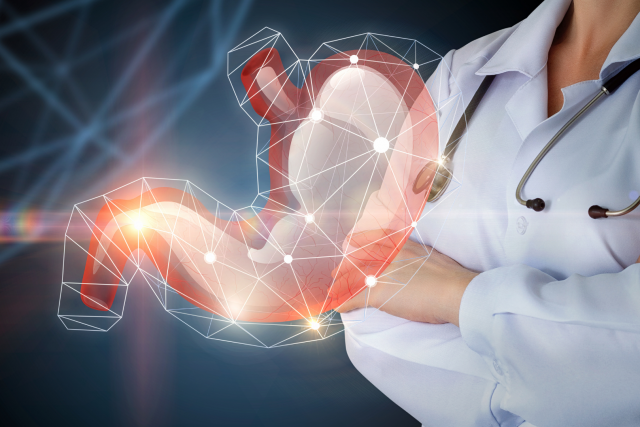
    While the causes of stomach pain are numerous, that doesn’t change that it still sucks. And if you feel like you’re just one step away from a major episode of stomach pain, then you’re not alone. It’s normal to experience discomfort while digesting food, but if your stomach pain is chronic and severe, then you should consult a gastroenterologist.

    Here are the following reasons to visit a gastroenterologist:

    • Structural problem with the bowel. One of the chief reasons to visit a gastroenterologist is to rule out any structural problem with the bowel. However, doctors rarely ask a person without any symptoms to come in for a physical check-up. A gastroenterologist is an expert in the field of gastroenterological diseases. These are diseases of the digestive system. They range from the common cold to more serious problems.
    • There’s a lump in the throat. There are a number of reasons to visit a gastroenterologist, one of which is a lump in your throat. Individuals who have lumps in their throats will certainly be worried about the cause of the lumps. A recent study published in the American Journal of Gastroenterology found that 50% percent of adults over the age of 60 had a lump in their throat that did not cause any other symptoms.
    • Heartburn. Heartburn is a common symptom of a number of health conditions, including gastroesophageal reflux disease (GERD), peptic ulcer disease (PUD), gallstones, and others. It is also very hard to diagnose. While the different conditions have different symptoms, heartburn is a burning feeling in the chest, usually at the back of the throat, that occurs when acidic stomach content backs up into the oesophagus.
    • Preventative screenings. The medical community recently changed its stance on the importance of preventative health screenings. These screenings have become more important as the population ages, and the government requires insurers to cover treatment for high-risk conditions. Among the recommended tests are colonoscopies, virus tests, and other procedures that can be used to screen for cancer.
    • Unexplained weight loss. Weight loss, especially weight loss that is unexplained or accompanied by other health problems, is a big reason to visit a gastroenterologist. Gastroenterologists are generally well-equipped to properly diagnose and manage these issues if they are causing weight loss.
    • Prolonged bloating or abdominal pain. Abdominal pain or bloating is a common complaint mostly among women. It is usually seen as a result of a “congested belly,” which is a condition that causes the area of the belly to expand and cause pain. Some women also experience abdominal pain or bloating after pregnancy. The pain may also be due to infections or parasites and can be cured by visiting a doctor. Visiting a gastroenterologist in case of abdominal pain can be beneficial because they can accurately diagnose the problem and direct you to a pain clinic in Tempe, AZ (or elsewhere), or give you the appropriate medication and instructions for recovery.
    • Rectal bleeding. Rectal bleeding is a common occurrence because of several factors. The most common is bleeding of unknown origin caused by a slight irritation inside the rectum. Another reason is bleeding as a result of inflammation of the rectal mucosa. Even if rectal bleeding is a symptom of an underlying condition, a doctor may advise you to have a stool test.
    • Food intolerances, sensitivities, and allergies. Food allergies, sensitivities, and intolerances are used to describe the adverse effects of foods that are not perceived to be “allergenic” to the body. These symptoms can impact people of all ages, sexes, ethnicities, and grades. These effects can range from mild to severe and can be both immediate and delayed.

    There are many reasons to see your doctor regarding your stomach pain from a medical perspective. Medical tests are performed to rule out other causes of your symptoms, such as Peptic Ulcers, Gastric Cancer, Irritable Bowel Syndrome, etc. The next step involves disease detection, with a scope and biopsy if needed, followed by a medication trial to see if the symptoms can be controlled with a new protocol. If this is unsuccessful, then surgery is the next step. And, you can always ask your doctor to refer you to a specialist if you feel that you need one.

  • Learning To Improve Bad Days And Reclaim Them

    Learning To Improve Bad Days And Reclaim Them

    Our lives are filled with things that make us happy. We like to watch TV shows, play video games, spend time with friends and family, read books, go to movies, shop, watch the news, and eat fresh, healthy food. We have things like these optimum internet plans to enable us to stream shows, movies, surf the web and keep up to date with our social media. However, if we have a bad day, we usually have a bad day at work too.

    There are many different types of bad days. Some days you just don’t feel like doing anything, others you feel like you can’t accomplish anything because you’re so tired, and others you feel like you can’t do anything because you’re so unmotivated. It can be hard to tell what is a bad day or an off day and what is just life getting you down.

    Bad days are difficult to describe, but they are common. Sometimes they are perceived as “off” or “sick” days, but that’s not the full picture. When someone says they had a bad day, what they mean is that they had an unpleasant experience that didn’t seem to be connected with the situation. Bad days happen. You find yourself in an embarrassing situation, or you’ve failed at something. Sometimes you’re not feeling well. It doesn’t mean you won’t go on with life, you will, but it does mean that you will have a hard time getting out of bed the next day.

    The bad days usually revolve around something that seems out of our control, like bad traffic, a bad breakup, or an illness, but the good news is that you can control how you feel. Most of the time, the bad days are the result of one factor or another, but you make the bad day worse by not dealing with the cause of your bad mood. Bad days are inevitable. They could be because of something you did, something you didn’t do, or something that’s beyond your control.

    The bad days usually revolve around something that seems out of our control, like bad traffic, a bad breakup, or an illness, but the good news is that you can control how you feel. Most of the time, the bad days are the result of one factor or another, but you make the bad day worse by not dealing with the cause of your bad mood. Bad days are inevitable. They could be because of something you did, something you didn’t do, or something that’s beyond your control.

    The important thing is to learn how to make them better. There are many ways to take your mind off a bad day. One method, for example, is to call friends and talk to them. On the other hand, for someone else, watching pornography on sites like Cartoon Porno might be a better distraction. The point is, a bad day does not need to remain a bad day. And that’s what this article is all about. We’ll be learning to improve on bad days and reclaim them with a few tips.

    1. It’s easy to avoid the sun when you’re in the shade. However, if you’re out in the sun, you’re in the sun-and nothing will make you feel better faster. Whether you are suffering from a bad mood or are simply in need of some vitamin D, there are several things you can do to make your bad days better by spending time in the sun.
    1. It’s no secret that we all carry a lot of negative emotions in our lives. These emotions often get bottled up, and we don’t allow them to surface. We bury our feelings deep inside and carry them around, and we can become physically and mentally drained by these bottled-up emotions. We can become depressed, stressed, frustrated, and even angry when we don’t deal with our emotions. So, how about getting flowers? They are a great way to cheer up your home and make your day a little brighter.
    1. A bad day can be a blessing in disguise. It can give you a chance to reflect on your life and put things in perspective. Or, if you’re one of those who don’t like to sit still, a bad day can give you a reason to get up and do something, even if it’s only to write in a journal. Whatever the reason, writing allows you to process your emotions and find some kind of therapy.
    1. One of the best ways to improve bad days is to laugh. It’s been proven in research studies. I’ve been saying it for quite a while now. But, when I read a new study from the University of Pennsylvania, it made me realize that I’ve been saying it wrong. In the 2017 paper The Impact of Watching Comedies on Negative Emotion, researchers found that when participants laughed while watching a comedy, they reported feeling fewer negative emotions.
    1. Why not try some flower remedies to improve your bad mood? This is because our moods are directly linked to the flow of chemicals in our bodies. For instance, stress can cause mood swings, while depression can lead to changes in the brain’s chemistry. Some of the most popular flower remedies include lavender, rose, chamomile, and tea tree oil.
  • The Different Types of CBD Oil to Consider: From Full Spectrum to Broad Spectrum to Isolates

    The Different Types of CBD Oil to Consider: From Full Spectrum to Broad Spectrum to Isolates

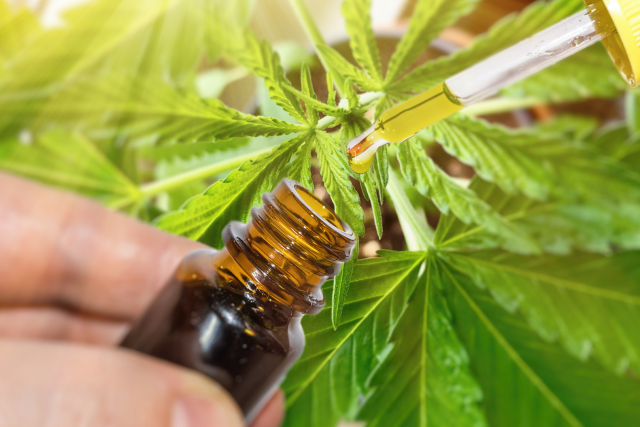
    It is good to have a choice of CBD to suit your needs and ailments. There are three main types. These include Full Spectrum, Broad Spectrum, and Isolates. The most common form of CBD is CBD oil, which can be called CBD tincture. CBD oil is a liquid that can be added to many different product types. It can be found in a bottle that will include a pipet or eye-dropper for convenience of use.

    If you are looking for broad spectrum water soluble CBD oil, then this will be easy to source online as a common type of CBD.

    We shall explore below the main differences between the three types of CBD oil.

    Full-Spectrum CBD

    With full-spectrum CBD, all the components of the cannabis plant are retained. This will therefore include, in a small amount, THC. Federal-approved products (CBD products that are legal), will have less than 0.3 percent of THC. It stands for delta-9-tetrahydrocannabinol and is a cannabinoid molecule in marijuana that has, for a long time, been identified as the principal psychoactive ingredient. This is the substance that will result in people who use marijuana feeling high. Dispensaries like canada cannabis dispensary have a plethora of options when it comes to full-spectrum CBD, THC, or even the pure cannabis plant.

    CBD will come from either hemp or marijuana. It will tend to be derived from hemp to avoid there being too high a level of THC. It can come in different forms as well, which also affects the potency. For example, THC chocolates (click here), which are a form of edible, are generally considered more potent than joints. This is due to the fact that smoke does not get absorbed by the body as fully as a piece of chocolate does.

    Broad-Spectrum CBD

    Broad-spectrum is a common form of cannabidiol (CBD). Broad-spectrum versions of CBD will contain a variety of naturally occurring compounds from the cannabis plant but normally no THC.

    The difference between broad-spectrum and full-spectrum CBD is that broad-spectrum contains all of the ingredients of broad-spectrum but minus THC.

    The broad-spectrum CBD option is ideal for those with anxiety. It is recommended for instances of high stress too. In other words, this can be used for medical conditions and can be bought easily with a medical marijuana card (Get Medical Marijuana Card Online with the help of Green Choice Medical).

    Anyway, those interested in using this product should first learn about the prescribed dosage: a full dropper’s worth can be taken in the morning and then the stress-reducing benefits can be felt throughout the day.

    This kind of CBD can get many people through an otherwise difficult day. A 2015 review, which contained 49 studies, was able to suggest that CBD could help with generalised anxiety disorder, social anxiety disorder, panic disorder, and obsessive-compulsive disorder (OCD). Also, post-traumatic stress disorder (PTSD).

    Broad-spectrum will take around 15 to 45 minutes to take effect. You should, however, bear in mind that it is not like THC in terms of making you feel high, there is simply not enough THC content for that. It is more of a subtle relaxant that will have a calming effect on you.

    CBD Isolate

    A form of CBD, the CBD isolate option does not contain any amounts of THC. This is, of course, the psychoactive component contained within cannabis.

    Full-spectrum CBD is considered more effective than CBD isolate. This is because of the combined effects of CBD and THC. Also, full-spectrum CBD is less processed and so more natural compared to CBD isolate.

    CBD isolate does have some side effects, such as drowsiness, fatigue, reduced appetite, dry mouth, and diarrhoea. Side effects are present with many medications and not experienced by everyone or to the same degree.

    There are many advantages to taking CBD in general. For example, data has shown that just a single dose of CBD can reduce resting blood pressure. This is indicative of CBD being a stress reliever. CBD is good for treating conditions of anxiety and depression. Many will feel anxious without it being diagnosed by a doctor and will find benefits from taking CBD in one form or another to keep things under control.

    Whatever form of CBD you take, a single dose will stay in your system for around a day taking effect. Although regular users of CBD, in particular, those who vape or smoke CBD (sourced from online stores like D8 Super Store), may need to wait for a week or more for the CBD to have completely left their system.

    It is good to know the different types of CBD and well worth looking up the range of medical conditions that CBD will tackle where conventional medicines have failed to reach the parts that hurt. It is a comfort just knowing that. Chronic pain is something that cannot just be left and there needs to be some relief from it that comes from somewhere. CBD suppliers are out there to serve those in any kind of pain, from minor to chronic, and to help people relax who cannot seem to find that in other ways.

  • The Pros and Cons of Cosmetic Dental Treatment

    The Pros and Cons of Cosmetic Dental Treatment

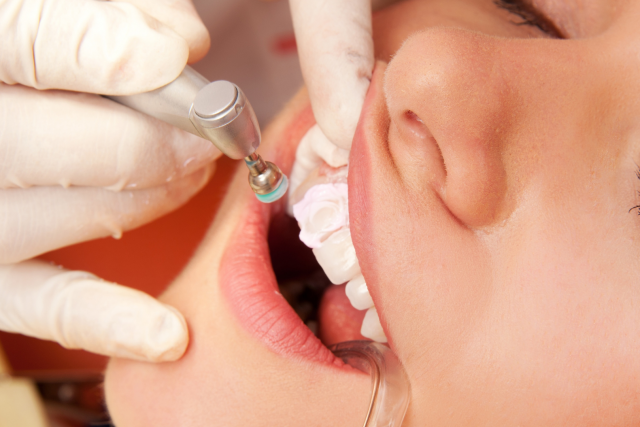
    Whether to go for cosmetic dental surgery is a matter of cost because we all want to look our best if we are honest with ourselves. For more information on procedures possible, click here. For those still undecided, we shall weigh up the decision as to whether to go for cosmetic dental treatment or not below.

    Pros of Cosmetic Dentistry

    By electing to have a dental treatment that will improve our look we can be opening up a new world for ourselves. Those who rejected us because of how little we were able to smile will now have little reason to avoid making eye contact with us.

    In fact, cosmetic dentistry (such as that provided at Fulham Road Dental and similar clinics) can not only improve the way others look at us, but also our own self-image. We can look in the mirror with pride after the treatment and know that we have made the right decision. From then onwards, we will see a more content person who is happier about how they look and look to others.

    Why We Might Be Undecided About Dental Surgery

    We might worry about the pain of having dental cosmetic surgery. As far as this goes, not all dental treatments are painful, despite what many will tell you who have not even had the treatments. The majority of dental treatments performed at this Dental Clinic Memphis, or at similar establishments elsewhere, happen to be minimally painful or occasionally even painless. During most procedures, your mouth will be numbed, and any slight pain or discomfort later will be with the benefit of a good look attached to it. Any dental pain will be temporary unless we have a raging toothache with which we have not dealt.

    Advantages and Disadvantages of Different Dental Treatments

    Dental implants are often permanently secured to jawbones so that they do not fall out. It is, despite how it sounds, considered quite painless. You should not worry about titanium on your jawbone because it causes little pain compared to your imagination thinking about it. The pain after the procedure is hardly anything and you will be able to go back to work in no time at all. A side effect is that there is a small risk of infection, as with any medical procedure. A dentist will go through any side effects before you agree to the procedure.

    Porcelain veneers are considered better than composite ones if you want them to last longer. They have the advantage of disguising chipped, crooked, and stained teeth. They are cemented onto the front of existing teeth, therefore supporting their structure to a degree at the same time, although not as much as a crown would.

    A crown is considered a better solution than a veneer where a tooth has a large filling, is worn or cracked, or has a root canal. It is restorative as much as it improves the patient’s look. Veneers are more for minor shape corrections and will assist with covering stained teeth as an alternative to teeth whitening procedures.

    Wearing suresmile aligners or even traditional braces, for that matter, can help straighten crooked teeth. Invisible or otherwise, they are not at all invasive and only temporary compared to other treatments that are permanent except for later maintenance. The most permanent of these treatments will be dental implants. Composite veneers will typically last 5-7 years, porcelain veneers 10-15 years, and dental implants potentially a lifetime.

    All these treatments are guaranteed to improve a smile. Your decision will relate to cost as there is little pain to consider as a sacrifice for improved looks.

    It is good to know something about dental treatments that improve looks. We are more familiar otherwise with those that deal with tooth decay when teeth need filling. Then preferably with a white filling rather than a standout amalgam one, for all the wrong reasons.