Category: Health

  • Things You Should Know About Urgent Care

    Things You Should Know About Urgent Care

    If you’re part of the 75 percent of Americans without health insurance, navigating healthcare options can be challenging. While it’s true that no health insurance plan covers every doctor visit, some do extend coverage to certain urgent care needs, such as those related to the flu, strep throat, or ear infections. However, for many working Americans who find themselves without this coverage, paying out of pocket for minor doctor’s visits becomes a common scenario. This is where the growing popularity of urgent care centers comes into play, particularly among the uninsured.

    The appeal of urgent care lies in its convenience, offering quick medical attention for minor issues. It’s crucial, though, to understand what to look for in urgent care facilities and how they can be of assistance. Consider this scenario: you sustain a minor leg injury that doesn’t warrant a trip to the emergency room but still requires prompt medical attention. An urgent care facility, equipped with orthopedic doctors, becomes the ideal destination for the care you need. Likewise, if a dental emergency arises, such as a tooth break due to a collision, you can visit an urgent care center. These facilities usually have on-site dentists, like this emergency dentist flower mound, who can provide the necessary treatment. Essentially, urgent care centers serve as a comprehensive solution for all non-life-threatening medical issues, offering a one-stop destination for prompt and efficient care.

    Urgent care clinics are gaining more popularity

    As more Americans choose to go to the emergency room for minor illnesses and injuries, many seek urgent care clinics as an alternative. Urgent care clinics offer immediate care, often at a lower cost, and are an excellent option for treating symptoms and injuries that don’t require a trip to the hospital. Check out Direct Ortho care and other similar clinics to see examples of medical facilities that provide orthopedic care on short notice.

    Urgent care clinics offer on-the-spot treatment without requiring a scheduled appointment, typically for minor illnesses and injuries. It’s important to note that urgent care is distinct from emergency care, focusing on less severe injuries that don’t demand a hospital emergency room.

    These facilities commonly address ailments like strep throat, urinary tract infections, and minor injuries such as sprains or cuts. Many urgent care clinics also provide diagnostic services like X-rays.

    They work closely with distributors like SLI Medical: Medical Supplies to ensure the availability of necessary medical equipment and supplies. This collaboration guarantees that patients choosing to visit urgent care clinics can benefit from timely and comprehensive care.

    Insurance companies often cover visits to urgent care, though the extent of coverage can vary based on the health insurance plan. Generally, opting for an urgent care visit tends to be more cost-effective than going to an emergency room, potentially saving money for patients with health insurance.

    The convenience extends further, as insurance providers usually engage in managed care contracting with urgent care centers. This not only facilitates finding an urgent care center that accepts a patient’s insurance but also contributes to reduced wait times, enhancing the reliability and efficiency of urgent care services.

    Urgent care is different from emergency care

    You and I both know that going to your local emergency room for minor illnesses or injuries is not usually your best option. Sure, it’s convenient in most cases, but it usually isn’t the most cost-efficient. This is especially true if you’re looking for procedures that aren’t covered by your insurance plan. But did you know that urgent care is another option? Urgent care centers are a great option when you’re ill or injured, especially if your condition doesn’t require emergency care. While they may not be open 24 hours a day, they usually have evening and weekend hours and offer a certain type of healthcare that emergency rooms do not.

    The role of the emergency department (ED) is to treat people for sudden or severe illnesses or injuries. This means the ED is equipped to handle urgent cases that can’t wait. But just because an injury or illness is urgent doesn’t mean it should be treated in an ED. For example, X-rays, CT scans, blood tests, and X-rays are often better done in an outpatient setting than in an ED. For less severe ailments that don’t require immediate treatment, urgent care centers or urgent care centers are more likely to be able to provide better care in a less expensive setting.

    Waiting time for urgent care is shorter than in the ER

    Wouldn’t it be great if you and your family could just walk into a doctor’s office and know it would be taken care of right away? This is exactly the experience patients receive when they visit urgent care centers, which bypasses many of the hassles and wait times associated with visiting an emergency room. Urgent care centers are open for extended hours during the week, so you don’t have to worry about spending hours in waiting rooms waiting for medical attention.

    Urgent care centers offer quick, walk-in service without an appointment. They are able to treat minor injuries and illnesses for people who cannot wait. They are open 365 days a year, and in most cases, patients can receive care within an hour.

    Most people with minor injuries or illnesses are better off visiting an urgent care facility for an early diagnosis instead of going to the emergency room. While emergency rooms typically have shorter wait times for urgent care patients, urgent care has shorter wait times for ER patients.

  • Help With Overcoming a Drug Habit

    Help With Overcoming a Drug Habit

    It’s not easy to overcome a drug habit. It can be downright impossible without help. That’s because drug habits are incredibly powerful and often deeply entrenched. But with the right support, you can overcome your drug habit and get your life back on track. By continuing to read this article, you will be able to learn more about where you can find help when you need it the most.

    So, let’s not waste any more time.

    The Support of Friends and Family

    Young or old addictions can be conquered with the right people around you.

    Your family and friends can be a great source of support as you try to overcome your drug habit. They can provide you with love, understanding, and encouragement. But they can also hold you accountable. If you’re slipping up, they’ll be there to help you get back on track. If you try to isolate yourself or disappear, they will try to find you using any means possible, including using tracing agents from Bond Rees LTD or similar experts.

    The worst thing that you can do with an addiction is to hide it from everyone. So, the more people we can talk about it with the better. This includes those closest to us. They can keep a closer eye on us too. But then, do not forget the professional help as our relatives might not happen to be trained in such matters as the mind. It is a very complex thing and hard to control sometimes. We can so easily end up with bad and uncontrollable habits.

    Help of Professionals

    Doctors and therapists at iboga center and similar addiction treatment facilities can help you overcome your bad habits. They can provide you with professional medical care and advice. They can also refer you to support groups and other resources that can help you in your recovery.

    In many cases, a structured, professionally guided intervention helps families move from concern to action by outlining clear steps, roles and follow-up plans. Local specialists serve as neutral mediators, coordinate with treatment providers, and arrange ongoing case management to support sustained recovery efforts. For families in Texas exploring these options, organizations like Texas interventions explain compassionate, personalized approaches that emphasize safety, planning and reconnecting with loved ones. Having access to a coordinated plan and aftercare pathway can make the difference between a short-term change and lasting recovery.

    Professional Intervention and Ongoing Support

    If any medication is required, you will want a doctor to advise you. A doctor can also counsel and refer you or your friend or relative to the right place for the best kind of help. They have connections and know how to deal with all kinds of situations that affect our health and well-being.

    Healthcare professionals know how to be discreet and confidential and will only be trying to help us overcome an addiction that is trying to beat us. Strength in numbers is a great approach, and our doctor can be included in those numbers as one of the experts we have on board. Professionals can provide medical monitoring, counseling, and tailored support, making alcohol addiction treatment more effective and comprehensive. With the right guidance and dedication, individuals can take meaningful steps toward lasting recovery and improved well-being.

    Support Groups and Communities

    Support groups are another great resource for people trying to overcome drug habits. In these groups, you’ll meet other people who are going through the same thing as you. You can share your experiences, learn from each other, and support each other in recovery.

    It can be incredibly reassuring to realise you’re not alone, many others are walking the same path, trying to break free from addiction. Support groups, whether focused on a specific substance or addiction in general, offer a space to share experiences, learn from others, and feel genuinely understood. In the right setting, where support is constant and the surroundings bring peace, it becomes more than just recovery, it’s a chance to truly Recover in Paradise, both emotionally and physically.

    Meeting others in different ways can be incredibly helpful. Social media is one option, such as connecting through a Zoom call, while face-to-face interaction offers a deeper sense of connection. Meeting others in person and sharing personal stories can help individuals support one another in a safe and understanding environment. Sometimes, larger or more public settings may feel overwhelming, making a private room with a small, trusted group a better place to start.

    This is where family drug support programs play an important role, providing a safe, confidential space for individuals and families affected by addiction to share experiences, gain understanding, and build resilience together. Over time, many people who have experienced addiction develop the confidence to speak openly, eventually standing before larger audiences to offer hope and support to others. Working up to that point, and achieving it, can be deeply empowering and rewarding for everyone involved.

    We can conclude then that there are many different ways to get help with overcoming a drug habit. But the most important thing is to reach out for help. With the right support, you can overcome anything.

  • EHRs: How Technology Is Changing the Healthcare System

    EHRs: How Technology Is Changing the Healthcare System

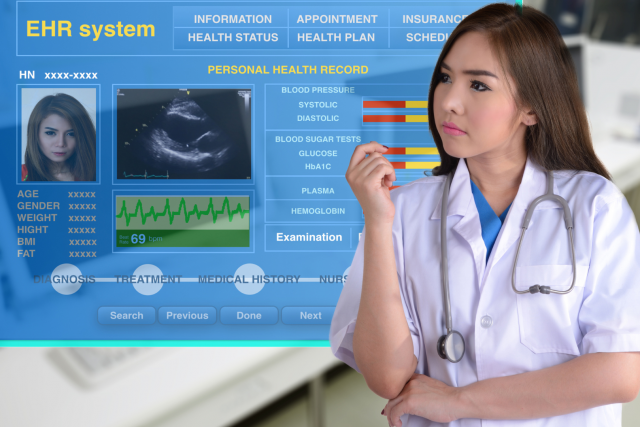
    Healthcare is an industry where technology has made a huge impact. Never in history has there been so much information available to healthcare providers and patients alike. In the early days, the information contained on paper was spread across pages and pages in doctors’ offices and hospitals. The advancement of technology allowed doctors and hospitals to store this vital information in electronic databases.

    Electronic Health Records or Electronic Medical Records (EHRs or EMRs) are changing the way doctors practice medicine. EHRs are computerized versions of a patient’s medical history, including test results, medications, and previous doctor visits. They allow doctors to store and organize patient data electronically. EHRs first became popular in the 1990s as doctors needed a way to store and access patient medical records. The rapid advances in technology have enabled EHRs to offer even more powerful features.

    Nowadays, patient parties may find their records stored in the cloud which would mean easy access, as and when required by doctors and patients alike with the help of say, barcodes. This may assist in streamlining the process of appointments and procedures. In addition to keeping tabs on financials, inventories, productivity rate, and reputation management of the institution, such software has eased scheduling processes, and reporting processes, and enhanced overall customer experience. EHR software such as PatientNow and many other similar ones have essentially enabled the complete optimization of most functions that take place in hospitals. Advancements of such nature may enable patients to better access healthcare and for healthcare professionals to provide better services.

    Virtual Reality (VR)

    Virtual reality (VR) has quickly become one of the hot new areas of innovation in the medical industry. With increased interest from both researchers and medical practitioners, VR has the potential to transform how we think about medical treatments and how we experience them. It can be used to enhance the operating room and doctors’ surgeries; deliver treatment to patients; train doctors in new skills, and more.

    VR is being used in everything from treating PTSD to helping people with movement disorders. One of the best use cases for VR in the healthcare industry is brain surgery. Using this technology, surgeons can practice on a virtual brain, virtually cutting a virtual problem away. This expertise can be applied in real-world scenarios when performing complex brain surgeries.

    Healthcare tracking

    The healthcare industry has been in a transition period for about 100 years. The industry seems to have grown and changed over the years with technology making it easier nowadays to deliver healthcare data analytics that can help in creating tailored services for patients.

    This indicates that the healthcare system is becoming more efficient, while the quality of care is improving. The transition process has affected every entity in the industry, from hospitals to doctors, insurance companies, and residents. Currently, it is going through another transformation, which has less to do with technology, and more to do with the quality of care. Even Emergency Services Technology has vastly improved through the use of technology such as data analysis and mobile integrated healthcare. It has allowed patients in dire need of care to receive the fastest available and most efficient treatment in their community.

    Healthcare tracking is changing the way healthcare is delivered. In the past, doctors’ and nurses’ most salient activities were to check vital signs and administer treatment. Healthcare tracking streamlines the process by integrating information across various systems. Healthcare tracking is changing the healthcare delivery system by improving the quality of care, enhancing efficiency, and reducing costs.

    Drug development

    Over the last twenty years, the pharmaceutical industry has been highly focused on developing new drugs to treat a variety of diseases, from cancer to depression and heart disease. And a new drug can cost the U.S. between $1.2 and $2.2 billion to develop and bring to market. But is the industry on the right track?

    With the emergence of electronic patient charts and technology, pharmaceutical companies are starting to change the way drugs are designed and tested. With new electronic patient records systems, drug companies can get an insight into a patient’s medical history and medications, and this changes the way they approach drug testing. While the trend has been toward personalized medicine in the past, advances in technology have enabled pharmaceutical companies to form partnerships and alliances with different medical institutions.

    Nanotechnology

    Nanotechnology is the topic of many conversations these days, particularly regarding the future of healthcare. It has the potential to revolutionize many aspects of healthcare including diagnostics, disease monitoring, regenerative medicine, and more. While most doctors still do not have access to nanotech, it is quickly gaining ground. If this technology becomes standard practice, then neurosurgeons like Dr Timothy Steel and others might be able to save more lives from brain-related injury or disease than they already do. We are on the cusp of a nanotech revolution happening in the medical field, and it’s going to change our approach to medicine as we know it.

    Most of us don’t give nanotechnology a thought. It’s a scientific phenomenon that has been around for a few decades but has only gained widespread attention in the past five years. It is the use of extremely small particles of matter that measure in the nanometer range. The exact definition varies, but nanotech particles are measured in billionths of a meter at the most basic level.

    Artificial Intelligence

    Artificial intelligence (AI) is poised to change the healthcare industry for the better and for everyone. From helping doctors identify cancerous tumors to increasing efficiency in EHRs, AI is ushering in a new age of healthcare that promises to be safer and more cost-effective.

    Artificial intelligence (AI) is transforming healthcare as we know it. The introduction of Electronic Health Records (EHRs), the creation of predictive analytics, and a growing reliance on big data are all bringing about a new age of medicine. AI improves diagnosis, treatment, and quality assurance through improved insight, automation, and decision support. Although still in its infancy, AI is predicted to disrupt the healthcare field in a revolutionary way.

  • How Safe Is Telemedicine?

    How Safe Is Telemedicine?

    Telemedicine-the practice of using a video chat room to consult with a doctor via a smartphone-is quickly becoming a popular way to consult with a doctor, with even major airlines making it an in-flight option. But is it safe?

    More about Telemedicine

    Telemedicine is the use of Internet technologies (such as telephones, computer networks, and videoconferencing) to provide healthcare services from a distance. This type of software, more can be read about it on websites such as https://www.agora.io/en/developer/webrtc/, has been able to help many businesses and individuals connect with others in real-time without having to leave home or be delayed in being helped.

    Telemedicine is a broad term that includes a wide range of non-traditional methods for sending health care advice and medical records, teaching patients about their conditions, or simply connecting people with health care professionals. It is a term that encompasses talking to your doctor via video or audio chat. It can encompass a number of different approaches, including teleconsultations, videoconferencing, electronic medical records, and video or video-recorded form filling. Some people may consider telemedicine to be a bit unsafe in regard to online data safety but most healthcare organizations have to adhere to some sort of compliance that makes them responsible to ensure patients’ data safety. For instance, they may employ resources like hipaa risk assessment training to secure public health records.

    Today, there are a number of tools and services that make Telemedicine possible, from Skype to mobile devices like the iPhone to sophisticated medical software that connects medical professionals to patients over the Internet. Any of these services can be used to connect patients with doctors, nurses, or other health care professionals over the Internet. Still, they also can be used to deliver health care advice to patients without a physical connection. Currently, Telemedicine is used in a range of settings, such as long-term care, medicine, and dentistry.

    Telemedicine, or remote medical care, is becoming increasingly popular. The idea behind it is that, instead of going to a doctor’s office, you can simply access medical resources from the comfort of your home online. When it was first introduced, the concept of “healthcare in the cloud” sounded pretty futuristic. But now that we’ve seen how well the iPhone works for real-time, hands-free maps, it’s not so hard to imagine a future where our phones are the key to accessing medical services.

    What Are the Health Concerns That Telemedicine Can Be A Reliable Option?

    Telemedicine is an electronic means of transmitting healthcare information and care. Doctors can evaluate patients remotely via the Internet. Americans use telemedicine services for many reasons, including medical care, patient education, and convenience.

    Also, Telemedicine is good for those who can benefit from it. But there are certain health conditions that can be treated without a visit to the doctor. Some of these concerns are chronic and continually bother you. Other concerns, however, are not so regular. For instance, you might be concerned about weight loss.

    Telemedicine: How safe is this medical care?

    Telemedicine is a form of medical communication that allows a healthcare professional to provide medical care and treatment remotely. Telemedicine has been around for decades and has now advanced so far that it is being used for things like a remote diagnosis of medical conditions and even surgeries. And the benefits are just as good as those from traditional medical practices.

    Even if you don’t have an urgent medical condition, your doctor can consult with one via video chat, meaning that you can get a second opinion on anything. While it may be more convenient, how safe is Telemedicine?

    Suppose you or a loved one has experienced any symptoms of a medical condition. In that case, you may not be aware of it because Telemedicine allows medical specialists to diagnose and treat you remotely, even if you are located in another part of the world. However, Telemedicine is not without its risks.

    Can telemedicine increase the chances of medical errors?

    The medical industry is known to be highly dependent on telemedicine to provide remote care because of the benefits of using telemedicine, including increased access to healthcare for people who reside in remote or rural areas. But some types of medical services benefit better from in-person care instead of virtual diagnostics. This is because a video chat over the phone might limit a doctor’s ability to make a full physical examination. Needless to say, when doctors make mistakes over the phone, the risk of medical harm increases exponentially. One of the common areas where medical errors can take place in telemedicine is Genitourinary radiology.

    Radiology usually involves reviewing medical imaging. Therefore, it happens to be one of the most commonly performed telemedicine services. A competent radiologist can obtain imaging tests and review them from anywhere in the world, provided that he has an internet connection. This means a radiologist can take a look at your CT scan by sitting on a beach in Hawaii regardless of where you went through the scan, be it at a Chicago hospital or Cape Town nursing home.

    Experienced radiologists often make use of this technological advancement to treat those with no access to land-based hospitals. But not always can telemedicine bear fruitful results, especially when a radiologist is inexperienced and new to this field. In such cases, the chances of the healthcare professional misinterpreting an imaging test can increase by ten folds. The radiologist might miss the signs of a possible tumor in the Genitourinary radiology imaging scan, which may delay the diagnosis of cancer in a patient. A delayed diagnosis could enable the cancerous tumor to further spread to other parts of the body causing the patient to suffer physical injury and pain. Plus, this can directly impact their chances of recovery. In such situations, the concerned individual can consult with delayed treatment solicitors so that they can hold the healthcare professional accountable and get the desired compensation.

    Anyway, the bottom line is that even telemedicine can be prone to medical errors. Though it is a noble way of reaching those who cannot access hospitals, the negligence of a doctor can have repercussions beyond imagination.

    Telemedicine in a Nutshell

    For years, Telemedicine has been touted as the solution to many healthcare problems. Doctors have been able to diagnose patients remotely and offer treatment remotely. For example, a patient with a tumor in their lung can be diagnosed by a specialist online by recommending a few tests and then be referred to an oncologist for treatment. After that patient can either go for the recommended medical professional or explore a few private oncologists in their neighborhood. In many ways, Telemedicine can reduce the cost of healthcare, improve convenience, and allow doctors to see more patients without making them wait for hours..

    Telemedicine has been around for a while and is used in many different settings: in the military on bases overseas, in industries where workers are stationed far away, and in many different settings where regular visits are not feasible. While some countries have adopted this technology more seriously than others, it is still too new to be a “mainstream” option.

    Telemedicine means communicating with a health professional remotely. This is becoming more and more popular as technology becomes more advanced. Doctors have always been able to communicate with patients and listen to their problems, but now, they can do so from anywhere in the world. Doctors and patients can work together to solve problems, which can be very helpful.

  • What’s the Difference Between Ibuprofen and Paracetamol?

    What’s the Difference Between Ibuprofen and Paracetamol?

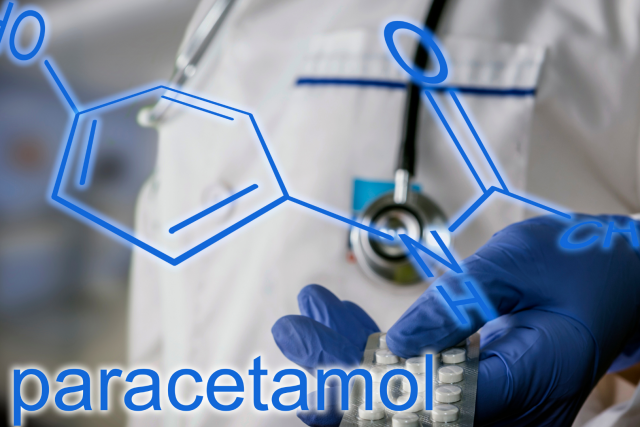
    Ibuprofen and paracetamol (acetaminophen) are two common over-the-counter medicines used to treat pain and fever and are sometimes used to treat other health conditions. Both medicines come in tablet form, although paracetamol can also be sold in liquid form. However, the active ingredients in both medicines are the same.

    Ibuprofen and paracetamol are one of the most common medications used to treat pain and inflammation. The first is a non-steroidal anti-inflammatory drug (NSAID), while the other is a non-steroidal anti-inflammatory and antipyretic drug (NSAID AND ANTI-PROTRIPTY). Both drugs have been in use for many years and have similar effects, but do you know the difference between the two?

    What is Ibuprofen?

    Ibuprofen is a yellow-orange crystalline powder that’s a widely used anti-inflammatory pain reliever. It’s a member of the Non-steroidal anti-inflammatory drug (NSAID) family, along with aspirin, acetaminophen, and naproxen. NSAIDs are commonly used to relieve mild to moderate pain and to reduce fever. They work by inhibiting the formation of prostaglandin, a naturally occurring chemical messenger responsible for pain and fever.

    Ibuprofen (trade name Ibuprofen, also sold under the trade names Advil, Nuprin, Midol, Motrin, and others) is a non-steroidal anti-inflammatory drug (NSAID) or painkiller. The drug is widely used in medicine and is available over the counter. It is used to treat a number of conditions, such as fever, inflammation, headaches, and menstrual pain.

    What is Paracetamol?

    Paracetamol is the brand name for a group of painkiller drugs known as acetaminophen (or paracetamol). The active ingredient in these medications is usually specified as either “paracetamol” or “acetaminophen.” Paracetamol is a non-prescription drug that comes in the form of tablets, capsules, and liquid. It works by blocking the production of chemicals in the body that is responsible for pain. These chemicals are called “prostaglandins.”

    Paracetamol (also known as acetaminophen) is a medication in the non-steroidal anti-inflammatory drug (NSAID) family – a type of drug that is used to relieve mild to moderate pain and reduce fever. It is sold in tablet, capsule, and liquid form. At what dose should you take it? This depends on the type of pain being treated. For example, a person may only need a tablet or capsule of paracetamol for mild pain, whereas a person with a head injury may need a different dose for each symptom at the time.

    How do you take them?

    Ibuprofen and paracetamol are the most common over-the-counter painkillers, and there are basically two ways of taking them. If you take them with water (i.e., ibuprofen), you swallow them. If you take them with food (i.e., paracetamol), you take them in capsules or tablets and put them under your tongue. 

    So, what is the difference between Ibuprofen and Paracetamol?

    There are a lot of different over-the-counter pain relievers on the market, each with its own unique strengths. Ibuprofen (or Advil) is a synthetic non-steroidal anti-inflammatory (NSAID) that can be taken as a tablet, a chewable, or a liquid. Paracetamol is a natural pain reliever made from pain-relieving chemicals found in plants. Ibuprofen has a lot of uses and is generally safe to use. Paracetamol is relatively safe but can cause drowsiness and is not as effective as ibuprofen.

    Ibuprofen and paracetamol are both commonly used as painkillers, but the two are very different. Ibuprofen helps reduce pain by inhibiting enzymes that cause inflammation, while paracetamol reduces pain by suppressing the release of certain chemicals in the brain. Ibuprofen is generally taken for longer periods of time, while paracetamol is generally taken in smaller doses. The differences between these painkillers may seem insignificant, but they can have a noticeable impact on your health.

    But what’s the difference between the two? Health professionals say the biggest difference is the way they work. For example, paracetamol can stay in your system for up to 8 hours, while ibuprofen goes only 3. Ibuprofen also works by blocking substances (such as prostaglandins and hormones)

    There are many different types of painkillers on the market, and some of them are quite similar to each other, but one that is often confused for the other is ibuprofen and paracetamol. Both drugs are completely different types of painkillers used to help people with different types of pain, but they do have some similarities.

  • Overcoming Challenges in Mobile Healthcare

    Overcoming Challenges in Mobile Healthcare

    For those in the healthcare industry, we know how difficult it is to get into the mobile analytics game. It’s one of those technologies that are often so underdeveloped that it’s considered ‘too hard to do.’

    But, when we look at the mobile health space, we see a lot of opportunities for developers that are otherwise difficult to access in the typical healthcare environment. Smartphone technology is one of these areas that enables developers to build healthcare applications that can collect patient data in various ways, process it and analyze it, and then use this data to influence the care provided to a patient. Let’s talk about mobile healthcare.

    What is Mobile Healthcare?

    You probably think of a healthy lifestyle or well-being when you think of health. But what if your health is compromised in a way that can compromise your work or other activities? In situations like these, mobile health can help. Mobile health is the study of telehealth, which includes mobile health, telemedicine, telemonitoring, and telehealth applications.

    As our lives become more connected, so too does our health. Telehealth is an ideal solution for acute and chronic conditions that can be difficult to manage in traditional healthcare systems. Telemedicine is the use of telecommunication to perform medical procedures. Mobile health technologies provide access to health information via mobile devices. This means that the doctors office could be visited without physically travelling to the location–virtual communication could be established for consulting medical professionals.

    Truth be told, mobile technology has the potential to improve health outcomes in many ways. Devices can track our daily habits, offer reminders about medications, and even help us monitor our health and fitness. However, mobile health (mHealth) systems are often underutilized by their users like many other technologies. After all, many of us are hesitant to use medical apps, wear medical devices, or even put medical information on our phones.

    The Challenges

    Mobile healthcare is becoming an important trend in the world of medicine. The idea is simple, but the ramifications are vast and range from how people are able to receive medical care to the way medicines get to patients and how medical records are stored.

    Perhaps the most difficult part of getting your mobile health (mHealth) system up and running is the patient-side integration. Assuming you’ve chosen a platform that meets your organization’s needs, the next step is to ensure that your system can communicate with the disparate platforms that comprise your patient’s life. In that regard, healthcare organizations can opt for an integrated software solution that provides facilities like emergency and dispatch tracking, consultation records, information exchange, patient care reports, and more. All the data can be accessed by a medical professional as well as by the patient themselves, with the help of a medicare mbi converter (i.e. Medicare Beneficiary Identification, converter).

    How Did Mobile Healthcare Overcome It?

    The rapid growth of the mobile health (mHealth) field over the years has ushered in a transformative era in healthcare. A multitude of health applications have emerged, empowering individuals to monitor and manage their health effectively. However, the journey towards seamless healthcare on mobile devices wasn’t without its challenges. Here, the pivotal role of Medical Directors comes into play. These dedicated professionals seem to have played a significant part in overcoming the hurdles and ensuring the success of mobile healthcare in various businesses.

    As the mobile market expanded and healthcare services transitioned to mobile devices, Medical Directors, likely found with the help of Guardian MD and similar companies, were instrumental in bridging the gap between technology and healthcare. They provided essential guidance and expertise to ensure the delivery of high-quality medical services through mobile platforms. With their leadership, medical professionals and patients found innovative ways to leverage mobile devices for improving healthcare outcomes.

    What’s new with the mobile healthcare industry?

    Despite the rapid growth of smartphone users around the world, there is still not a single product available on the market that can help you diagnose and treat a heart attack or any other life-threatening medical condition. That is about to change, however, as a number of start-ups are coming up with innovative new ideas to build a medical device that can be used in the absence of an actual doctor.

    Mobile healthcare solutions are emerging in the healthcare industry and are highly anticipated by the market. However, these solutions are not only limited to the health sector; they can also be incorporated by other sectors such as manufacturing, transportation, and education. In the field of mobile health, this is a challenging factor as many of the systems are not yet implemented, and the current solutions are not easy to use and execute. Further systems testing, analysis and research on the technology may be required to optimize their usability. Concept testing and development may also be required to make the mobile devices more efficient and effective in bringing out the best results. In addition to that, an evaluation of better marketing landscapes should be conducted so as to find the most suitable places to lay down these pieces of technology to be optimally used. This may be a little difficult to achieve, and external expertise and changes from entities like IDR Medical could be instrumental in revolutionizing the product. The introduction of a product would be followed by several tweaks, adjustments, and improvements. Similarly, mobile devices used in the medical industry would also be subject to similar changes..

    The implementation of technology has made several processes and treatments more effective, bringing out higher success rates, and improving the mortality rates of a country’s populace. Therefore, the modern healthcare system is heavily reliant on technology. A wide range of tools enables health care workers to improve patient care while providing better outcomes. The benefits of a health care system equipped with technologically advanced tools are hard to ignore.

  • Does CBD Get You High?

    While CBD is among the more popular cannabinoids in cannabis, it isn’t CBD that gets you high-the psychoactive compound in cannabis, THC, is the part responsible for that. There is a lot of evidence to show that CBD can help alleviate anxiety and pain, while THC is more likely to make you paranoid and cause you to feel tired or hungry. There are different types out there for people to try, and a variety of ways that they can be consumed, so whether you are leaning more towards a cbd tincture for women or trying out gummies, there is something for everyone.

    So, if you are looking for a product that is not going to go beyond being calming and soothing, then CBD is it, and something available online. You could, for instance, try https://blessedcbd.de to serve your recreational or medicinal needs.

    Does CBD Get You High?

    The stigma surrounding cannabis has been steadily declining since the 1970s. Now, cannabis is widely accepted as a safe and viable treatment for those with symptoms of anxiety, depression, insomnia, chronic pain, and other conditions. However, there are a few things you need to know before you consider trying cannabis. As is true with all medications, cannabis has the potential to react with other medications you may be taking, and if you have a mental illness, there may be additional risks. Learn more about how cannabis interacts with other medications and how it may affect your mental health.

    Can you get high from CBD oil?

    If you find yourself pulled to CBD oil but aren’t sure why you’re not alone. CBD (cannabidiol) oil, such as those available on websites of sellers similar to buy my weed online, has become one of the fastest-growing health and wellness trends in recent years, with CBD proponents claiming it offers several health advantages. CBD oil is derived from hemp and, unlike marijuana, is non-psychotropic and does not generate the “high” associated with marijuana. On the flip side, however, if you’ve never experimented with cannabis before, you might want to be cautious about trying CBD oil since some studies have linked the oil to THC poisoning and overdose. However, can someone get high from CBD oil? Well, CBD is often taken alongside THC, the part of the cannabis plant responsible for getting a user “high.” So, be aware of this so that you are only taking the CBD part when looking towards its medicinal properties.

    CBD vs. THC

    The cannabis plant contains several active chemical compounds, including cannabidiol (CBD) and cannabidiol (CBDa), which come from both hemp and marijuana. The two compounds are chemically similar, but their effects on the body are quite different. While THC is the compound responsible for getting you high, CBD won’t and so can be used to treat a range of medical conditions, including epilepsy and multiple sclerosis.

    Health uses and effects of CBD

    CBD, or cannabidiol, is a naturally occurring cannabinoid in cannabis plants. Compared to THC, CBD doesn’t get the user high. CBD interacts with your body’s endocannabinoid system (ECS), a network of cannabinoid receptors and endogenous compounds that interact with neurotransmitters, hormones, and other cells. The ECS plays a role in so many biological processes, from sleep and appetite to pain and immune response.

    Cannabis has made headlines recently, particularly regarding its possible health benefits. One of the chemical compounds found in cannabis, CBD, has gained a lot of interest lately-and for a good reason. Because CBD is not responsible for getting people high, it is legal in all 50 states (though there are exceptions). And in significant research, CBD shows promise as a treatment for depression, anxiety, chronic pain, PTSD, and other conditions. Those suffering from any of these issues can order some CBD-based products from websites similar to http://hibridco.com/menu/ to try them out themselves.

    Does CBD have side effects?

    Among the many products many consumers are turning to is CBD, a non-psychoactive compound found in cannabis. Because CBD is not psychoactive, users don’t get the high associated with marijuana or hashish. However, CBD does work in a variety of ways, including helping relieve pain, reducing stress, and boosting sleep. In 2016, CBD was reported to be legal in all 50 states, with CBD-infused products on the shelves of nearly every major grocery store. Moreover, buying from such places can benefit the customers since these shops may be registered with the local government as well as may have a POS system (accessible through posabit login or a similar software system) that can record transactions. The Food and Drug Administration (FDA) hasn’t approved CBD yet, but the agency says it is reviewing the compound. The FDA regulates all prescription and over-the-counter (OTC) drugs.

    Many companies use CBD in their products, but CBD doesn’t get you high. CBD is a natural compound that, when ingested, binds to and is metabolized by the endocannabinoid system, which regulates and controls various functions in the body. It’s sometimes referred to as the “master cannabinoid” because it helps regulate other endocannabinoids, such as THC. Although studies have shown some promising results for the potential benefits of CBD in humans, there remains a lot of uncertainty about what CBD does and how it affects the body. This leaves it very much for users to experiment with the mind that it might just help.

  • How Much Protein Do We Need?

    How Much Protein Do We Need?

    Food is essential to life. Nutrition plays a huge role in the health of people, and when the body is in optimal health, protein is one of the most important nutrients to have. Unfortunately, not everyone understands how important protein is. Some people believe that if they eat enough protein, their body will be in a state of constant satiation, which is simply not true.

    Humans need proteins to keep functioning, but there’s a limit to the amounts we should consume. Our bodies use proteins to generate energy, but the unused proteins then get recycled throughout the body. The human body can only store a limited amount of proteins, so we must take into consideration the amount of protein we’re burning, as well as the amount we’re taking in.

    Protein is a type of nutrient that the body needs to function properly. It plays a vital role in building and maintaining muscle and other tissues, such as nerves and blood vessels. The question is, how much protein is enough to maintain a healthy diet?

    What is protein?

    Protein is an essential nutrient needed for growth and metabolism. It is a major structural component of the body and is essential in blood clotting, and maintaining immune function. Protein is essential for our health, serving as a fundamental building block for the body. While it’s commonly known as an energy source, it plays a crucial role in forming muscles and bones.

    Moreover, specific proteins like Leydig cells, Steroidogenic acute regulatory proteins, 17β-hydroxysteroid dehydrogenases, and 5α-reductases can help in regulating testosterone production and metabolism. Individuals with deficiencies in these proteins may need to opt for treatments like Testosterone Replacement Therapy, available at a TRT Clinic Austin or similar clinics elsewhere, to enhance their hormone levels. So, it is important to take the required amounts of protein to be healthy.

    There are two types of protein:

    • Complete (also called animal-derived)

    Complete” (also called “animal-derived”) proteins from food sources that are good sources of protein are, in order: meat, poultry, eggs, fish, dairy, and legumes. Consuming more of these proteins than you need is generally a good thing because it will make you feel satiated and can help you obtain or maintain your ideal body weight, if not more.

    • Incomplete (also called plant-derived).

    Incomplete protein (also called plant-derived) is the term used for proteins containing only the amino acids present in the whole plant. For example, soy protein is plant-derived, as it is composed of all the essential amino acids. So, what are the problems with it? The main issues with incomplete proteins are that it lacks some essential amino acids, such as methionine. Also, plants use the essential amino acids they don’t contain in different ways than animal proteins do, so you may not get the same benefits from supplements made of plants as you would from animal proteins.

    So, how much protein do we need?

    The optimal amount of protein we need to eat depends on several factors, including age, gender, and overall health. The belief that protein should be eaten in abundance as a bulking agent arose from the misconception that all protein is created equal.

    The body has a limited amount of protein available at a time, so if you don’t eat enough protein, you will have to rely on the protein you do have for energy. There are two primary sources of protein for humans: animal (meat) and vegetable (plant) sources. The amount of protein you need to eat depends on how active you are, how much muscle you have, and how much weight you want to lose.

    The RDI for protein is 0.8g per kilogram of body weight, but this is only for adults. For children, it is about 0.4g per kilogram. Children get more protein from milk than adults do. A 100-pound child will need about 35 grams of protein a day, and a 200-pound child about 50 grams.

    The amount of protein we eat each day is an important part of our diet. Most of us are aware that protein is an essential part of any diet, but we often don’t know how much protein is enough. Most people guess, which is dangerous because an incorrect amount can lead to weight gain or even serious health issues.

  • Eye Strain: How to Deal with It

    Eye Strain: How to Deal with It

    Do you ever get headaches when you read? Or maybe you feel straining to, see? There are a number of reasons why this might happen, from not being able to hold your eyelid open to even being too near an illuminated screen. Though there’s no way to prevent it, there are a few things you can do to reduce the strain on your eyes.

    The eye is a muscle that moves your vision for you but doesn’t do it for itself. Every day, it works to focus light on the back of your eye, which is where the eye muscle and the light converge. This is where the light energy is concentrated and the part of your eye that you see.

    What is an eye strain?

    Eye strain is a condition that affects those who use their eyes for long periods of time. It can cause watery eyes, burning, blurred vision. It can even lead to headaches and fatigue.

    Staring at a computer screen for too long can lead to eye strain, characterized by tired, tired eyes, dry eyes, and headaches.

    Having worked in the computer industry for nearly a decade, I can tell you that excessive computer usage can be stressful for your eyes. You’d be surprised how much strain you can put on your eyes looking at a computer monitor. Many people are under the impression that computer monitors are not a cause for eye strain, especially since the screen is very small and can be viewed from a distance. Yet, this is not the case. As the number one cause of eye strain, computer monitor use can cause fatigue, headaches, dry eyes, blurred vision, and sore eyes. If left unchecked in its initial stage, the condition of your eyes can worsen with time, and lead to issues like migraine as well. Hence, it is best to visit a melbourne eye clinic (or a similar one elsewhere) to have it checked before the eye strain turns into something more serious. But before that, you can practice certain techniques to try and manage it yourself.

    Here’s how to deal with eye strains:

    • Adjust monitor brightness

    Eye strain from staring at a screen for long periods of time has become a growing concern, with experts claiming that too much computer usage can lead to deterioration of vision, headaches, and eye strain. If this sounds familiar, you’re not alone. Many people have trouble adjusting to the brightness of their monitors, especially in dimly lit rooms. A solution that many people have successfully used is to adjust the brightness of their screens.

    • Change screen settings

    If you spend a lot of time working on your computer, your eyes are going to hurt. If you’re like most users, you probably spend a lot of time in full-screen mode, and you may not realize it’s not just a matter of screen glare. When you’re in full-screen mode, your eyes are constantly shifting focus between the screen and the far side of the monitor. The result of this constant movement is a burning sensation, which usually gets worse over time. You can actually see evidence of your eyes focusing on the screen and then refocusing back out.

    • Blink frequently to refresh eyes

    When you blink, a series of three muscles (the lateral, medial, and superior recti) contract and relax in a kind of rhythm. This helps keep the eye moist and comfortable. When it’s working properly, you don’t even know it’s happening, but every blink also signals our brain that it’s time to blink again. As long as your eyelids are open all the time, you may never know when your body is telling you to blink.

  • Reasons to Visit a Gastroenterologist

    Reasons to Visit a Gastroenterologist

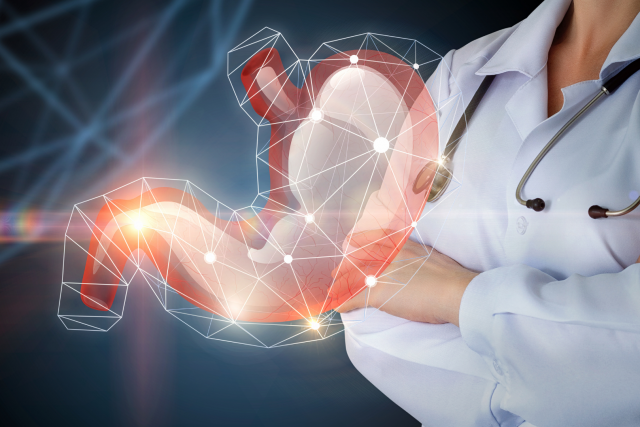
    While the causes of stomach pain are numerous, that doesn’t change that it still sucks. And if you feel like you’re just one step away from a major episode of stomach pain, then you’re not alone. It’s normal to experience discomfort while digesting food, but if your stomach pain is chronic and severe, then you should consult a gastroenterologist.

    Here are the following reasons to visit a gastroenterologist:

    • Structural problem with the bowel. One of the chief reasons to visit a gastroenterologist is to rule out any structural problem with the bowel. However, doctors rarely ask a person without any symptoms to come in for a physical check-up. A gastroenterologist is an expert in the field of gastroenterological diseases. These are diseases of the digestive system. They range from the common cold to more serious problems.
    • There’s a lump in the throat. There are a number of reasons to visit a gastroenterologist, one of which is a lump in your throat. Individuals who have lumps in their throats will certainly be worried about the cause of the lumps. A recent study published in the American Journal of Gastroenterology found that 50% percent of adults over the age of 60 had a lump in their throat that did not cause any other symptoms.
    • Heartburn. Heartburn is a common symptom of a number of health conditions, including gastroesophageal reflux disease (GERD), peptic ulcer disease (PUD), gallstones, and others. It is also very hard to diagnose. While the different conditions have different symptoms, heartburn is a burning feeling in the chest, usually at the back of the throat, that occurs when acidic stomach content backs up into the oesophagus.
    • Preventative screenings. The medical community recently changed its stance on the importance of preventative health screenings. These screenings have become more important as the population ages, and the government requires insurers to cover treatment for high-risk conditions. Among the recommended tests are colonoscopies, virus tests, and other procedures that can be used to screen for cancer.
    • Unexplained weight loss. Weight loss, especially weight loss that is unexplained or accompanied by other health problems, is a big reason to visit a gastroenterologist. Gastroenterologists are generally well-equipped to properly diagnose and manage these issues if they are causing weight loss.
    • Prolonged bloating or abdominal pain. Abdominal pain or bloating is a common complaint mostly among women. It is usually seen as a result of a “congested belly,” which is a condition that causes the area of the belly to expand and cause pain. Some women also experience abdominal pain or bloating after pregnancy. The pain may also be due to infections or parasites and can be cured by visiting a doctor. Visiting a gastroenterologist in case of abdominal pain can be beneficial because they can accurately diagnose the problem and direct you to a pain clinic in Tempe, AZ (or elsewhere), or give you the appropriate medication and instructions for recovery.
    • Rectal bleeding. Rectal bleeding is a common occurrence because of several factors. The most common is bleeding of unknown origin caused by a slight irritation inside the rectum. Another reason is bleeding as a result of inflammation of the rectal mucosa. Even if rectal bleeding is a symptom of an underlying condition, a doctor may advise you to have a stool test.
    • Food intolerances, sensitivities, and allergies. Food allergies, sensitivities, and intolerances are used to describe the adverse effects of foods that are not perceived to be “allergenic” to the body. These symptoms can impact people of all ages, sexes, ethnicities, and grades. These effects can range from mild to severe and can be both immediate and delayed.

    There are many reasons to see your doctor regarding your stomach pain from a medical perspective. Medical tests are performed to rule out other causes of your symptoms, such as Peptic Ulcers, Gastric Cancer, Irritable Bowel Syndrome, etc. The next step involves disease detection, with a scope and biopsy if needed, followed by a medication trial to see if the symptoms can be controlled with a new protocol. If this is unsuccessful, then surgery is the next step. And, you can always ask your doctor to refer you to a specialist if you feel that you need one.