Category: Health

  • Laser Eye Treatments: A Comprehensive Guide to Vision Correction Options

    Laser Eye Treatments: A Comprehensive Guide to Vision Correction Options

    Laser eye treatments have revolutionized the way people approach vision correction. These procedures offer a quick and effective solution for those seeking to reduce or eliminate their dependence on glasses or contact lenses. As technology advances, more individuals are exploring their options, making it essential to understand the available treatments and their benefits.

    Various laser techniques, such as LASIK and PRK, cater to different vision issues, including nearsightedness, farsightedness, and astigmatism. The increasing popularity of these methods can be attributed to their high success rates and minimal recovery time, allowing patients to resume their daily activities swiftly. For many, laser surgery can greatly improve vision, offering a long-term solution that reduces or even eliminates the need for glasses or contact lenses.

    For anyone considering laser eye treatments, it’s crucial to weigh the pros and cons and seek professional guidance. Knowledge about the procedures can lead to informed decisions and better outcomes, enhancing the overall experience and satisfaction.

    History of Laser Eye Treatments

    Laser eye treatments have evolved significantly since their inception in the late 20th century. The development of excimer lasers marked a major breakthrough in this field.

    In the 1980s, the first successful laser eye surgeries were performed. These procedures utilized lasers to reshape the cornea, improving vision. The PRK (Photorefractive Keratectomy) technique gained prominence during this period.

    By the early 1990s, LASIK (Laser-Assisted In Situ Keratomileusis) emerged as a popular alternative. This technique offered faster recovery times and less discomfort. It quickly became the preferred choice for many patients seeking corrective eye surgery.

    Further advancements took place in the 2000s with the introduction of wavefront technology. This innovation allowed for more personalized treatments, correcting higher-order aberrations in vision.

    As technology continued to advance, newer techniques such as SMILE (Small Incision Lenticule Extraction) were developed. These methods aim to reduce complications and enhance patient satisfaction.

    Today, laser eye treatments are widely regarded as safe and effective options for vision correction. They have transformed the landscape of ophthalmology, providing millions with improved eyesight.

    Types of Laser Eye Treatments

    Laser eye treatments are designed to correct various vision problems, offering patients options based on their specific needs. The most common types include LASIK, PRK, LASEK, and SMILE, each with unique characteristics and benefits.

    LASIK

    LASIK, or Laser-Assisted In Situ Keratomileusis, is widely recognized for its effectiveness and quick recovery time. This procedure involves creating a thin flap in the cornea using a microkeratome or femtosecond laser.

    After the flap is created, an excimer laser reshapes the underlying corneal tissue to correct refractive errors like myopia, hyperopia, and astigmatism. Patients often experience improved vision within hours, and most report minimal discomfort during and after the procedure. Whether you’re considering LASIK eye care Boise, or locally, the procedure remains a popular choice for those seeking long-term vision correction due to its high success rate.

    PRK

    PRK, or Photorefractive Keratectomy, is an alternative to LASIK that does not involve creating a corneal flap. Instead, the outer layer of the cornea is removed, exposing the area for reshaping with an excimer laser.

    This method is beneficial for patients with thinner corneas or those who may be at risk for flap-related complications. Recovery may take longer than LASIK, with patients experiencing discomfort and blurriness for several days. However, PRK is effective in correcting similar vision issues as LASIK and is well-suited for certain individuals.

    LASEK

    LASEK, or Laser Epithelial Keratomileusis, combines elements of both LASIK and PRK. It involves creating an epithelial flap by loosening the epithelial tissue with a dilute alcohol solution. The excimer laser then reshapes the cornea beneath the flap.

    This method preserves more corneal tissue and can be ideal for patients with less corneal thickness. The recovery process may be similar to PRK, with some discomfort and visual fluctuations initially. LASEK is another option for addressing a range of refractive errors effectively.

    SMILE

    SMILE, or Small Incision Lenticule Extraction, is a newer technique that differs from traditional methods by creating a small incision on the cornea. The laser forms a lenticule—a small, disc-shaped piece of tissue—within the cornea, which is then removed through the incision.

    This minimally invasive approach preserves corneal nerves, potentially reducing dry eye symptoms post-operation. Patients may experience quicker recovery times and less postoperative discomfort compared to LASIK. SMILE is primarily used to treat myopia and is gaining popularity for its advantages in patient comfort and healing.

    How Laser Eye Treatments Work

    Laser eye treatments involve several precise steps that ensure safety and efficacy. The process includes preoperative evaluations, the actual laser procedure, and postoperative care to optimize healing and results.

    Preoperative Procedures

    Before undergoing laser eye treatment, patients participate in a comprehensive evaluation. This assessment includes a thorough eye exam, which evaluates visual acuity, overall vision clarity, and the general health of the eyes.

    Measurements, such as corneal thickness and shape, are taken to determine the suitability for laser surgery. Patients may also undergo tests like wavefront analysis to tailor the procedure to their specific needs.

    Discussion of medical history and any previous eye conditions is essential. Additionally, patients should consult with their ophthalmologist about potential risks and expected outcomes.

    Laser Procedure Mechanics

    During the laser procedure, the patient is positioned comfortably, and numbing eye drops are administered. The most common types of procedures are LASIK, LASEK, and PRK, each utilizing lasers to reshape the cornea.

    A microkeratome or femtosecond laser is used to create a thin flap on the cornea for LASIK. The excimer laser then reshapes the underlying corneal tissue. In LASEK and PRK, the outer layer is removed or adjusted.

    These lasers operate on specific wavelengths to precisely correct refractive errors. The procedure typically lasts between 10 to 30 minutes per eye, resulting in minimal discomfort for patients.

    Postoperative Care

    Postoperative care is crucial for recovery and optimal results. Patients are generally advised to rest and avoid strenuous activities for a few days post-surgery.

    Follow-up appointments are scheduled to monitor healing. Eye drops may be prescribed to reduce inflammation and prevent infection. Patients should also wear protective eyewear when outside to shield their eyes from irritants.

    Instructions on avoiding rubbing the eyes and maintaining hydration are provided. Adhering to these guidelines significantly enhances the chances of achieving clear vision.

    Benefits of Laser Eye Treatments

    Laser eye treatments offer several advantages for individuals seeking vision correction.

    • Quick Recovery Time: Many patients experience a rapid improvement in vision shortly after the procedure. Most are able to return to normal activities within a day or two.
    • Reduced Dependency on Glasses or Contacts: Laser treatments can significantly lessen or eliminate the need for corrective lenses. This provides greater freedom and convenience in daily life.
    • High Success Rate: These procedures are supported by extensive research and clinical studies. A majority of patients report satisfaction with their results.
    • Customized Treatments: Laser eye surgeries can be tailored to meet individual needs. Advanced technology allows for precision in addressing specific vision problems.
    • Minimal Discomfort: Patients typically report minimal pain or discomfort during the procedure. Anesthesia is used to ensure comfort throughout.
    • Long-lasting Results: The effects of laser vision correction are often permanent. Many patients enjoy improved vision for years following the surgery.
    • Safety: Laser eye treatments are performed by trained professionals in controlled environments. They follow established protocols to minimize risks.

    These benefits make laser eye treatments an appealing option for those considering corrective vision solutions.

    Risks and Potential Complications

    Laser eye treatments, while generally safe, do carry certain risks and potential complications. Patients should be aware of these factors before undergoing the procedure.

    Common Risks:

    • Dry Eyes: Temporary dry eye symptoms can occur after surgery, resulting in discomfort and blurred vision.
    • Glare and Halos: Some individuals may experience glare, halos, or starbursts around lights, particularly at night.

    Potential Complications:

    • Infection: There is a small risk of infection post-procedure, which may require treatment with antibiotics.
    • Vision Changes: In some cases, individuals may experience a decline in vision quality, necessitating further corrective procedures.

    Less Common Risks:

    • Undercorrection or Overcorrection: The desired vision correction may not be fully achieved, leading to the need for additional procedures.
    • Corneal Ectasia: Rarely, the cornea may become unstable, causing vision distortion.

    Patients considering laser eye treatments should discuss these risks with their healthcare provider. Careful evaluation and preparation can help mitigate some of these potential issues. A thorough understanding of one’s own eye health is crucial.

    It is also important to remember that some of the less common but more serious complications may sometimes be linked to unqualified practitioners or clinics that fail to follow proper medical standards. Choosing a licensed and experienced eye specialist, along with a reputable medical facility, can make a significant difference in both safety and results.

    If a situation does arise where negligence results in injury or complications, patients have the right to seek legal guidance and pursue compensation for additional medical care. In such cases, some individuals may choose to reach out to legal professionals such as The Insiders at The McMahan Law Firm or similar experts in medical negligence and personal injury law to better understand their rights and available options.

    Suitability for Laser Eye Treatments

    Determining suitability for laser eye treatments involves various medical and health considerations. Several key factors influence whether a patient is an appropriate candidate for these procedures.

    Medical Evaluation Criteria

    A thorough medical evaluation is essential prior to undergoing laser eye treatments. Candidates typically undergo a comprehensive eye examination, including tests for refractive error, corneal thickness, and overall eye health.

    Key conditions that may affect eligibility include:

    • Severe dry eye: This may lead to complications during and after the procedure.
    • Corneal diseases: Conditions like keratoconus can disqualify a candidate.
    • Retinal issues: Previous retinal surgeries or eye diseases may pose risks.

    Patients should also disclose any history of systemic conditions, such as autoimmune diseases or diabetes, which can impact healing.

    Age and Health Considerations

    Age plays a significant role in determining suitability. Most clinics recommend that candidates be at least 18 years old. This is to ensure that vision has stabilized, as younger patients may still experience changes in their vision.

    Health factors are equally important. Candidates should be in generally good health, free from untreated eye conditions, and not pregnant or nursing.

    Other considerations include:

    • Pupil size: Larger pupils may increase the risk of glare or halos post-surgery.
    • Medications: Certain drugs can affect healing or alter corneal stability.

    Assessing these factors ensures a higher chance of a successful outcome and minimizes potential risks.

    Recovery and Healing

    Recovery after laser eye treatment varies depending on the specific procedure and individual circumstances. Generally, patients can expect to experience some temporary discomfort, such as dryness, itchiness, or light sensitivity.

    Key Recovery Tips:

    • Rest the Eyes: It is crucial to avoid activities that strain the eyes for the first few days.
    • Follow-Up Appointments: Scheduled follow-ups with the eye doctor ensure proper healing and monitor progress.
    • Use Prescribed Medications: Patients should adhere to the use of prescribed eye drops to prevent infection and control inflammation.

    Typical Recovery Timeline:

    Day Activity
    1 Rest and minimal screen time
    3 Resume light tasks
    7 Most daily activities can resume, but avoid swimming
    30 Full recovery in most cases

    Throughout the recovery phase, hydration is vital. Drinking plenty of water aids in overall healing.

    Patients should also avoid rubbing their eyes and be cautious about exposure to irritants, such as smoke or dust. Wearing sunglasses outside can help protect sensitive eyes from bright light and wind.

    Most people can return to normal activities within a few days, but healing may take several weeks for optimal vision stabilization.

    Effects on Vision Quality

    Laser eye treatments can lead to significant changes in vision quality, both in the short and long term. Understanding these effects helps individuals make informed decisions regarding their eye care.

    Short-Term Outcomes

    In the immediate aftermath of laser eye procedures, patients often experience various visual effects. Common short-term outcomes include:

    • Blurry Vision: Patients may notice blurriness, particularly within the first few days, as the eyes heal.
    • Halos and Glare: Some individuals report seeing halos around lights or increased glare, especially at night.
    • Dry Eyes: Temporary dryness is common, with many requiring artificial tears for relief.

    Most of these symptoms diminish within a few weeks. Regular follow-up visits with an eye care professional can help monitor progress and address any concerns.

    Long-Term Prognosis

    The long-term effects of laser eye treatments generally show positive trends in vision quality. Studies indicate that:

    • Stable Vision Improvement: Many patients achieve 20/25 vision or better, enhancing daily activities.
    • Reduced Dependence on Glasses or Contacts: A significant number of individuals report less reliance on corrective eyewear.
    • Possible Regression: A small percentage may experience regression over time, necessitating enhancements or touch-up procedures.

    Most patients enjoy long-lasting effects, with routine check-ups recommended to ensure continued eye health and vision clarity.

    Advancements in Laser Technology

    Recent innovations in laser technology have significantly improved the effectiveness of eye treatments. These advancements focus on precision, safety, and patient comfort.

    Types of Lasers Used:

    • Excimer Lasers: Commonly used for procedures like LASIK, excimer lasers are known for their accuracy in reshaping the cornea.
    • Femtosecond Lasers: These lasers create precise, thin corneal flaps, enhancing the LASIK process.
    • Wavefront-Optimized Lasers: These devices tailor the treatment to the individual’s vision profile, correcting higher-order aberrations.

    Enhanced Precision Techniques:

    • Custom Treatments: Personalization of laser settings based on wavefront analysis leads to better visual outcomes.
    • Real-Time Tracking: Advanced eye-tracking technology ensures that the laser targets the correct area of the eye during treatment.

    Safety Improvements:

    The latest laser systems incorporate features such as:

    • Automatic Shutdown Mechanisms: This reduces the risk of complications during procedures.
    • Reduced Recovery Time: Innovations have led to quicker healing processes, allowing patients to return to daily activities faster.

    These advancements contribute to more reliable and effective laser eye treatments, enhancing patient satisfaction and outcomes.

    Selecting a Provider

    Choosing the right provider for laser eye treatment is crucial for achieving optimal results. Important factors include the qualifications of the provider and the accreditation of the facility. Both aspects play a significant role in ensuring patient safety and quality of care.

    Credentials and Experience

    When selecting a provider, it is essential to verify their credentials. Look for eye care professionals who are board-certified ophthalmologists. They should have specialized training in laser eye surgery.

    Experience also matters significantly. A practitioner with a robust background in performing various laser procedures, like LASIK or PRK, is preferable. Many opt for professionals who have performed a high volume of successful surgeries.

    Questions to consider include:

    • How many procedures has the provider completed?
    • What is their complication rate?

    Each of these factors can influence the surgical outcome.

    Facility Accreditation

    The chosen facility should be accredited by recognized organizations, such as the Joint Commission or the American Association for Accreditation of Ambulatory Surgery Facilities (AAAASF). Accreditation ensures that the facility meets specific safety and quality standards.

    Additionally, it is beneficial to evaluate the technological resources available in the facility. Modern equipment can enhance precision and reduce recovery time.

    Points to verify include:

    • Is the facility equipped with the latest laser technology?
    • What measures are in place for patient safety?

    A well-accredited facility reflects the commitment to quality care and patient safety.

    Cost Considerations and Insurance

    The cost of laser eye treatments can vary widely depending on the type of procedure, the technology used, and the surgeon’s experience. Patients should expect to spend between $1,500 and $3,500 per eye for popular procedures like LASIK.

    Factors Influencing Cost:

    • Type of Procedure: Options include LASIK, PRK, and LASEK, each with different pricing.
    • Technology: Advanced technologies, such as wavefront-guided LASIK, may have higher costs.
    • Surgeon Experience: Established surgeons may charge more due to their expertise.

    Insurance Coverage

    Many health insurance plans do not cover laser eye treatments. Patients should verify their specific policy details to understand coverage options. Some may offer partial reimbursement or flexible spending accounts (FSAs) for elective procedures.

    Financing Options

    • Payment Plans: Many clinics offer financing plans that allow patients to pay over time, often with low or no interest.
    • Health Savings Accounts (HSAs): Patients can use pre-tax dollars to pay for procedures.

    Understanding these cost considerations and available payment options is crucial for patients considering laser eye treatments. It enables informed decision-making aligned with personal financial situations.

  • Braces: Should You Get Them?

    Braces: Should You Get Them?

    Braces are not just for children and teenagers. In fact, braces are for anyone with crooked teeth, crowded teeth, overlapped teeth, or gaps between the teeth. And, yes, even adults can benefit from braces! If you have been considering getting braces, it may be time to schedule a consultation. At your consultation, your dentist will have your teeth assessed and determine whether or not a brace is right for you. It is also a good time to ask any questions you may have about how braces work and what you can expect if you decide to have braces.

    No one likes the thought of braces, but for some, the benefits far outweigh the negatives. Braces can be valuable for treating many different orthodontic conditions, including overcrowded teeth, underbite, overbite, and crooked teeth. Braces work by applying pressure to the teeth to move them into their proper position slowly. Patients are often encouraged to wear braces for anywhere from 1 to 12 years, depending on the severity of the challenge.

    While most people associate them with straightening teeth, they also offer several other advantages. They can provide extra support to weaker teeth, help correct bite problems, and even make teeth appear longer or more evenly spaced. Over time, these improvements not only enhance the look of a smile but can also contribute to better oral health by making teeth easier to clean and reducing strain on the jaw.

    What Is a Brace?

    The brace is a dental device used to fix or adjust the position of teeth. Braces are used mainly for fixing tooth gaps, protruding teeth, and crooked teeth. Braces are the most used method to straighten teeth and are worn on teeth for a fixed period.

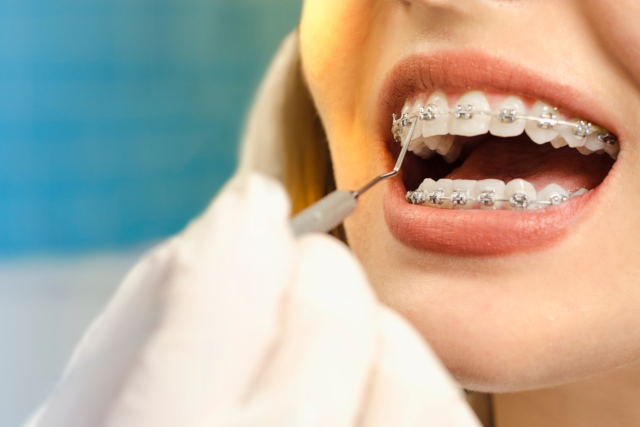
    These devices work by moving teeth gradually, using a combination of brackets and wires to guide them into their ideal positions. Brackets are attached to each tooth, and these are connected and controlled by a series of wires. The wires are held in place by elastics—small pieces of rubber that stretch and contract, pulling and pushing on the wires and brackets to move the teeth into desired positions. Experienced clinics like Level Orthodontics and similar others, ensure these treatments are customized for each patient, providing effective and precise results.

    Why do You Need a Brace?

    Braces are a common treatment for misaligned teeth, but they have come a long way as painful metal brackets and wires since their early days. They now incorporate materials like ceramic brackets and wires that wear like metal braces but are less noticeable. Providers of braces in Fremont (or elsewhere) can even offer personalized treatment plans, guiding patients through options that straighten teeth effectively while matching their lifestyle and aesthetic preferences.

    While often linked to crooked teeth or jaw issues, braces serve many purposes beyond appearance. Metal braces, made from stainless steel and shaped into precise patterns, work gradually to shift teeth into their ideal positions. Over time, they help correct bites, improve alignment, and support overall dental health, making them an effective solution for both functional and aesthetic concerns.

    The type of braces a person needs depends on their specific dental issue, and choosing the right option requires professional consultation. Thus, before making a decision, it’s essential to visit philadelphia family dental services, or a similar center elsewhere. A skilled dentist or orthodontist can assess the condition, recommend the best course of treatment, and ensure that you receive the right solution.

    How Long does it Take to Use Braces?

    Every tooth in the mouth is affected when someone has braces. Braces work on all the teeth-except the roots. The roots are in your jawbone. Although they will be touched, they are mostly hidden from sight. So, your braces might hurt more at first. But your teeth will move a lot faster if you do. Your orthodontist will make sure your teeth and gums are healthy before putting braces on you. And, once the braces are on, you need to be careful to use them properly. That will make the whole process easier and less painful.

    If you are about to wear braces, there are some things you need to know. Braces use special bands that put pressure on your teeth to help move them into better positions. However, braces can take some time to get used to. They work by wearing down and bending the wires as your teeth move or shift. This movement can require adjustment, and your dentist may recommend having your braces tightened after some time. For those looking for a less painful and quicker alternative, Invisalign offers a discreet option. While both treatments work by applying pressure to move teeth, Invisalign uses clear, removable aligners, making it easier to maintain oral hygiene and more comfortable overall. You can contact your desired Invisalign Provider for more information.

    Why Is It Important to Wear Braces?

    Those who are inspired to wear braces do so for any number of reasons. Perhaps they want to straighten out crooked teeth. Or they might have a bad bite that is driving them crazy. Whatever the reason may be, the important thing is they wear braces if you like the way you look and have the right teeth in the first place!

    It has been a generally accepted fact that wearing braces is an effective means to straighten your teeth. However, there have always been concerns about whether braces are good for your health or not. Of course, while braces are meant for correcting crooked and even misaligned teeth, they also affect one’s dental health in the long run. Wearing braces can rectify these problems, allowing you to speak, eat, and smile confidently.

  • What is a Legal Marijuana Card?

    What is a Legal Marijuana Card?

    Welcome to the world of legalized marijuana, where cannabis enthusiasts can obtain a legal marijuana card for medical or recreational use. With this card, you are granted access to purchase and consume cannabis products without fear of legal repercussions.

    But what exactly is a legal marijuana card? How do you get one? And what benefits does it offer users? In this blog post, we will explore everything you need to know about obtaining and using a legal marijuana card in different states across the US.

    So sit back, relax, and let’s dive into the world of green!

    How to Get a Legal Marijuana Card

    To get a legal marijuana card, you must first obtain a written recommendation from a licensed medical doctor. Once you have the recommendation, you can then apply to your state’s health department. If you are approved, you will be issued a medical marijuana card that will allow you to purchase cannabis from a dispensary.

    The process of obtaining a medical marijuana card can vary from state to state, so it is important to research the specific requirements for your area. Generally, you will need to provide proof of residency and identity, a doctor’s recommendation, and possibly a fee. Some states may also require you to complete an educational program or take an exam before issuing the card.

    Pros and Cons of Having a Legal Marijuana Card

    There are both pros and cons to having a legal marijuana card. On the plus side, having a card allows you to possess and use marijuana legally. This can be helpful if you need it for medical reasons or simply want to avoid any legal hassles.

    On the downside, cards can be expensive and difficult to obtain in some areas. Additionally, not everyone who uses marijuana will necessarily want or need a card. Ultimately, the decision of whether or not to get a card is up to the individual.

    How to Use a Legal Marijuana Card

    If you want to use marijuana for medicinal purposes, you will need to get a legal marijuana card. This card will allow you to purchase and use marijuana from dispensaries.

    To get a legal marijuana card, you will need to have a medical condition that has been approved for treatment with marijuana. You will also need to get a recommendation from a doctor. Once you have these things, you can apply for a card through your state’s Department of Health.

    Once you have your legal card, you can use it to purchase marijuana from a dispensary. Dispensaries are medical marijuana stores that sell cannabis products. When you go to a dispensary, you will be asked for your legal card and ID. You should also have a list of the products you want to buy. Dispensaries may also require proof of residency in the state where the marijuana is being purchased.

    When you purchase marijuana at a dispensary, make sure that you keep all of your receipts and store them in a safe place. This will help you keep track of what kind of product you purchased, how much it cost, and when it was purchased. This information can come in handy if there are ever any questions or disputes about your purchase.

    Finally, remember that even with a legal marijuana card, there are still laws governing how much cannabis can be possessed and used by individuals. Make sure to check with your state’s laws before using marijuana so that you are following all applicable rules and regulations.

    Where to Get a Legal Marijuana Card

    A legal marijuana card is an identification card that allows a person to purchase, possess, or grow cannabis for personal use. For those interested in cultivating their own cannabis, can search for platforms like Multiverse Beans, or similar other ones, for high quality seeds. However, it can be important to obtain the card first, as well as to understand the regulations regarding home cultivation in your state to stay compliant with the law. The card is issued by the state in which the person resides and is valid only in that state. There are a few states that have not legalized marijuana, so it is important to check the laws of your state before applying for a card.

    To get a legal marijuana card, you must first get a recommendation from a licensed doctor. The doctor will need to assess your medical condition and determine if you would benefit from the use of cannabis.

    Once you have received a recommendation, you can then apply for a card through your state’s health department. Some states require that you undergo a background check and fingerprinting as part of the application process. After your application has been approved, you will be issued a card that is valid for one year.

    A legal marijuana card is an important document that can enable its holder to legally access and purchase medical cannabis from licensed dispensaries. It is crucial for individuals who require medical cannabis to consult with their doctor before attempting to obtain a legal marijuana card, as it will help ensure they are taking the necessary steps toward obtaining safe and responsible access to the medicine they need.

    For those lucky enough to be authorized for a marijuana card, we hope this article has helped explain what it is used for and how you can go about getting one in your region.

  • Exploring the Different Types of Mental Health Problems

    Exploring the Different Types of Mental Health Problems

    Mental health problems affect millions of people worldwide, yet they remain one of the most misunderstood and stigmatized conditions. From anxiety to sex addiction, bipolar disorder to schizophrenia, mental illnesses can take many forms.

    Mental illnesses can present themselves in various forms, impacting individuals across their personal, social, and professional domains. For example, consider sex addiction; individuals grappling with this condition may find their heightened libido not only distracts them during work or responsibilities but also has adverse effects on those in their immediate surroundings. This is particularly significant for the partners of sex addicts, who often grapple with a multitude of emotions including guilt, shame, confusion, betrayal, and anger. Additionally, they may experience feelings of loss and abandonment, which can potentially lead to depression and other mental health challenges.

    Given the wide range of symptoms and underlying causes of mental health issues, it’s crucial to have a grasp of the various types of these disorders. In this blog post, we’ll delve into some of the most prevalent mental health conditions, offering valuable insights into their effective management and treatment. So, without further ado, let’s get started!

    Anxiety Disorders

    Anxiety disorders are the most common type of mental health problem. They can cause a range of symptoms, including feeling anxious, stressed, or scared, and can make everyday activities feel difficult.

    There are different types of anxiety disorder, including Generalized Anxiety Disorder (GAD), Panic Disorder, Social Anxiety Disorder (SAD), and specific phobias. Symptoms can vary from mild to severe and can be short-lived or long-lasting.

    If you experience anxiety, you could do a couple of things to manage it better. First, you could try out breathing techniques that shift your focus to abdominal breathing movements, which can allow you to experience some tranquillity in your mind. Then, you could also avail certain marijuana strains from a cannabis dispensary Emeryville or an e-store to consume when the anxiety sinks in. These two methods should ideally help you decompress and bring yourself back to normalcy.

    However, if your anxiety reaches severe levels, it’s important to see your GP for diagnosis and treatment. There are a number of effective treatments available, including talking therapies and medication. Plus, with the option to consult with a recovery coach specialist, such as those available at goal coach, who can help you bring together all the support you need and track progress towards your recovery goals, you can make significant strides in your mental health journey. With the right support, most people with an anxiety disorder can manage their symptoms and lead a full and fulfilling life.

    Mood Disorders

    Mood disorders are mental health conditions that involve a change in mood. The most common types of mood disorders are depression and bipolar disorder.

    Depression is a mental health condition that is characterized by a persistent feeling of sadness or emptiness. People with depression may also experience other symptoms, such as fatigue, insomnia, or difficulty concentrating. Depression can interfere with a person’s ability to work, study, eat, and sleep.

    Extreme mood swings are a hallmark of the mental condition known as bipolar disorder. Bipolar disorder patients may experience mood swings from being extremely happy or ecstatic to being extremely sad or depressed. Bipolar disorder can interfere with a person’s ability to function in day-to-day life.

    Personality Disorders

    There are a variety of different personality disorders that can affect individuals. These disorders can range from mild to severe and can impact an individual’s ability to function in society. Some of the more common types of personality disorders include:

    • Borderline Personality Disorder: Individuals with this disorder often have difficulty regulating their emotions. They may experience intense mood swings and may engage in impulsive or risky behaviors.
    • Narcissistic Personality Disorder: Individuals with this disorder exhibit an inflated sense of self-importance, and require excessive admiration from others. They may be preoccupied with success, power, and beauty.
    • Antisocial Personality Disorder: Individuals with this disorder often disregard the rights of others, and may engage in criminal or manipulative behavior. They may be callous and unemotional, and often have a history of substance abuse.

    Eating Disorders

    Eating disorders are a type of mental health problem where someone has an unhealthy relationship with food. This can involve overeating or undereating and can be a way of coping with other problems in their life. Eating disorders can lead to serious health problems, both physically and mentally. If you think you might have an eating disorder, it’s important to get help from a doctor or therapist.

    Trauma and Stressor-Related Disorders

    Trauma and stressor-related disorders are a group of mental disorders that are characterized by symptoms that occur after exposure to a traumatic or stressful event. These disorders can include posttraumatic stress disorder (PTSD), acute stress disorder, and adjustment disorder.

    Symptoms of trauma and stressor-related disorders can include flashbacks, nightmares, anxiety, depression, irritability, and difficulty concentrating. These symptoms can interfere with a person’s ability to function at work or school and can cause problems in relationships.

    Trauma and stressor-related disorders are treatable with psychotherapy, medication, and support from family and friends. If you or someone you know is experiencing symptoms of a trauma or stressor-related disorder, please seek professional help.

    Understand Mental Illnesses to Get the Help You Need

    Mental health issues are incredibly common, yet often misunderstood or ignored. We hope that this article has been informative in helping you better understand the different types of mental health problems and how to recognize signs when it may be time to seek help from a professional.

    While there is still much we don’t know about these conditions, it is important to remember that they can affect anyone and should not be taken lightly. With the right support, resources, and help from those around us, we can learn more about mental health issues and work towards creating a healthier society for everyone.

  • The Connection Between Mind & Body Health: Tips for Achieving Balance

    The Connection Between Mind & Body Health: Tips for Achieving Balance

    Are you feeling tired, stressed, or overwhelmed? It’s time to pay attention to the connection between your mind and body health. Achieving balance is essential for leading a healthy and happy life. In this blog post, we’ll share tips that will help you achieve harmony between your physical and mental well-being. You’ll learn how simple lifestyle changes can have a significant impact on your overall health, mood, and energy levels. So let’s dive in!

    The Connection Between Mind and Body Health

    It is widely accepted that there is a connection between mind and body health. This connection has been studied extensively and shown to have a significant impact on overall health and well-being. The mind-body connection is complex, but there are a few key points that are important to understand.

    First, the mind and body are interconnected and influence each other. This means that our thoughts, emotions, and behaviors can affect our physical health and vice versa. For example, chronic stress can lead to physical health problems like high blood pressure and heart disease. Conversely, physical issues can lead to mental health problems like anxiety and depression. So, you ought to address the issues you’re dealing with. If it is something like fatigue, you could allow yourself a full body massage from a reputed massage therapist in your area. Regular massages can lower stress levels and release tension from your muscles. However, if it is something more elaborate, like an illness, you ought to have it assessed by a medical professional.

    Second, mind-body interventions (MBIs) are effective ways to promote mind-body balance. MBIs are activities or techniques that help us become more aware of the mind-body connection and learn how to control it. Some examples of MBIs include yoga, meditation, Tai Chi, and Qigong.

    Third, achieving a balance between mind and body requires effort and commitment. It’s not something that will happen overnight – it takes time, patience, and practice. But it’s worth it! Achieving balance leads to improved physical health, mental well-being, and overall quality of life.

    What Factors Impact Mind and Body Health?

    There are many factors that can impact mind and body health. Some of these factors include diet, exercise, sleep, stress, and environment. By making healthy choices in these areas, you can help to improve your overall mind and body health.

    1. Diet: Eating a healthy diet is important for both your physical and mental health. Make sure to eat plenty of fruits, vegetables, whole grains, and lean protein. Avoid processed foods, sugary drinks, and excessive amounts of caffeine or alcohol. Unlike a nutrient-rich diet, bad eating can not only cause you weight gain and cardiovascular issues, but can also hinger your body’s function over time.
    2. Exercise: Exercise is not only good for your physical health but also your mental health. It can help to reduce stress levels, improve sleep quality, and boost mood. Aim for at least 30 minutes of moderate-intensity exercise most days of the week.
    3. Sleep: Getting enough sleep is crucial for both your physical and mental health. A lack of sleep hygiene can hinder your cognitive function, reduce your energy levels, and affect your mood too. Most adults need 7-8 hours of sleep per night. If you have trouble sleeping, try to establish a regular sleep schedule and create a relaxing bedtime routine. You could also take up some prescribed sleep supplements like melatonin gummies, which could help you fall asleep quicker and better.
    4. Stress: Too much stress can take a toll on your mind and body health. Try to find ways to manage stress through methods such as yoga, meditation, or journaling. Also, allow your mind and body some relaxation, perhaps with the help of alternative options such as cannabis. You could avail certain potent strains for relaxation at a dispensary near you, or opt for an Oakland weed delivery, if that’s where you live. Regardless of the approach you take, you should ensure that it is a method that suits you, so that it is a more seamless release of stress.
    5. Environment: The environment you live in can also impact your mind and body health. Make sure you live in a safe and clean home environment. Spend time outside in nature whenever possible.

    How to Achieve Balance Between Mind and Body Health

    What we think, feel, and believe can directly impact our physical health. Likewise, the state of our physical health can influence our mental and emotional well-being. This is why it is so important to find a balance between mind and body health.

    There are a number of ways to achieve a balance between mind and body health. One of the most important things you can do is to pay attention to your thoughts, feelings, and beliefs. If you find yourself constantly worrying or feeling down, take some time to focus on positive thinking and self-care.

    Mental and emotional issues stemming from stress and anxiety or worrying can be addressed by going to therapy, talking to friends and family, or taking the appropriate medication. Some healthcare professionals may also recommend finding a good thca concentrate online and trying it out to see how it improves your health. Additionally, make sure to schedule time for relaxation and fun activities that bring you joy.

    Physical activity is also key. Exercise not only benefits our physical health, but it can also help reduce stress, improve mood, and increase energy levels. Make sure to find an activity that you enjoy and that fits into your lifestyle so that it becomes a regular part of your routine.

    Nutrition is another important piece of the puzzle when it comes to achieving a balance between mind and body health. Eating nutritious foods helps our bodies function at their best while providing the fuel we need to power through our day-to-day activities. Conversely, unhealthy eating habits can lead to fatigue, low energy levels, and poor overall health. Be sure to nourish your body with plenty of fresh fruits, vegetables, whole grains, lean proteins, and healthy fats.

    Exercise Tips for Mental and Physical Wellness

    Achieving a balance between mental and physical wellness can seem like a daunting task, but there are some small changes you can make to your routine that can have a big impact. Here are a few tips:

    1. Get moving: Exercise is not only good for your physical health, but it can also improve your mental well-being. A moderate amount of exercise has been shown to reduce stress, improve mood, and increase energy levels.
    2. Make time for yourself: In the pursuit of a balanced and healthy lifestyle, it’s crucial to carve out time each day for activities that bring joy and foster well-being. Incorporating a yoga practice into your routine can be a transformative experience. Whether you choose to attend a yoga class or engage in a personal practice, yoga offers a harmonious blend of physical exercise, mental relaxation, and spiritual grounding. This intentional pause in your day not only contributes to physical health but also promotes overall balance and a sense of holistic well-being.
    3. Connect with others: Spending time with loved ones or close friends can help reduce stress and promote positive emotions. If you don’t have close friends or family nearby, consider joining a club or group that aligns with your interests.
    4. Be mindful: mindfulness is the practice of being present at the moment and observing your thoughts and emotions without judgment. Mindfulness has been shown to reduce stress, improve mood, and increase focus and concentration.
    5. Get enough sleep: Sleep plays an important role in both physical and mental health. Most adults need 7-8 hours of sleep each night for optimal health. If you’re having trouble sleeping, try making some changes to your sleep habits, such as avoiding caffeine before bed and establishing a regular routine.

    So, it’s clear that mind and body health are inextricably linked. Taking care of your physical health can have a profound effect on your mental well-being while looking after your mental health can help to improve overall physical fitness. Incorporating stress-relieving activities into your routine, such as yoga or meditation, and maintaining an active lifestyle through regular exercise should be enough to ensure both mind and body balance is achieved.

  • The Obesity Epidemic, Risk, And Diet

    The Obesity Epidemic, Risk, And Diet

    With the obesity epidemic, it is easy to forget the importance of diet in a person’s risk of developing or exacerbating these health problems. This blog article discusses how we can use this information to help us understand the risks of our diet.

    What is Obesity?

    Obesity is when the body has become too large for its normal size. Obesity can be caused by several things, including eating too much and not exercising enough. The obesity epidemic is growing faster than ever before, and it’s affecting more people than ever before. According to the Centers for Disease Control and Prevention (CDC), obesity rates have increased by more than 30 percent over the last three decades. Obesity is now a major public health problem, getting worse yearly.

    What are Common Risk Factors for Obesity?

    Obesity is a significant public health problem in the United States, with an estimated adult obesity prevalence of 30.9%. Despite decades of research and public health efforts, obesity rates have continued to increase. Many factors are associated with obesity, including genetics and environment.

    Some risk factors for obesity include:

    • Being overweight or obese
    • Overeating food or eating too many calories
    • Not being active enough
    • Having a family history of obesity or being overweight or obese
    • Having low levels of physical fitness

    Obesity is often associated with a wide range of chronic diseases, including type II diabetes, heart disease, stroke, and some forms of cancer. It can greatly affect mobility due to its effects on the bones, and can lead to conditions such as rheumatoid arthritis, and gout in shoulder, knees, toes, and ankles. These conditions not only affect the quality of life of an obese individual but can also hinder his or her journey towards fitness.

    Types of Obesity

    There are many different types of obesity, and they all have specific risk factors. Here are some of the most common types of obesity:

    Adult-onset Obesity

    This type of obesity is usually caused by overeating and lack of exercise over time.

    Childhood Obesity

    This type of obesity is often caused by genetics or environmental factors, like excessive TV watching or poor dieting habits during childhood.

    Obese Pre-pubertal Children

    This type of obesity is usually caused by overeating and a lack of physical activity before puberty.

    Nutrition and Obesity

    Obesity rates have more than doubled in the last 30 years, with one-third of adults now considered obese. Obesity is a leading cause of chronic diseases such as heart disease, stroke, type II diabetes, and some types of cancer. It’s also a significant contributor to social and economic problems. The National Institutes of Health (NIH) reports that excess weight can be caused by genetics or lifestyle choices. However, the key to addressing obesity is not just understanding its causes but also making informed choices about what foods should an obese person eat. A healthy diet includes:

    • Plenty of fruits and vegetables.
    • Whole grains.
    • Lean protein sources.
    • Little or no sugar or processed foods.

    Many think losing weight means cutting out entire food groups or going on a draconian “fat-free” diet. But this is optional and effective for most people. Calorie counting and rigid diets are usually counterproductive because they make it harder to stick to a healthier diet over time.

    Exercise and Obesity

    Exercise is an effective way to reduce obesity-related risk factors and improve overall health. Evidence suggests that physical activity can achieve similar weight loss results as dieting with reduced calorie intake. The benefits of exercise depend on the intensity and duration of the program. Still, regular exercise can help improve moods, blood pressure, cholesterol, sleep patterns, bone density, and insulin sensitivity.

    Several different types of exercise are known to be beneficial for weight loss:

    • Brisk walking (3 miles per hour or faster)
    • Cycling (30 minutes at moderate intensity or more significant)
    • Swimming (25 laps or more per day)
    • Resistance training (15-20 repetitions at moderate intensity or, more important)
    • Aerobic activity (60 minutes at moderate intensity or greater on most days)
    • Stair climbing (500 steps per day).

    Only some people need to participate in vigorous exercise to reap the benefits; even 30 minutes per day can be beneficial if it is done throughout the entire day rather than just in short bursts.

    Ultimately, there is no single “right” way to lose weight. However, exercise can be an important part of any weight loss program. It is essential to consult with a healthcare provider to create an individualized plan that addresses our specific needs and goals.

    Weight Out Obesity By Staying Fit and Healthy

    The obesity epidemic is a global issue that continues to worsen. It’s now considered a public health crisis, and it’s estimated that more than 1.5 billion people worldwide are obese. The problem is not restricted to any one country or region; it’s global.

    One of the leading causes of the obesity epidemic is a diet high in calories and low in fiber. Researchers have found that diets high in sugar and processed foods are some of the most common contributors to obesity. These unhealthy foods cause our bodies to store excess energy as fat, leading to weight gain, heart disease, and other serious health problems.

    To help reduce our risk for obesity, we should aim to eat a balanced diet that includes plenty of fruits, vegetables, whole grains, and lean protein sources. We also need to be active every day – even if it’s just walking around the block! And make sure we get enough sleep – research has shown that oversleeping can increase our risk for obesity and other health problems.

  • The Real Cost of Health Care

    The Real Cost of Health Care

    What is the actual cost of health care? The United States spends more on health care than any other country, but our nation has the worst health outcomes. We have to look for cheaper treatments outside our country to find relief. This article explains the costs of an average visit in the US and how the Affordable Care Act will help keep them down.

    What is Health Care?

    Health care refers to the prevention, treatment, and management of illness and the preservation of mental and physical well-being through the services offered by the medical and allied health professions. This includes services provided by doctors, nurses, pharmacists, dentists, and other health professionals. The health care system encompasses organizations and facilities that provide these services, such as hospitals, clinics, and private practices. Access to quality, affordable health care is essential for maintaining a healthy society.

    However, the costs of health care services can be quite high, especially for major procedures, chronic illnesses, or serious injuries. This is where health insurance becomes critical. It provides people with access to affordable health care by covering some or all of the costs of medical services. With health insurance jacksonville fl (or elsewhere), individuals can pay a monthly premium in exchange for the insurer covering expenses like doctor visits, hospital stays, medications, and preventive care services. Different health insurance plans have different coverage options, co-pays, and deductibles that determine how medical costs are shared between the insurer and insured.

    On average, people spend around $1,226 annually on healthcare, surpassing other expenses. The major chunk goes into insurance premiums, making up over half of the total cost. This includes expenses like doctor visits, prescription drugs, hospital stays, and medical equipment.

    Breaking down healthcare costs is quite simple. It mostly hinges on the treatment you need and where you get it. Let’s take fixing misaligned teeth, for instance. The cost depends on the treatment and the medical center. If you opt for Invisalign from an experienced and affordable dentist, like the one at drpeterbrawn.com, you could be saving some extra money. On the other hand, if you choose a relatively pricier treatment like braces from a hospital, it might be possible that you have to pay a higher bill.

    This illustrative example underscores the broader reality of how healthcare costs are delineated. Such considerations extend beyond dental procedures and apply equally to more substantial medical interventions, be it a major surgical procedure or the routine dressing of accident injuries. While the nature of the treatment certainly influences expenses, a pivotal factor lies in the type of healthcare institution chosen and the facilities it offers. The array of amenities and infrastructure invested in by a hospital can significantly impact the final bills faced by patients, making it crucial for individuals to be mindful of these factors in navigating the complex landscape of healthcare costs.

    Hospitals spend on their cleaning staff, operations, logistics, equipment, and much more. Hospitals generate a high volume of medical waste, and finding a sustainable way of disposing of them proves challenging. However, there are some sustainable ways of getting rid of medical waste, which are listed over on: https://wolfexpensesolutions.com/top-10-medical-waste-companies/, so you can gain some valuable insight into this topic. Not handling medical waste properly could lead to a spread of infections and can also cause severe environmental damage.

    Why is Health Care Expensive?

    Health care is expensive because it is a necessity for most people. People must be healthy to do their jobs, care for their families, and enjoy their lives. If they fall sick, they must go to hospitals and purchase the necessary medicines to get better. Medication can cost a lot; sites with information like the street value of Hydrocodone and other prescription drugs can give a general idea of the pricing. If it is a chronic condition, and the treatments are regular, the cost of healthcare increases that much further. Further, health care costs money because doctors and hospitals need to be paid for their time and expertise. In addition, people who are sick often need extra help from relatives or friends. These costs are added on top of the cost of health insurance.

    What Can We Do to Make Health Care Cheaper?

    One of the most pressing issues facing Americans today is how to make health care more affordable. In 2014, the total cost of health care was $3.2 trillion, projected to increase to $4.6 trillion by 2025. Several things can be done to make health care cheaper, but some may be more effective than others. Here are four ways to reduce the cost of healthcare:

    Reform the Health Care System

    One way to make healthcare more affordable is to reform the healthcare system. This could involve creating better pricing mechanisms, encouraging competition among providers, and ensuring that patients have access to quality, affordable health care.

    Reduce Spending on Pharmaceuticals

    Another way to make health care more affordable is to reduce pharmaceutical spending. This could involve finding new ways to improve the efficacy and affordability of drugs or developing cheaper alternatives that achieve the same results.

    Tackle Waste and Inefficiency in the Health Care System

    Another way to make health care more affordable is to tackle waste and inefficiency in the health care system. This could include improving information technology systems, expanding community-based services, and reducing unnecessary billing procedures.

    Encourage Healthy Living Habits

    One way to make health care more affordable is to encourage healthy living habits. This could include increasing access to exercise facilities and nutritious foods, promoting public awareness about healthy eating options, and offering financial incentives for people who adopt healthier lifestyles.

    Obamacare: The Affordable Care Act

    The Affordable Care Act, commonly referred to as Obamacare, is a landmark healthcare reform law enacted by the United States Congress in 2010. The law was designed to make health care more affordable and accessible for Americans by expanding access to insurance, improving the quality of care, and reducing the number of people without coverage.

    The Affordable Care Act has varied impacts on Americans’ health care. For some, it has increased their access to affordable health care. For others, it has caused premiums and deductibles to grow, leaving them with a little financial incentive to seek medical attention. Some have even said that the law has made health care less available and affordable.

    Despite these mixed reviews, Obamacare is undeniably an essential piece of American healthcare history. It has helped expand access to insurance for millions of Americans who didn’t have it before, improved the quality of care provided by hospitals and doctors, and reduced the number of uninsured or underinsured people.

    Leveling Up the High Cost of Health Care

    There is no question that health care is a costly endeavor. However, the real cost of health care isn’t just the money we spend on medical bills and treatments; it’s also the countless hours we spend struggling to pay off our debt or working multiple jobs to make ends meet to cover our expenses.

    If we’re looking for ways to reduce our healthcare costs or are already struggling to afford healthcare, there are many simple steps we can take. For example, make sure we use all of the resources available (such as insurance plans and government programs) and shop around for the best prices.

    We can begin saving money on our healthcare bills today by taking these simple steps!

  • Health 101: Sexual Health Tips For Adults

    Health 101: Sexual Health Tips For Adults

    Sexual health is an important topic for most adults and one that can be difficult to discuss with others. It’s even more difficult when you’re not sure how to approach the conversation. However, there are plenty of resources available to offer advice on sexual health topics. Learn about these resources in this blog article!

    Ways To Improve Your Sexual Health

    There are many ways to improve your sexual health, and there’s no wrong way to do it. Here are five tips for improving your sex life:

    1. Get more exercise. Exercise can help improve overall fitness and libido.
    2. Eat healthy foods. Foods that are high in nutrients, such as fruits and vegetables, can help boost your sex drive and fertility.
    3. Avoid drinking alcohol excessively. Alcohol can decrease blood flow to the genitals, which can reduce sexual pleasure.
    4. Take supplements for better health overall. Certain vitamins and minerals, like magnesium and zinc, have been shown to improve sexual function in some people. You can also learn about semenhance and other similar supplements if you are looking for something that can have a more direct impact on your sexual performance.
    5. Talk to your doctor about any concerns you may have about your sexuality or sexual health. Your doctor can provide you with advice on how to improve your sex life or refer you to a specialist if necessary.

    The Importance Of A Healthy Sex Life

    Sexual health is not only about the physical aspect of sex, but also about mental and emotional well-being. The following tips can help improve your overall sexual health:

    1. Talk to your partner about your concerns and preferences. Communication is key in any sexual relationship. Openly discussing your concerns, desires, and boundaries with your partner is crucial for a healthy and fulfilling sexual connection. For instance, if you have a preference for specific music during intimate moments, communicate this to your partner and see how they feel about it. Similarly, if your partner uses Poppers or other enhancers to heighten their pleasure, respect their choice and have a discussion about it. Prioritizing open and respectful communication can enhance your sexual experiences and strengthen your relationship.
    2. Get regular checkups. Not getting checked up could lead to sexually transmitted infections (STIs) such as HPV, chlamydia, and herpes – all of which are very preventable diseases that can cause serious health problems if left untreated. Make sure to schedule regular checkups with your doctor, preferably at least once a year for people aged 18-64 years old and at least every three months for those 65 years or older.
    3. Be safe when using contraception methods. There are many different types of contraception available, so make sure to find one that’s right for you and your partner(s). Condoms are the most effective way to prevent STIs, but they aren’t the only option – other forms of contraception include the pill, Depo-Provera injection, IUDs (intrauterine devices), and implants. Discuss contraception options with your doctor before starting any new method of birth control.
    4. Pleasure is most important. When it comes to a fulfilling sexual experience, pleasure should be the main priority. It’s not only about intercourse, but also about connecting with your partner and exploring each other’s bodies. The golden rule is to try to focus on the sensations that make you and your partner feel good and savor the moment. This is also true when engaging in masturbation. That’s why there are many individuals who use the sex toys similar to those mentioned at Boombox (if interested, you can check out the boombox sex toy review here) to help them reach a higher level of pleasure.

    Conditions That Can Disrupt Your Libido

    If you are experiencing any of the following conditions, it can interfere with your libido:

    • Depression
    • Anxiety
    • Angst
    • Stress

    These conditions can also lead to related problems such as reduced sperm count or erectile dysfunction. Now, conditions such as ED can be treated in the short term with sildenafil tablets or similar medication. For the long term, however, you have to do more.

    There are a couple of things that you can do to help improve your sexual health if these conditions are interfering with it. One is to talk to your doctor about your symptoms, and the other is to try some lifestyle changes that may help.

    Here are some tips for improving your libido when you’re struggling with one or more of the conditions listed above:

    • Get enough sleep: Sleep is key for overall health and well-being, and it’s also important for sexual function. Try to get at least seven hours per night, and make sure that you’re getting quality sleep – not just hours of sleep but deep, restful sleep.
    • Eat a balanced diet: Eating a healthy diet will help maintain your overall health, including your sexual health. Make sure to include plenty of fruits and vegetables as well as whole grains in your meals.
    • Exercise regularly: Exercise has been linked with increased testosterone levels, which can lead to improved sexual function. Moderate exercise is best – don’t overdo it, and stay hydrated while you’re exercising too!
    • Manage stress effectively: Too much stress can have a negative impact on both our mental and physical health, including our sex lives. Try yoga or meditation, take walks outdoors or enjoy a day at the spa.

    A List Of Sexual Health Tips

    Sexual health tips for adults can help keep you safe and healthy. Here are some tips to keep in mind:

    1. Stay informed about your sexual health. Get accurate, up-to-date information from your doctor or another trusted source.
    2. Use condoms every time you have sex. Condoms help prevent sexually transmitted infections (STIs), including HIV, AIDS, and other types of infections.
    3. Be honest with your partner about your sexual health status. Let them know if you are HIV positive or have any other STIs. This will help protect both of you from potential risks.
    4. Talk to someone if you experience problems with your sexual health. A therapist, counselor, or other trusted person can provide support and guidance during this difficult time.
  • What is The Most Addictive Drug?

    What is The Most Addictive Drug?

    Substance abuse in America is rife, and according to the National Survey on Drug Use and Health, in 2017, 19.7 million Americans (age 12 and over), battled drug abuse.

    Whilst this survey is a few years old at this point, that doesn’t mean that addiction has settled down, and in some respects, it can be even higher in certain areas.

    Today’s article is about what the most addictive drugs are and how they affect people.

    Whilst there is no one addictive drug, there are quite a few that are very close together, and with some users, their abuse does not stop at drugs and can lead to other disorders such as alcohol addiction and prescription drugs.

    Addiction is harmful in various ways, as it can profoundly impact an individual’s physical, mental, and social well-being. Firstly, addiction often leads to deteriorating physical health due to the harmful effects of substance abuse on the body. It can also cause severe mental health issues, including anxiety, depression, and cognitive impairment. Additionally, addiction can strain relationships, isolate individuals from their support networks, and disrupt their ability to fulfill responsibilities, such as work or family obligations. This in turn can lead to financial instability and legal problems. In sum, addiction is detrimental because it compromises an individual’s health, mental state, relationships, and overall quality of life.

    Many workplaces have drug testing policies to ensure the well-being and productivity of their employees. These policies are even more strict in certain employment sectors. For instance, the Department of Transportation (DOT) has a strict drug testing policy in place for employees in safety-sensitive positions, such as commercial vehicle operators (e.g., truck drivers) and employees involved in aviation, maritime, and railroad operations. This is because safety is paramount in the transportation industry, and any impairment caused by drug use can lead to catastrophic accidents and loss of life. FMCSA oral fluid drug testing can be administered at any time to ensure the employees are not under the influence at any point. This is only one example; substance abuse can affect any sector at any point, which is why most companies have a very strict anti-drugs stance.

    Before indulging in any new substance, it’s important to understand how it works, and the potentially harmful effect it could have on your body. Addiction is a disease, and staying safe from it is necessary to live a happy and fulfilling life.

    What is Drug Addiction?

    Drug addiction, whether to substances like crack cocaine, crystal meth, heroin, or others, is recognized as a disease that profoundly alters both brain circuitry and behavior. Individuals find it increasingly challenging to regulate their drug consumption, leading to not only psychological but also physical dependence. This dependency significantly impairs the brain’s reward system, intensifying cravings for the drug of choice. Over time, this can manifest as chronic drug use, often accompanied by withdrawal symptoms and persistent cravings even in the absence of the addictive substance. Therefore, seeking help from professionals who can offer services like detox boston (or similar treatment elsewhere), becomes crucial in breaking the cycle of addiction and restoring both physical and mental well-being.

    What is Drug Testing?

    Drug testing is a procedure aimed at identifying the presence of drugs or their metabolites in a sample provided by an individual, such as blood, urine, saliva, or hair. This process is commonly employed in various workplace environments. Utilizing methods like drug and alcohol reasonable suspicion testing (or similar approaches), employers can ascertain the presence of illicit or prohibited substances, and assess whether an individual is impaired or influenced by drugs. This serves the crucial purpose of establishing a secure and safe working environment for all employees. Apart from the workplace, drug testing is also routinely carried out by law enforcement and governmental agencies as a means to uncover potential involvement in criminal activities.

    What Are The Most Addictive Substances?

    Whilst we will be talking about the most addictive drugs out there, we will also be talking about other substances like alcohol, which may not technically be considered a drug, but it is still a substance that can cause physical and psychological dependence.

    All drugs will have a variety of effects, and in some cases, there are drugs available that have been known to help people, however, further study is still needed and they will not be discussed today.

    Cocaine

    This drug, like some other drugs on this list, is classed as a stimulant drug.

    It is quite common on the streets and is taken from the coca plant which grows in South America. It is normally distributed in white powder form and it is quite noticeable in its clear packet.

    Whilst it is a drug that is well-known and used a lot, it is unfortunately not always pure for users. It can be cut with other substances like opioids and amphetamines, and in some cases to bulk it out, it can be mixed using starches and flours.

    The unfortunate side to this is that this can cause people to overdose if it is used with other drugs that hit them hard.

    People will snort cocaine which will spike dopamine levels in the brain resulting in a very quick high that becomes short-lived, making users want more.

    Barbiturates

    These are known as central nervous system depressants.

    They are commonly prescribed by doctors to help people who experience anxiety and need to calm down their anxious responses.

    These types of depressants can also be used for epilepsy treatment, however, that is not always the case because of their addictive traits.

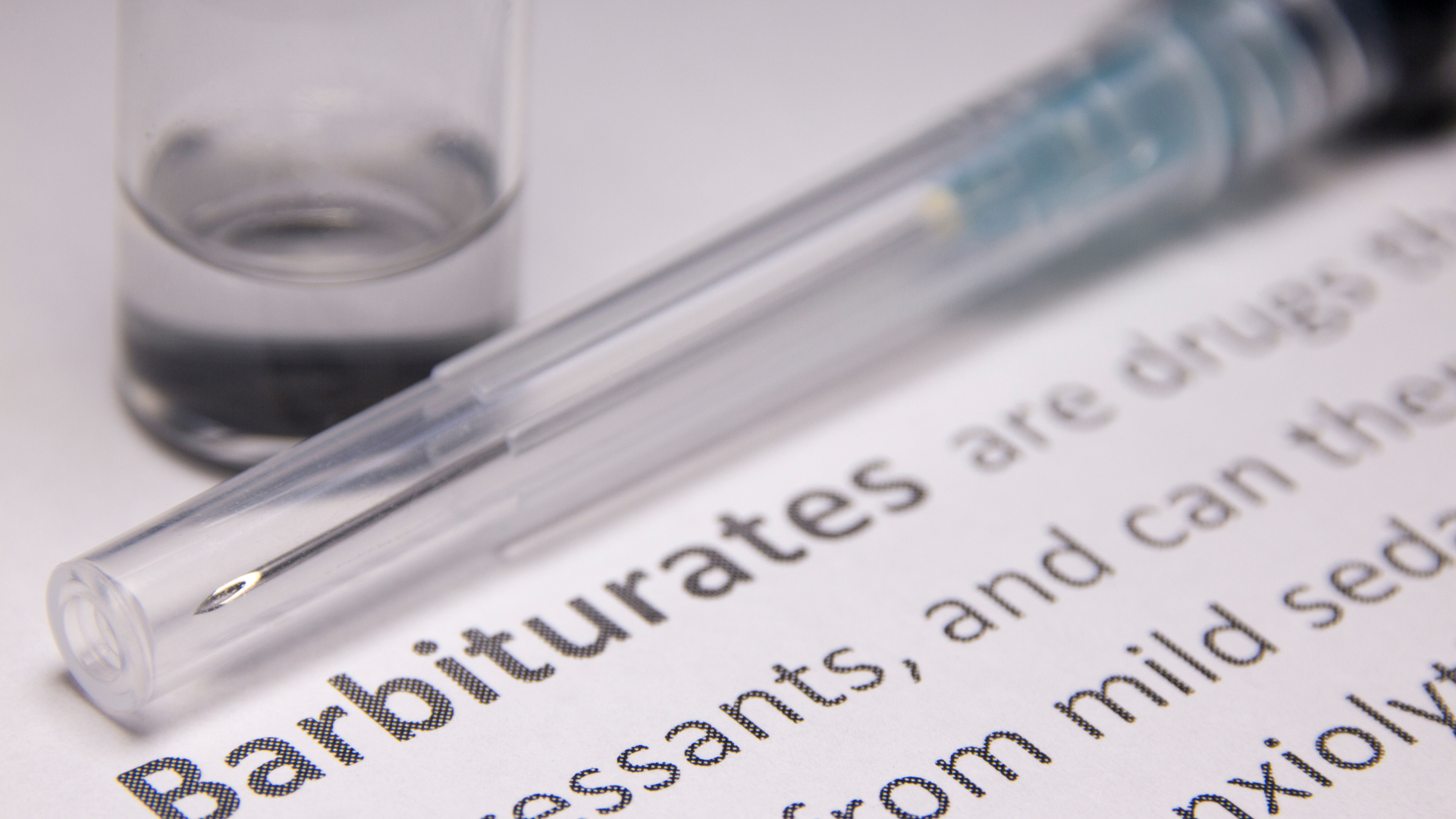
    Even though they can be prescribed, they are not always, which is why they can be sold on the streets with other illegal drugs and be highly addictive to those who use them.

    They are a class of drugs also called “downers” which can calm people down who have had stimulant drugs such as cocaine or methamphetamines.

    Those who are trying to withdraw from these drugs will have the same symptoms as those who are going through alcohol withdrawal which can be quite dangerous without proper supervision.

    Heroin

    This is a type of opiate drug made from morphine.

    Heroin addiction is easily achieved when taking this drug as it provides an intense high to the opioid receptors which makes people crave it again and again.

    People become physically dependent because the natural supply of dopamine gets depleted each time it is used, so people need to keep taking it consistently for them to feel these effects.

    The powder is either white or brown and comes with another substance called black tar.

    This is a serious drug to be addicted to and America is currently dealing with a heroin epidemic similar to their addiction to opioid drugs such as painkillers.

    Alcohol

    It may not technically be a drug, but it is highly addictive with millions of adults having an alcohol use disorder.

    It is a legal substance and easy for people to get their hands on. Despite the age limits, it is not hard for young people to procure any type of alcohol.

    It releases dopamine into the brain and helps people decrease their social anxiety so they feel relaxed when they are in social situations.

    This can make people crave it more so they can get that relaxed feeling along with a high so they can get that rush of endorphins.

    Detoxing from alcohol addiction can be very intense and it should be handled by professionals who can help them get clean safely.

    Crystal Meth

    This is a man-made drug and is incredibly harmful to those who take it.

    Any type of meth is a stimulant, however, this particular one is the strongest and most dangerous to the body.

    It can be used in a variety of ways, whether people want to snort it, inject it, or smoke it, there are multiple uses.

    It brings euphoria to the body and produces an intense high which makes people crave that feeling over and over.

    However, if too much is taken then it can produce aggressive or violent behavior as well as psychosis.

    Methadone

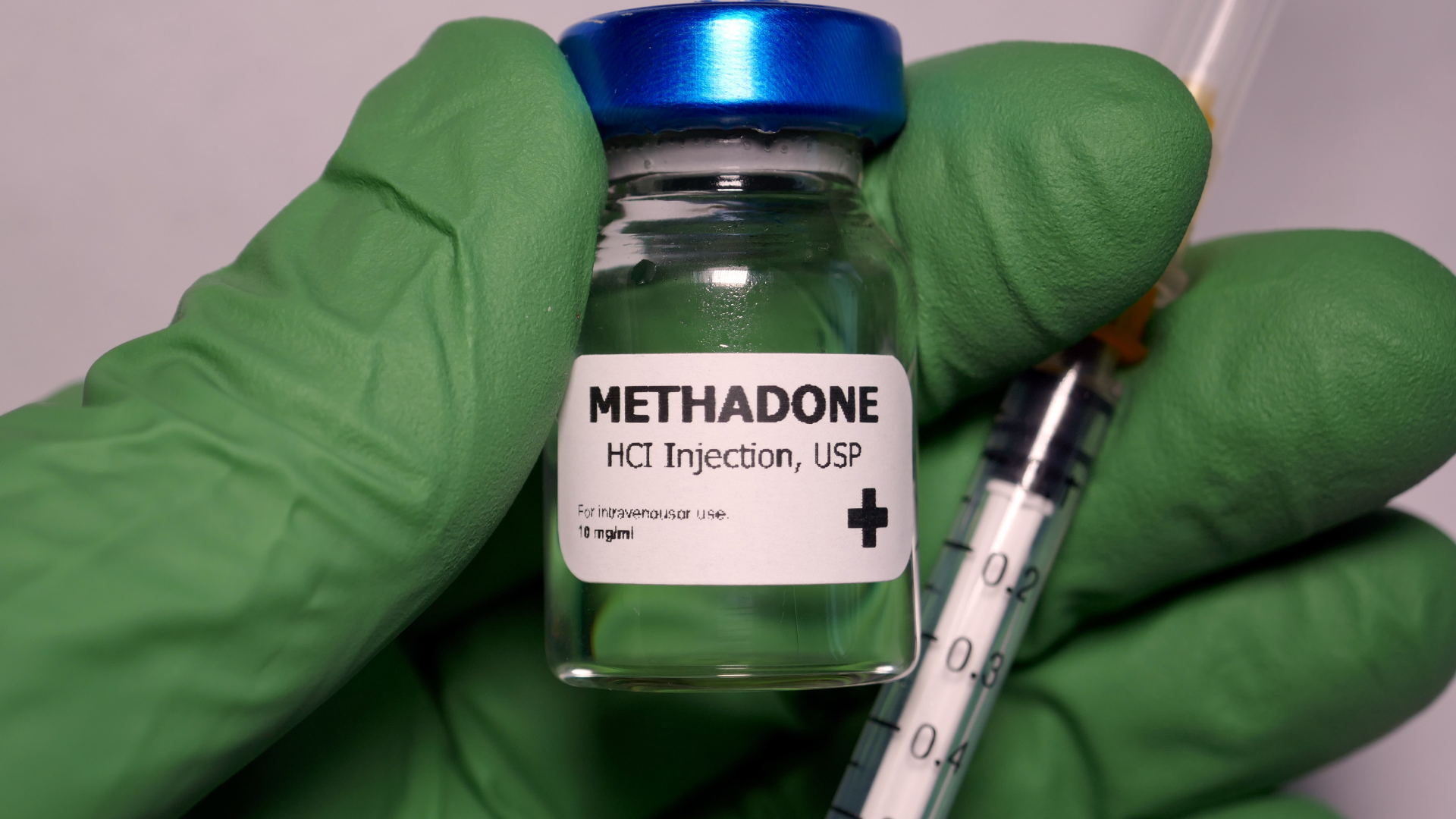
    People with heroin addiction will be given methadone to help them get off heroin, however, despite the fact that this is supposed to help, it can still be highly addictive when used alone.

    Patients who are given this as a form of treatment will need to be very closely monitored by medical professionals to ensure they are using it correctly and at the right dose.

    There are other drugs that can be used instead of methadone to help heroin users, and they have fewer concerns, but the treatment depends on the individual and what the doctor will think is best for their recovery.

    Benzodiazepines

    These are prescription drugs that are given to patients who are going through feelings such as anxiety.

    Xanax is one of the most widely known types of benzodiazepine. They have replaced barbiturates mostly but still have the same addictive effects.

    People will not always use them in the way they are intended and will get addicted to the way that they can make them feel, so they will be sold to people if they are unable to get a prescription for them.

    Getting Help

    If you or someone you know uses addictive drugs and/or has an alcohol abuse problem, it is important to reach out and get the right help.

    There are many addiction hotlines that you can call as well as websites with all the right information for you to access if you need it.

    Moreover, you can also find a center for Substance Abuse treatment in New Jersey (or your local area) that specializes in helping individuals overcome addiction. This center can provide the necessary support to aid you or your loved ones in breaking free from addiction.

    Remember, you are not alone, and the drug and alcohol abuse you are dealing with can be helped by the right professionals.

    Conclusion

    So, what is the most addictive drug? Well, unfortunately, there is no one drug that is the most addictive, and across the board, there are many out there that can cause people to get addicted and develop serious issues.

    It is never easy to get off any type of drug or substance that evokes feel-good chemicals, people want to chase that as much as possible, and with increasing problems in the world, people will turn to things that make them feel a sense of happiness.

    If you are someone who is going through this now, then know that there is help out there for you and you are not alone in your journey to recovery.

    Take care of yourself and know that you do matter and your life matters, so get the right help to set you on a better path.

  • How Chiropractors Help Patients

    How Chiropractors Help Patients

    A chiropractor will be the person you visit if you are looking to have your joints and bones manipulated for medical reasons. This will help patients or clients control their pain and prevent injuries from re-occurring.

    If you have ever been required to get in touch with someone like this Singapore chiropractor, you will know just how much of a vital difference they can make to your life. In most cases, this will mean a quicker recovery than otherwise might have been the case.

    This article will consider the types of patients that chiropractors will help so that you can better understand their work. If you are suffering, then you will be pleased to know that there is help out there for certain injuries.

    So, let’s learn more.

    Types of Treatments Chiropractors Are Involved In

    Patients with various conditions or injuries might choose to have adjustments made by a chiropractor. Chiropractors are healthcare professionals who focus on diagnosing and treating disorders that typically affect your muscles, bones, and joints. They can effectively manipulate the spine to offer respite to those in need.

    People who are affected by arthritis, have frequent headaches, joint pain and dysfunction, neck pain, lower back pain, sciatica, adult scoliosis, and stiff or aching muscles, and those who are still healing after an accident can seek help from these professionals.

    There is certainly plenty of work for the chiropractor and patients are grateful for the kind of relief they offer in terms of various conditions or injuries.

    Injuries can occur at work or in leisure and there are treatments aimed at getting people fit again as soon as possible. It is no fun suffering in agony when a chiropractor could be your short and long-term solution.

    The lives of many people have been improved because of chiropractors. While you may experience some discomfort during treatment, there will be long-term benefits to be had from this. So, don’t be afraid to reach out for help if you need it.

    Different Techniques Used by Chiropractors

    There are seven main chiropractic adjustments to mention. These include:

    • Flexion Distraction
    • Spinal Decompression
    • Spinal Manipulation
    • The Activator Method
    • The Diversified Technique
    • The Gonstead Adjustment
    • The Thompson Drop-Table Technique

    These are all techniques most chiropractors should know about and it will depend on what they are trying to treat with what proves the most effective. It is good to have these options because then it makes treatments much more flexible and suitable for patients looking for a correction in terms of bone or joint problems.

    A skilled chiropractor in penrith (or elsewhere) is a useful person to know; when you need an issue with your bones or joints corrected, you should only involve an experienced professional. Having the necessary training when it comes to the body is all part of knowing how to successfully diagnose and treat someone in need. Never assume that you are different from everyone else and the treatment will not work for you because invariably it can.

    The Three Ts of Chiropractic Treatments

    The three Ts are Trauma, Toxins, and Thoughts.

    Trauma relates to physical injuries that involve misalignment of the spine. Actions capable of this might be sports injuries, car accidents, falls, pregnancy, or forceful coughing. As such, Pain relief through chiropractic care might be a possible solution to alleviate any physical injuries that trouble the body.

    Toxins that you could come into contact with might include cleaning agents, air pollution, or processed foods. They can create imbalances in your body.

    Thoughts include the stress that you may be experiencing in your professional or personal life, which can cause subluxation in the spine. Many people feel anxiety and it can be a chiropractor that ends up correcting this.

    Breaking down these related areas helps identify the specific cause of a patient’s problem. For those seeking guidance, searching for chiropractors nearby on the internet can be an effective way to find professionals who can assess individual issues and provide targeted care.

    Conclusion

    So, as you can see, there are many ways that chiropractors can help the patient in their recovery from various injuries or conditions.

    If you study the above, then it can give you an idea as to whether you might be able to be helped by a practicing chiropractor.