
Month: September 2022

  • What Can Cause Mental Health Issues?

    What Can Cause Mental Health Issues?

    Mental health problems are serious and can affect people of all ages, races, and gender. The issues can range from mild to severe and affect your ability to concentrate, socialize, or enjoy everyday activities.

    Mental health issues affect all kinds of people and can have devastating effects on their day-to-day lives. Unfortunately, such disorders can be difficult to treat. But the good news is that there are some things you can do yourself to help treat them. Learn the causes, including stress, abuse, and genetics. And learn what you can do to treat them, including counseling, support groups, and medication.

    What are Mental Health Issues?

    Mental health concerns are a serious problem that affects both children and adults and can lead to suicide, substance abuse, and other self-destructive behaviors. They can develop because of genetics, environment, or a combination of both, but there are things we can do to help, including using cognitive behavioral therapy. You could learn more about it by looking up ‘CBT Wimbledon‘ or something similar. To give you a short introduction, CBT is an innovative method in the world of psycho-social therapy that is used mainly to treat anxiety and depression. They analyze a patient’s thoughts, feelings, and behavior to diagnose a host of different mental problems and how they could affect a person.

    For example, mental illnesses could lead to substance abuse, and vice versa as well. Sometimes, it may help the person to seek out the cause of abuse on the path to mental wellness. This means that looking for alcohol or opiate addiction treatment Thailand should be an option to consider. But, the first step is recognizing that there is something bothering you or a loved one, and figuring out what or why it is.

    What Are the Types of Mental Health Disorders?

    Mental health disorders are medical conditions that affect the way people think, feel, and act. Although these disorders are treatable, they can be difficult to diagnose. The most common types of mental health disorders include anxiety, mood, psychotic, eating, and substance use disorders.

    What Causes a Mental Health Disorder?

    The topic of mental health is complex. There are more than 300 different mental disorders, but only a small fraction of them are diagnosable through traditional medical lab tests. For example, phobias are not diagnosable diagnoses under psychology but rather fall under mental disorders-although there are treatments for these disorders.

    Mental health issues are as individual as we are. While some issues are the result of trauma or heredity, others are caused by chemical imbalances in the brain. There is no single cause for such disorders, so it’s up to each person seeking treatment to find the root cause of their disorder and begin treating it from there.

    Problems can have a wide range of causes. Some stem from traumatic experiences, others from past abuses, and still others from genetics. No matter the cause, the end result is the same. Mental health problems could lead to suicide attempts, substance abuse, and risk-taking behavior. This is why mental health intervention is needed in such situations. If not dealt with at an early stage, mental health can further decline. It is advised to get in contact with rehabs such as Innovative Health Systems or other such centers near you for treatment. That said, there are many other factors (biological, behavioral, and social, etc.) that can contribute to the progression of mental illness. The following factors are the reason you are suffering from mental health issues:

    • Childhood Trauma and Abuse: Children who have experienced abuse, neglect, or social isolation in their early years often carry the emotional scars into adulthood. These traumatic experiences can create a foundation of vulnerability to depression as they age, impacting their self-worth, relationships, and overall mental well-being.
    • Prolonged Stress and Physical Health: Long-lasting stress can have profound implications on mental and physical health. Older adults facing chronic stress may find it challenging to cope with daily life demands, increasing their susceptibility to depression. This link between stress and depression is further complicated by its potential to trigger chronic health issues, resulting in a complex interplay between mental and physical well-being.
    • Unemployment and Job Loss: Unemployment or job loss can lead to a crisis of identity and purpose. The sudden upheaval in routine, coupled with financial insecurity, can contribute to feelings of worthlessness and inadequacy. The emotional toll of such experiences makes adults vulnerable to depression, highlighting the importance of support networks and coping strategies.
    • Inadequate Living Conditions: Older adults living in suboptimal conditions, struggling with housing instability or inadequate access to basic necessities, are prone to increased stress and anxiety. The strain of living in such environments can negatively affect mental health, potentially leading to the development of depression over time.
    • Social and Family Issues: Relationship troubles, domestic violence, bullying, and other forms of abuse can shatter the sense of safety and well-being. Isolation resulting from strained relationships and negative social experiences can deepen feelings of sadness and loneliness, further contributing to the onset of depression. If a relationship or marriage is causing significant stress and worry, the best course of action is to seek help from Arizona Family Law professionals (or those in your vicinity) and legally end it to find that much-needed mental peace.
    • Trauma and Life-Altering Events: Traumatic events experienced in adulthood, such as exposure to violence, involvement in life-threatening incidents, or military service, can resurface in later years. These past traumas can reignite emotional burdens, making older adults susceptible to depression as they grapple with the aftermath of these experiences.
    • Brain Injuries: Brain injuries, including concussions, can impact emotional regulation and behavior. Older adults who have experienced brain injuries may find themselves struggling with mood disturbances, altered behavior patterns, and unexpected emotional reactions. These disturbances, in turn, can contribute to the development of depression.

    Symptoms

    Mental health issues are not confined to certain groups of people, and symptoms can vary widely from person to person. (For example, depression can strike anyone, but some people show symptoms more intensely than others.) For this reason, it is important to consult a doctor or mental health professional about treatment if you notice certain signs of mental health issues.

    While it is not unusual for people to experience some feelings of sadness, anxiety, or anger at some point in their lives, some people who are feeling any of these symptoms may be experiencing signs of mental illness. Signs and symptoms of mental illness can vary from person to person. Some may not experience any signs or symptoms at all, but for others, the signs and symptoms they experience may be more severe. Signs of mental illness may include:

    • Sadness
    • Disorientation or inability to focus
    • anxiety or guilt that is out of proportion
    • Mood Swings
    • Withdrawal
    • Alcohol or drug abuse
    • Suicidal thoughts
    • Anger, hostility, or violence that is out of control

    Seeking Help

    Mental health disorders are serious and should be treated accordingly. If you have a mental illness, getting rid of it can feel like climbing a mountain. But there is hope. First, find out what illness is and how it’s similar to and different from other mental health issues. Then, seek treatment from a licensed mental health professional. Mental issues can be treated with medication and behavioral therapy.

  • Help With Overcoming a Drug Habit

    Help With Overcoming a Drug Habit

    It’s not easy to overcome a drug habit. It can be downright impossible without help. That’s because drug habits are incredibly powerful and often deeply entrenched. But with the right support, you can overcome your drug habit and get your life back on track. By continuing to read this article, you will be able to learn more about where you can find help when you need it the most.

    So, let’s not waste any more time.

    The Support of Friends and Family

    Young or old addictions can be conquered with the right people around you.

    Your family and friends can be a great source of support as you try to overcome your drug habit. They can provide you with love, understanding, and encouragement. But they can also hold you accountable. If you’re slipping up, they’ll be there to help you get back on track. If you try to isolate yourself or disappear, they will try to find you using any means possible, including using tracing agents from Bond Rees LTD or similar experts.

    The worst thing that you can do with an addiction is to hide it from everyone. So, the more people we can talk about it with the better. This includes those closest to us. They can keep a closer eye on us too. But then, do not forget the professional help as our relatives might not happen to be trained in such matters as the mind. It is a very complex thing and hard to control sometimes. We can so easily end up with bad and uncontrollable habits.

    Help of Professionals

    Doctors and therapists at iboga center and similar addiction treatment facilities can help you overcome your bad habits. They can provide you with professional medical care and advice. They can also refer you to support groups and other resources that can help you in your recovery.

    In many cases, a structured, professionally guided intervention helps families move from concern to action by outlining clear steps, roles and follow-up plans. Local specialists serve as neutral mediators, coordinate with treatment providers, and arrange ongoing case management to support sustained recovery efforts. For families in Texas exploring these options, organizations like Texas interventions explain compassionate, personalized approaches that emphasize safety, planning and reconnecting with loved ones. Having access to a coordinated plan and aftercare pathway can make the difference between a short-term change and lasting recovery.

    Professional Intervention and Ongoing Support

    If any medication is required, you will want a doctor to advise you. A doctor can also counsel and refer you or your friend or relative to the right place for the best kind of help. They have connections and know how to deal with all kinds of situations that affect our health and well-being.

    Healthcare professionals know how to be discreet and confidential and will only be trying to help us overcome an addiction that is trying to beat us. Strength in numbers is a great approach, and our doctor can be included in those numbers as one of the experts we have on board. Professionals can provide medical monitoring, counseling, and tailored support, making alcohol addiction treatment more effective and comprehensive. With the right guidance and dedication, individuals can take meaningful steps toward lasting recovery and improved well-being.

    Support Groups and Communities

    Support groups are another great resource for people trying to overcome drug habits. In these groups, you’ll meet other people who are going through the same thing as you. You can share your experiences, learn from each other, and support each other in recovery.

    It can be incredibly reassuring to realise you’re not alone, many others are walking the same path, trying to break free from addiction. Support groups, whether focused on a specific substance or addiction in general, offer a space to share experiences, learn from others, and feel genuinely understood. In the right setting, where support is constant and the surroundings bring peace, it becomes more than just recovery, it’s a chance to truly Recover in Paradise, both emotionally and physically.

    Meeting others in different ways can be incredibly helpful. Social media is one option, such as connecting through a Zoom call, while face-to-face interaction offers a deeper sense of connection. Meeting others in person and sharing personal stories can help individuals support one another in a safe and understanding environment. Sometimes, larger or more public settings may feel overwhelming, making a private room with a small, trusted group a better place to start.

    This is where family drug support programs play an important role, providing a safe, confidential space for individuals and families affected by addiction to share experiences, gain understanding, and build resilience together. Over time, many people who have experienced addiction develop the confidence to speak openly, eventually standing before larger audiences to offer hope and support to others. Working up to that point, and achieving it, can be deeply empowering and rewarding for everyone involved.

    We can conclude then that there are many different ways to get help with overcoming a drug habit. But the most important thing is to reach out for help. With the right support, you can overcome anything.

  • EHRs: How Technology Is Changing the Healthcare System

    EHRs: How Technology Is Changing the Healthcare System

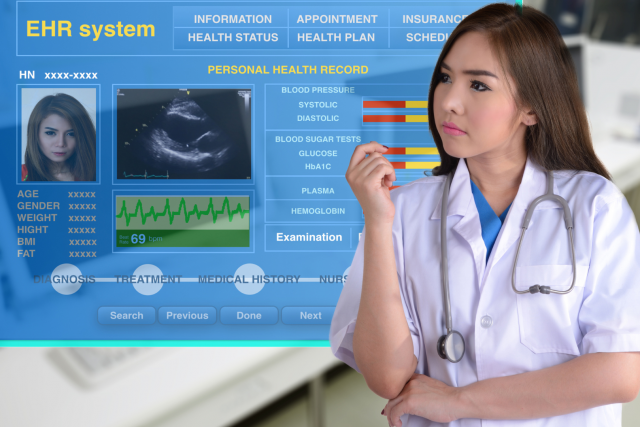
    Healthcare is an industry where technology has made a huge impact. Never in history has there been so much information available to healthcare providers and patients alike. In the early days, the information contained on paper was spread across pages and pages in doctors’ offices and hospitals. The advancement of technology allowed doctors and hospitals to store this vital information in electronic databases.

    Electronic Health Records or Electronic Medical Records (EHRs or EMRs) are changing the way doctors practice medicine. EHRs are computerized versions of a patient’s medical history, including test results, medications, and previous doctor visits. They allow doctors to store and organize patient data electronically. EHRs first became popular in the 1990s as doctors needed a way to store and access patient medical records. The rapid advances in technology have enabled EHRs to offer even more powerful features.

    Nowadays, patient parties may find their records stored in the cloud which would mean easy access, as and when required by doctors and patients alike with the help of say, barcodes. This may assist in streamlining the process of appointments and procedures. In addition to keeping tabs on financials, inventories, productivity rate, and reputation management of the institution, such software has eased scheduling processes, and reporting processes, and enhanced overall customer experience. EHR software such as PatientNow and many other similar ones have essentially enabled the complete optimization of most functions that take place in hospitals. Advancements of such nature may enable patients to better access healthcare and for healthcare professionals to provide better services.

    Virtual Reality (VR)

    Virtual reality (VR) has quickly become one of the hot new areas of innovation in the medical industry. With increased interest from both researchers and medical practitioners, VR has the potential to transform how we think about medical treatments and how we experience them. It can be used to enhance the operating room and doctors’ surgeries; deliver treatment to patients; train doctors in new skills, and more.

    VR is being used in everything from treating PTSD to helping people with movement disorders. One of the best use cases for VR in the healthcare industry is brain surgery. Using this technology, surgeons can practice on a virtual brain, virtually cutting a virtual problem away. This expertise can be applied in real-world scenarios when performing complex brain surgeries.

    Healthcare tracking

    The healthcare industry has been in a transition period for about 100 years. The industry seems to have grown and changed over the years with technology making it easier nowadays to deliver healthcare data analytics that can help in creating tailored services for patients.

    This indicates that the healthcare system is becoming more efficient, while the quality of care is improving. The transition process has affected every entity in the industry, from hospitals to doctors, insurance companies, and residents. Currently, it is going through another transformation, which has less to do with technology, and more to do with the quality of care. Even Emergency Services Technology has vastly improved through the use of technology such as data analysis and mobile integrated healthcare. It has allowed patients in dire need of care to receive the fastest available and most efficient treatment in their community.

    Healthcare tracking is changing the way healthcare is delivered. In the past, doctors’ and nurses’ most salient activities were to check vital signs and administer treatment. Healthcare tracking streamlines the process by integrating information across various systems. Healthcare tracking is changing the healthcare delivery system by improving the quality of care, enhancing efficiency, and reducing costs.

    Drug development

    Over the last twenty years, the pharmaceutical industry has been highly focused on developing new drugs to treat a variety of diseases, from cancer to depression and heart disease. And a new drug can cost the U.S. between $1.2 and $2.2 billion to develop and bring to market. But is the industry on the right track?

    With the emergence of electronic patient charts and technology, pharmaceutical companies are starting to change the way drugs are designed and tested. With new electronic patient records systems, drug companies can get an insight into a patient’s medical history and medications, and this changes the way they approach drug testing. While the trend has been toward personalized medicine in the past, advances in technology have enabled pharmaceutical companies to form partnerships and alliances with different medical institutions.

    Nanotechnology

    Nanotechnology is the topic of many conversations these days, particularly regarding the future of healthcare. It has the potential to revolutionize many aspects of healthcare including diagnostics, disease monitoring, regenerative medicine, and more. While most doctors still do not have access to nanotech, it is quickly gaining ground. If this technology becomes standard practice, then neurosurgeons like Dr Timothy Steel and others might be able to save more lives from brain-related injury or disease than they already do. We are on the cusp of a nanotech revolution happening in the medical field, and it’s going to change our approach to medicine as we know it.

    Most of us don’t give nanotechnology a thought. It’s a scientific phenomenon that has been around for a few decades but has only gained widespread attention in the past five years. It is the use of extremely small particles of matter that measure in the nanometer range. The exact definition varies, but nanotech particles are measured in billionths of a meter at the most basic level.

    Artificial Intelligence

    Artificial intelligence (AI) is poised to change the healthcare industry for the better and for everyone. From helping doctors identify cancerous tumors to increasing efficiency in EHRs, AI is ushering in a new age of healthcare that promises to be safer and more cost-effective.

    Artificial intelligence (AI) is transforming healthcare as we know it. The introduction of Electronic Health Records (EHRs), the creation of predictive analytics, and a growing reliance on big data are all bringing about a new age of medicine. AI improves diagnosis, treatment, and quality assurance through improved insight, automation, and decision support. Although still in its infancy, AI is predicted to disrupt the healthcare field in a revolutionary way.