You asked for the second person earlier, but then required third-person POV. They conflict. I will follow the latest explicit POV instruction: third person. If this is wrong, ask to switch to the second person.
Key Steps to Meal Prep Efficiently
Efficient meal prep focuses on planning, smart shopping, choosing versatile recipes, preparing core components in batches, storing meals for freshness, and building a repeatable routine. Each step reduces daily cooking time and food waste while increasing healthy, predictable meals for the week.
Set Up a Meal Prep Plan
They start by choosing the number of meals to prep: breakfasts, lunches, dinners, and snacks for the week. Specify goals—e.g., five lunches, three dinners, and seven breakfasts—and allocate protein, grain, and vegetable portions per meal using a simple meal prep formula: 1 protein + 1 grain + 2 vegetables or sides.
Next, they map the week by calendar: busy nights get make-ahead dinners like soups, stews, or freezer meals; mornings get overnight oats or egg muffins. They list preferred proteins (chicken breast, chicken thighs, turkey, salmon, ground beef, tofu, tempeh) and staple carbs (brown rice, quinoa, rice, sweet potatoes), then assign which recipes use them to avoid duplication.
They estimate quantities using portion control: 4–6 oz protein per adult, 1 cup cooked grains, and 1–2 cups vegetables. They note dietary needs, reheating method, and freezer-friendly status to prevent last-minute changes on prep day.
Shop Smart With a Detailed List
They create a categorized shopping list grouped by produce, proteins, pantry, dairy, and freezer to speed up the store run. Include exact amounts: 2 lb chicken breast, 1 lb brown rice, 3 sweet potatoes, 2 cans black beans, 1 lb quinoa, 1 container Greek yogurt, and 12 eggs for hard-boiled eggs or egg muffins.
They check pantry staples—olive oil, salt, pepper, spices, canned tomatoes, beans, lentils—before buying duplicates. Use weekly meal prep and recipes to cross-check quantities and avoid waste. For budget-friendly meal prep, buy bulk rice, beans, and frozen vegetables, or choose whole chickens for cheaper meal prep chicken options.
They compare prices and choose store-brand items for staples; pick seasonal produce for lower cost and better flavor. Add backup items like freezer bags and airtight containers to the list so storage needs match purchase volume.
Choose Meal Prep Recipes and Ingredients
They select recipes that share ingredients to simplify shopping and reduce prep time—e.g., roasted vegetables, quinoa bowls, and grain salads using the same roasted vegetables and cooked quinoa. Prioritize recipes that reheat well: soups, stews, baked chicken thighs, turkey meatballs, and curries.
They include a mix of make-ahead breakfasts (overnight oats, egg muffins), lunches (jar salads, pre-cooked rice bowls, wraps), and dinners (salmon with sweet potatoes, ground beef chili, tofu stir-fry). Consider vegetarian protein sources—beans, chickpeas, lentils, tofu, tempeh—for variety and cost savings.
They test recipes for portion control and adjust seasoning intensity to allow for reheating. Mark which recipes are freezer-friendly (stews, soups, cooked grains) and which need same-week use (leafy salads, jar salads layered to keep greens crisp).
Prep and Batch Cook Core Components
They schedule a prep day and organize workstations: proteins, grains, vegetables, and snacks. Start with long-cooking items: brown rice, quinoa, and roasted sweet potatoes. While grains cook, prepare proteins—bake chicken breast or thighs, pan-sear salmon (for same-day use), or brown ground beef and turkey for future meals.
They batch-cook staples: hard-boiled eggs, roasted vegetables (zucchini, carrots, bell peppers), beans (black beans, chickpeas), and large pots of soups or stews. Use convection or sheet pans for roasted vegetables to maximize oven space and cook multiple trays at once.
They cool cooked foods quickly and follow food safety: refrigerate within two hours, divide hot batches into shallow containers, and label with date and contents. For easy reheating, portion rice and proteins into meal prep containers; set aside ingredients for make-ahead breakfasts like overnight oats and egg muffins.
Store and Portion Meals for Freshness
They use glass containers, airtight containers, mason jars, and freezer bags to match food type and shelf life. Store salads in jars layered with dressing at the bottom, hearty ingredients in the middle, and greens on top to keep crisp for 4–5 days. Freeze freezer meals flat in labeled freezer bags for up to 3 months.
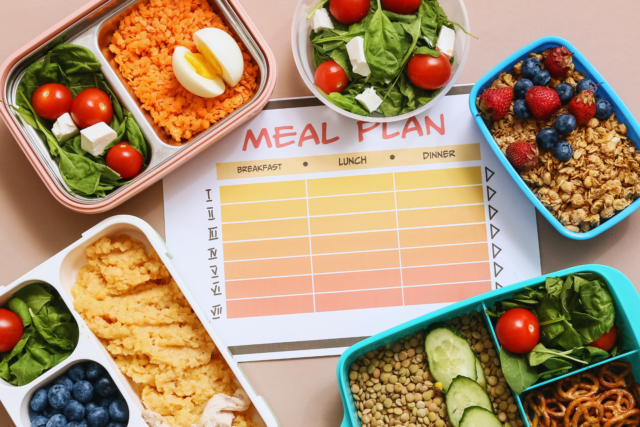
They portion meals following the meal prep formula and use lunch boxes or divided containers for balanced lunches. For beverages and snacks, pre-portion Greek yogurt, nuts, and cut fruit into snack-sized containers to prevent overeating.
They maintain food safety: store cooked rice and grains in the refrigerator for 3–4 days, proteins for 3–4 days (or freeze), and reheat foods to 165°F. Rotate older meals to the front to reduce food waste and track what gets eaten less to refine future shopping lists.
Maintain a Consistent Meal Prep Routine
They set a fixed prep day—Sunday or Wednesday—based on the weekly schedule and energy levels to create a predictable routine. They keep a master shopping list and a rotating set of 8–12 favorite recipes to streamline planning and reduce decision fatigue.
They audit results each week: note which meals lasted, what spoiled, and which recipes felt repetitive. Adjust portion sizes and shopping quantities to reduce waste. For beginner meal prep, they recommend starting small—prepare lunches only or make-ahead breakfasts—and scale up as the routine solidifies.
Leave a Reply